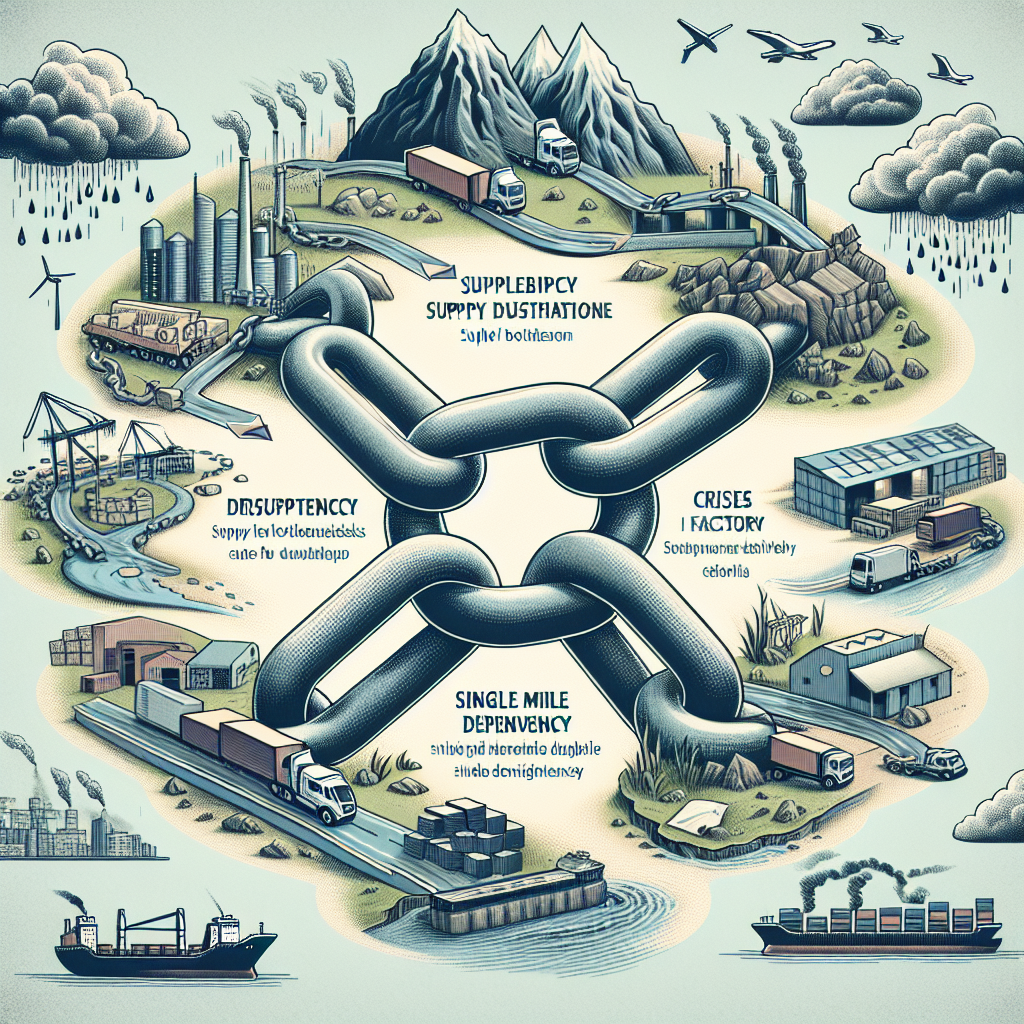









In today’s rapidly evolving business landscape, companies are rethinking how they source materials, manage suppliers, and build resilient supply chains. A modern procurement strategy isn’t just about finding the lowest price anymore—it’s about creating sustainable, flexible, and risk-aware systems that can weather any storm. Let’s explore the key trends shaping procurement today and how your organization can stay ahead of the curve.
What Makes a Modern Procurement Strategy?
A robust procurement strategy goes far beyond traditional purchasing. Today’s procurement leaders are strategic partners who contribute directly to business resilience and competitive advantage. They’re leveraging technology, diversifying supplier bases, and rethinking geographic sourcing decisions to build smarter, more adaptable supply chains.
The most successful organizations are those that view procurement as a strategic function rather than a cost center. This shift in perspective opens up opportunities for innovation, risk mitigation, and long-term value creation that extends throughout the entire organization.
Strategic Sourcing: The Foundation of Smart Procurement
Strategic sourcing is the systematic process of developing supply channels that deliver the best total value to your organization. Unlike traditional procurement, which often focuses on transaction-by-transaction purchasing, strategic sourcing takes a holistic, long-term view of supplier relationships and category management.
This approach involves analyzing spending patterns, understanding market dynamics, and building relationships with suppliers who align with your company’s values and objectives. By taking time to understand the full landscape of available suppliers and their capabilities, you can make informed decisions that benefit your organization for years to come.
Key Components of Strategic Sourcing
Successful strategic sourcing programs typically include comprehensive spend analysis, market research, supplier evaluation, and ongoing performance monitoring. These elements work together to ensure you’re not just getting good deals today, but building partnerships that will deliver value over time.
Modern strategic sourcing also incorporates sustainability considerations, ethical sourcing practices, and innovation potential into supplier selection criteria. This broader view helps companies build supply chains that are not only efficient but also responsible and forward-thinking.
The Critical Importance of Supplier Diversification
Recent global events have taught us a valuable lesson: putting all your eggs in one basket is risky business. Supplier diversification has become a cornerstone of modern procurement strategy, helping organizations build resilience against disruptions ranging from natural disasters to geopolitical tensions.
By working with multiple suppliers across different regions and capabilities, companies can maintain continuity even when one source experiences problems. This doesn’t mean you need dozens of suppliers for every category, but rather a thoughtful balance between consolidation for efficiency and diversification for security.
Building a Diversified Supplier Base
Effective supplier diversification starts with mapping your current supplier concentration and identifying potential vulnerabilities. Are you too dependent on a single geographic region? Do you have backup suppliers for critical components? These questions help you understand where diversification efforts will have the greatest impact.
Remember that diversification also includes considering suppliers of different sizes. While large suppliers offer scale and stability, smaller or mid-sized suppliers often provide greater flexibility, innovation, and personalized service that can be invaluable in certain situations.
Nearshoring vs Offshoring: Rethinking Geographic Strategy
The debate between nearshoring vs offshoring has intensified as companies reassess their global supply chain footprints. Offshoring, which involves sourcing from distant, typically lower-cost countries, has been the dominant model for decades. However, nearshoring—sourcing from nearby countries—is gaining significant traction.
Nearshoring offers several compelling advantages including shorter lead times, reduced transportation costs, easier communication across similar time zones, and lower geopolitical risk. For North American companies, this might mean sourcing from Mexico or Central America rather than Asia. European companies might look to Eastern Europe or North Africa.