




The Dawn of Intelligent Supply Chains
Supply chain management is experiencing a revolutionary transformation, and it’s not just about digitization anymore. We’re entering an era where AI in supply chain management goes beyond simple automation to create truly intelligent systems that can think, learn, and act independently. This is the promise of agentic AI in supply chain—autonomous systems that don’t just follow instructions but make decisions, adapt to changing conditions, and continuously optimize operations without constant human oversight.
If you’ve been following the rapid evolution of artificial intelligence, you’ve probably noticed how it’s reshaping everything from customer service to content creation. Now, that same transformative power is being unleashed on one of the most complex challenges in business: managing the intricate web of suppliers, inventory, logistics, and demand that keeps the modern economy running. Let’s explore how this technology is making supply chains smarter, faster, and more resilient than ever before.
Autonomous Procurement Agents: Your 24/7 Sourcing Team
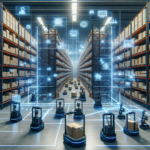
Imagine having a procurement specialist who never sleeps, constantly monitors thousands of suppliers across the globe, and can negotiate contracts in milliseconds. That’s exactly what autonomous procurement agents bring to the table. These AI-powered systems go far beyond traditional procurement software by actively making purchasing decisions based on real-time market conditions, supplier performance data, and predicted future needs.
These intelligent agents can analyze supplier reliability, compare pricing across multiple vendors, assess geopolitical risks, and even predict potential supply disruptions before they happen. They’re not replacing procurement professionals—they’re augmenting them by handling routine decisions and flagging complex situations that require human judgment. The result? Faster procurement cycles, better pricing, and significantly reduced risk of stockouts or overordering.
How Autonomous Agents Learn and Improve
What makes these procurement agents truly “agentic” is their ability to learn from outcomes. When a supplier delivers late or a particular sourcing strategy saves money, the system remembers and adjusts its decision-making accordingly. This continuous learning loop means your procurement process gets smarter with every transaction, building institutional knowledge that doesn’t walk out the door when employees change roles.
AI-Powered Demand Forecasting: Predicting the Unpredictable
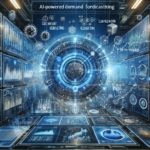
Demand forecasting has always been part art, part science. Traditional methods relied heavily on historical data and seasonal patterns, but they often struggled with sudden market shifts, emerging trends, or unexpected events. Enter AI-powered demand forecasting, which transforms this challenge by analyzing hundreds of variables simultaneously—from social media sentiment and weather patterns to economic indicators and competitor actions.
Modern forecasting systems powered by generative AI for logistics can simulate countless scenarios and predict demand with unprecedented accuracy. They can identify subtle patterns that human analysts might miss, like how a viral social media trend might spike demand for certain products or how a weather event in one region might affect purchasing behavior in another. This level of insight allows companies to position inventory more strategically and respond to market changes much faster.
Real-Time Adaptation to Market Dynamics
Perhaps most importantly, these AI systems don’t just make a forecast and call it done. They continuously monitor actual demand against predictions and adjust their models in real-time. This dynamic approach means you’re always working with the most current intelligence, reducing waste from overproduction and lost sales from understocking.
Supply Chain Digital Twins: Your Virtual Testing Ground
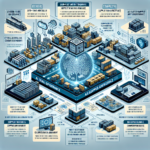
One of the most exciting developments in cognitive supply chain automation is the emergence of supply chain digital twins. These are virtual replicas of your entire supply chain—from raw material sources to end customers—that exist in the digital realm. Think of it as a sophisticated simulation where you can test changes, predict outcomes, and optimize operations without any real-world risk.
Want to know what would happen if you opened a new distribution center in Dallas? Or how a 20% increase in demand would affect your delivery times? Your digital twin can show you. These virtual models incorporate real-time data from your actual operations, creating a living, breathing replica that mirrors reality with remarkable accuracy.