






Supply chains have always been a balancing act — too much inventory and you’re bleeding cash, too little and you’re losing customers. But thanks to AI-powered demand forecasting, companies are finally getting ahead of the curve instead of constantly playing catch-up. At BestInSupplies.com, we’re seeing a real shift in how businesses approach supply chain analytics, and the results are hard to ignore.
What Is AI-Powered Demand Forecasting and Why Does It Matter?
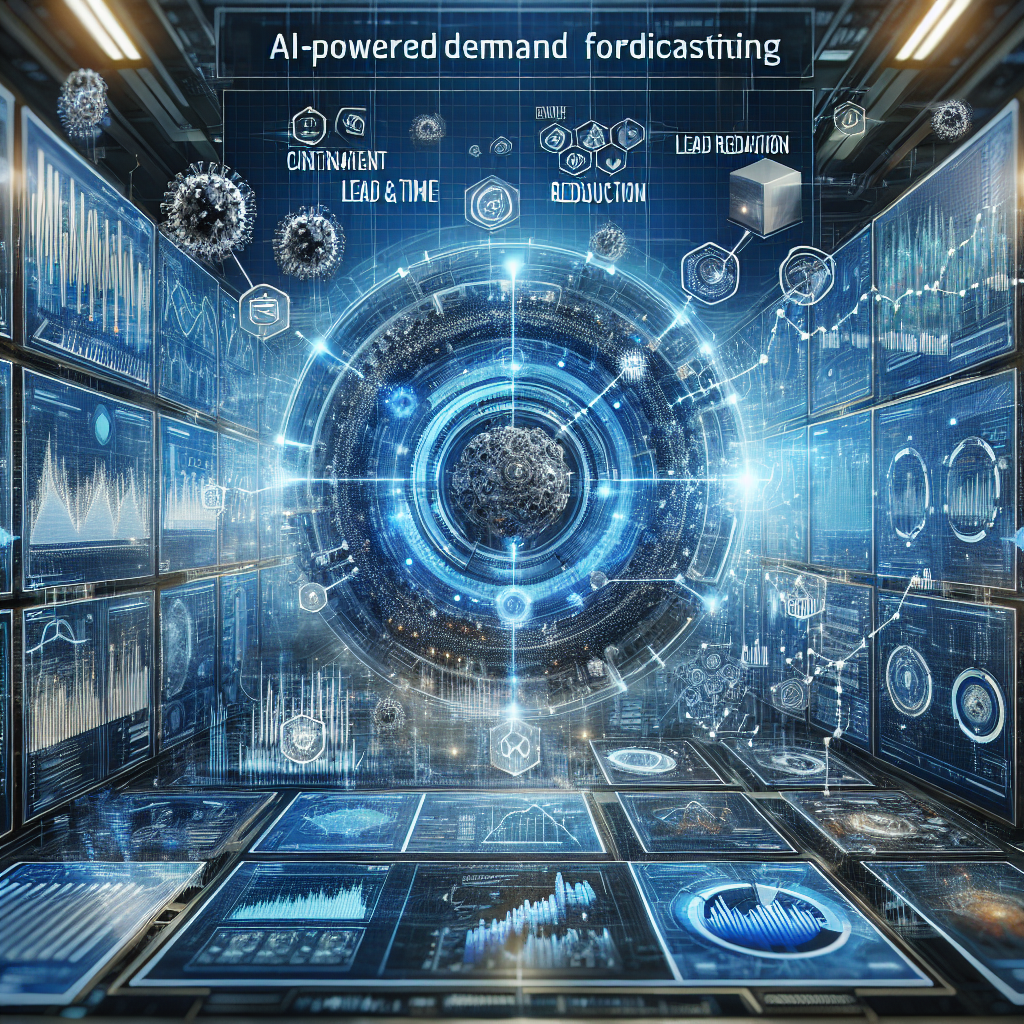
Demand forecasting has traditionally relied on historical sales data, spreadsheets, and a fair amount of gut instinct. While that approach worked well enough in stable markets, it struggles to keep pace with today’s fast-moving, unpredictable supply chains. AI-powered demand forecasting changes the game by pulling in real-time signals — think weather patterns, social media trends, economic indicators, and even geopolitical events — to generate predictions that are far more accurate and dynamic.
According to McKinsey, companies that adopt AI-driven forecasting can reduce forecasting errors by up to 50% and cut inventory costs by 20-30%. That’s not a marginal improvement — that’s a transformation. Retailers like Walmart and manufacturers like Procter & Gamble have already deployed AI forecasting models that continuously learn from new data, adjusting predictions on the fly rather than waiting for a monthly review cycle.
The bottom line is that better forecasts mean smarter purchasing decisions, fewer stockouts, and less wasted capital sitting in warehouses. It’s one of the most impactful investments a supply chain team can make right now.
● AI models incorporate real-time data signals far beyond historical sales figures
● Forecasting errors can drop by up to 50% with AI-driven approaches
● Leading companies like Walmart are already seeing measurable results
Continuous S&OP Planning: Moving Beyond the Monthly Meeting
Traditional Sales and Operations Planning (S&OP) has always been a structured but somewhat slow process — teams would gather once a month, review the previous period’s data, argue about numbers, and then produce a plan that was arguably already outdated by the time it was approved. Continuous S&OP planning flips this model on its head by making planning a living, always-on process rather than a calendar event.
With continuous S&OP, AI algorithms monitor demand signals, supply constraints, and capacity availability around the clock. When something changes — a supplier goes offline, a product goes viral, a competitor runs out of stock — the planning system responds in near real-time. Companies like Unilever have piloted continuous planning frameworks that reduced their planning cycle from four weeks down to just a few days, enabling much faster response to market shifts.
This approach integrates beautifully with AI-powered demand forecasting because both are built on the same foundation: live data, machine learning models, and automated alerts that keep human planners focused on decisions rather than data gathering. If you want to dig deeper into how this works in practice, check out our guide on supply chain planning strategies at BestInSupplies.com.
● Continuous S&OP replaces static monthly reviews with always-on, real-time planning
● Unilever reduced planning cycles from four weeks to just days using continuous frameworks
● Human planners can focus on decisions rather than chasing down data
How Supply Chain Analytics Drives Better Decision-Making
Turning Data Into Actionable Insights
Modern supply chain analytics goes well beyond dashboards and reports. Advanced analytics platforms now offer prescriptive recommendations — not just telling you what happened or what might happen, but actually suggesting what you should do about it. Tools like Gartner’s supply chain research hub document how companies are using analytics to move from reactive to proactive management.
For example, a consumer goods company facing raw material shortages can use supply chain analytics to model multiple “what-if” scenarios simultaneously — evaluating alternative suppliers, adjusted production schedules, and substitution strategies all at once. This kind of analysis used to take weeks; modern AI-driven platforms can produce scenario outputs in hours.
Connecting Analytics to Real Business Outcomes
The real power of supply chain analytics shows up in the numbers. Gartner reports that top-performing supply chains are 3x more likely to use advanced analytics compared to their peers. Companies leveraging these tools consistently report improvements in service levels, cash flow, and operational agility — outcomes that matter to both CFOs and customers.
At BestInSupplies.com, we believe that analytics isn’t just a technology investment — it’s a strategic capability that defines which companies lead their industries and which ones follow.
● Prescriptive analytics moves beyond reporting to recommend specific actions
● Scenario modeling that once took weeks can now be completed in hours
● Top supply chains are 3x more likely to use advanced analytics, per Gartner
Lead Time Reduction: A Critical Win From AI Integration
Lead time reduction is one of the most tangible benefits companies experience when they combine AI-powered forecasting with continuous planning. When you can predict demand more accurately, you don’t need to order as far in advance or maintain as much safety stock — both of which directly compress your effective lead times. This frees up working capital and makes your supply chain significantly more responsive.
A concrete example: Dell Technologies uses a build-to-order model supported by sophisticated demand forecasting and supplier integration. By accurately predicting component needs and sharing those forecasts with suppliers in real time, Dell has maintained some of the shortest lead times in the electronics industry for decades. This approach, documented by Harvard Business Review, became a benchmark for supply chain efficiency worldwide.
When lead time reduction is driven by better data and smarter planning rather than just pushing suppliers harder, it creates a healthier, more sustainable supply chain ecosystem. Everyone — manufacturers, suppliers, and customers — benefits from reduced uncertainty and more reliable delivery windows.
● Better demand forecasting reduces the need for excessive safety stock, compressing lead times
● Dell’s build-to-order model demonstrates how real-time forecasting sharing cuts lead times dramatically
● Sustainable lead time reduction improves relationships across the entire supply network
Key Takeaways
AI-powered demand forecasting and continuous S&OP planning aren’t just buzzwords — they’re reshaping how supply chains operate at a fundamental level. Companies that embrace these tools are seeing real, measurable improvements in costs, service levels, and agility. Here’s a quick summary of what we covered:
● AI-powered demand forecasting reduces errors by up to 50% and cuts inventory costs significantly
● Continuous S&OP planning replaces slow monthly cycles with always-on, adaptive planning
● Advanced supply chain analytics provides prescriptive insights, not just historical reporting
● Lead time reduction is a natural byproduct of smarter, data-driven forecasting and planning
● Companies that invest in these capabilities consistently outperform their peers in service and efficiency
Want to keep exploring how technology is reshaping supply chain management? Head over to BestInSupplies.com for more in-depth guides, product reviews, and expert insights on everything from procurement strategies to warehouse optimization. There’s a lot more to discover, and we’d love to help you find the right solutions for your operation.