








Supply chain disruption has gone from a behind-the-scenes operational headache to front-page news — and for good reason. Businesses of every size have felt the sting of delayed shipments, raw material shortages, and supplier failures that cascaded into lost revenue and frustrated customers. The good news? With the right mindset and a few smart strategies, you can build supply chain resilience that keeps your business moving even when the unexpected hits.
Understanding Supply Chain Vulnerability: Why Businesses Get Caught Off Guard
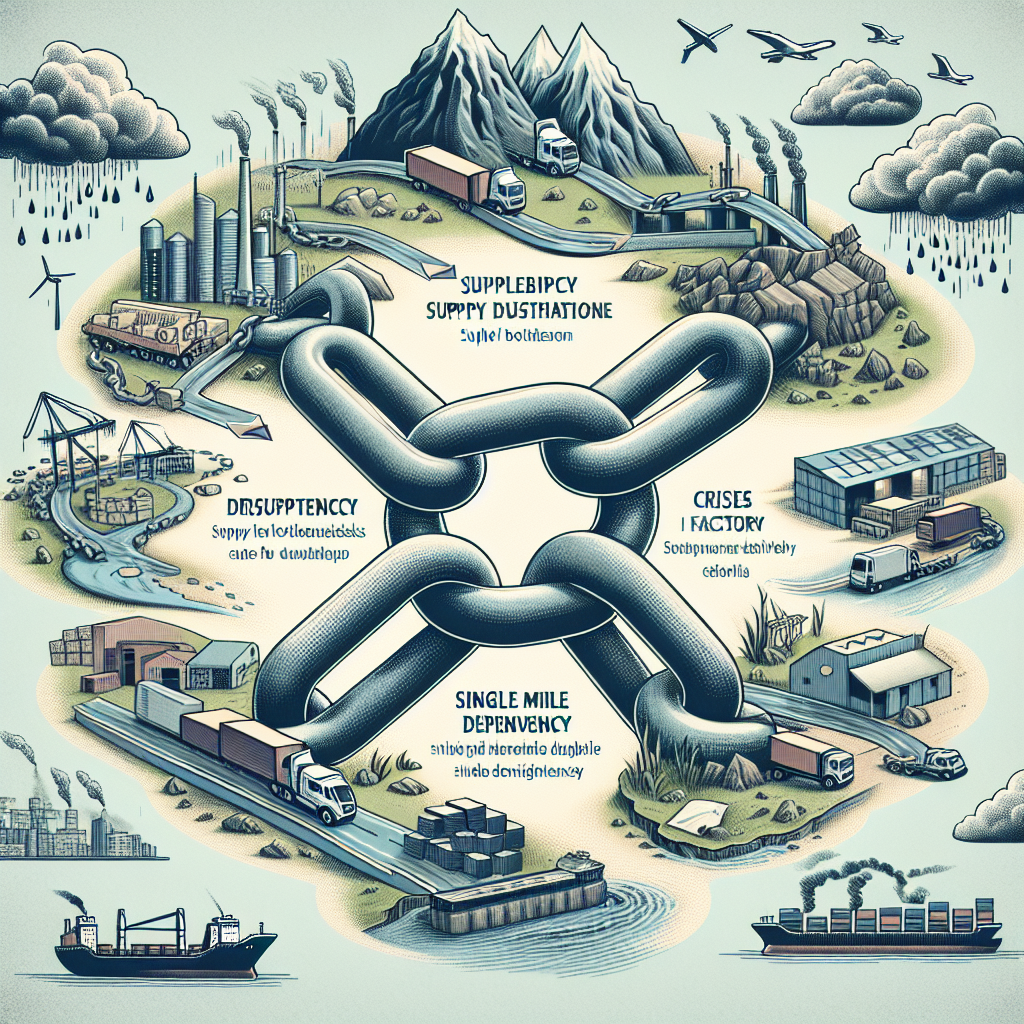
Most companies don’t realize how exposed they are until a supply chain shock knocks them sideways. Supply chain fragility often builds quietly — through years of cost-cutting, lean inventory practices, and over-reliance on a handful of suppliers.
Single source dependency is one of the most common — and dangerous — forms of supply chain vulnerability. When you rely on just one supplier for a critical component or material, you have zero buffer if that supplier experiences a factory shutdown, a financial crisis, or a natural disaster. The Harvard Business Review has documented how companies with diversified supplier bases consistently outperform single-source-dependent competitors during periods of disruption.
Supply chain risk management starts with an honest audit of your current network. You need to identify where the single points of failure are before a crisis exposes them for you.
● Single source dependency dramatically increases supply chain fragility
● Most vulnerabilities are hidden inside everyday cost-cutting decisions
● A proactive risk audit is the first step toward genuine resilience
The Most Common Causes of Supply Chain Disruption
Raw Material Shortage and Supplier Failure
Raw material shortage has proven to be one of the most disruptive forces in modern commerce. The global semiconductor shortage, for example, halted automobile production lines worldwide, costing the automotive industry an estimated hundreds of billions of dollars in lost production, according to McKinsey. When a key input disappears from the market, the ripple effects touch industries far removed from the original shortage.
Supplier failure is another major trigger for supply chain crisis situations. Whether a supplier goes bankrupt, loses key staff, or simply can’t keep up with demand, the fallout lands squarely on your doorstep. Building relationships with backup suppliers — even if you never use them — is a form of insurance that pays off handsomely when things go wrong.
● Raw material shortages can cascade across multiple unrelated industries
● Supplier failure is often sudden and gives little advance warning
● Backup supplier relationships are a low-cost, high-value resilience tool
Logistics Disruption: Freight Delays, Port Congestion, and Transportation Bottlenecks
Logistics disruption has emerged as a consistent and costly challenge for businesses that depend on timely deliveries. Port congestion at major hubs like the Port of Los Angeles can create freight delays that ripple through entire supply chains for weeks or even months. When dozens of container ships are anchored offshore waiting to unload, every business downstream feels the squeeze.
Transportation bottlenecks — from truck driver shortages to rail capacity issues — compound the problem further. A supply chain bottleneck at any single point in the logistics network can hold up goods that would otherwise be moving freely. Businesses that map their full logistics path from origin to destination are far better positioned to spot and route around these chokepoints.
● Port congestion and freight delays can compound quickly into a full supply chain crisis
● Transportation bottlenecks are often predictable with the right visibility tools
● Mapping your full logistics chain helps identify hidden risk points
Cold Chain Disruption and Last Mile Delivery Problems
Cold chain disruption presents unique challenges for businesses dealing in perishables, pharmaceuticals, and temperature-sensitive goods. A single equipment failure or unexpected delay can render an entire shipment unusable, leading to significant financial loss and potential safety risks. Unlike standard freight issues, cold chain failures often mean there’s no recovery — the product is simply gone.
Last mile delivery problems are another persistent pain point that can undermine an otherwise smooth supply chain. That final leg of the journey — from distribution center to end customer — is frequently the most expensive and unpredictable segment of the entire delivery process. Companies are increasingly exploring solutions like local distribution hubs and third-party last mile specialists to address this stubborn challenge. You can explore practical sourcing and logistics solutions at BestInSupplies.com.
● Cold chain disruption often results in unrecoverable product loss
● Last mile delivery problems are disproportionately costly relative to the distance covered
● Localized distribution strategies can reduce last mile vulnerability
Building Supply Chain Resilience: Practical Strategies That Work
Diversify Your Supplier Base
Diversifying your supplier base is the single most effective step you can take toward supply chain resilience. This means qualifying multiple suppliers across different geographic regions so that a localized disruption — whether a natural disaster, political instability, or logistics breakdown — doesn’t freeze your entire operation. Many businesses are reshoring or nearshoring portions of their supply chain specifically to reduce exposure to long-distance logistics disruption.
The goal isn’t to use every supplier simultaneously — it’s to have vetted options ready to activate when your primary source falters. Think of it as a starting lineup and a bench: you hope you don’t need the bench, but you’re very glad it’s there when you do.
● Geographic supplier diversification reduces exposure to regional supply chain shocks
● Nearshoring can shorten lead times and reduce logistics disruption risk
● Pre-qualifying backup suppliers costs little but provides enormous optionality
Invest in Visibility and Supply Chain Risk Management Technology
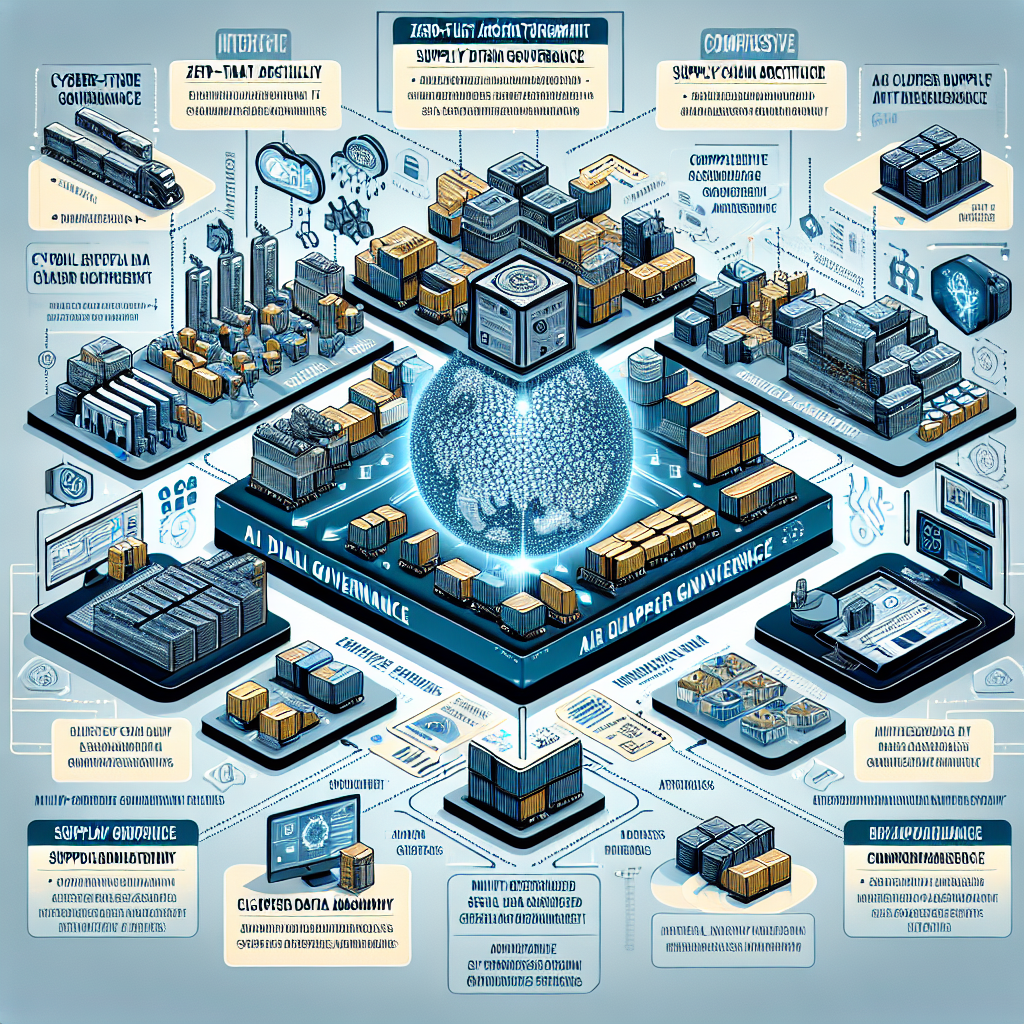
You can’t manage what you can’t see. Real-time supply chain visibility tools give businesses the ability to monitor inventory levels, track shipments, and receive early warnings about potential supply chain bottlenecks before they become full-blown crises. Platforms that integrate data across suppliers, logistics providers, and internal systems are becoming essential infrastructure for serious supply chain risk management.
Predictive analytics is taking this a step further, allowing companies to model potential supply chain shock scenarios and test their resilience before an actual disruption hits. Investing in these tools is no longer optional for businesses that want to compete effectively in an unpredictable global environment.
● Real-time visibility is foundational to effective supply chain risk management
● Predictive analytics allows businesses to rehearse their response to supply chain disruption
● Technology investment pays back quickly during even a single major disruption event
Build Strategic Inventory Buffers
The era of ultra-lean “just in time” inventory has given way to a more balanced approach that includes strategic safety stock for critical items. A modest increase in buffer inventory for high-risk components can mean the difference between keeping production running and shutting down operations during a supply shortage. This doesn’t mean warehousing mountains of stock — it means being thoughtful about which items justify carrying extra inventory.
Segmenting your inventory by risk level allows you to apply this strategy where it matters most without dramatically increasing carrying costs. Items sourced from regions prone to logistics disruption or from single-source suppliers deserve a deeper safety stock than commodities that are widely available.
● Strategic inventory buffers protect against supply shortage without excessive warehousing costs
● Risk-segmented inventory management applies buffer stock where it delivers the most protection
● Balancing just-in-time efficiency with safety stock is the modern resilience approach
Key Takeaways
Building supply chain resilience isn’t a one-time project — it’s an ongoing commitment to understanding your risks and systematically reducing them. Here’s a quick summary of what we covered:
● Supply chain vulnerability often hides inside everyday decisions like single source dependency and lean inventory practices
● Raw material shortage, supplier failure, port congestion, freight delays, and last mile delivery problems are among the most common triggers of supply chain disruption
● Diversifying your supplier base across geographies is one of the most powerful resilience strategies available
● Real-time visibility tools and predictive analytics are essential for modern supply chain risk management
● Strategic safety stock for high-risk items provides a critical buffer against supply shortage without inflating costs unnecessarily
Want to dig deeper into supply chain solutions, supplier sourcing, and resilience strategies? Head over to BestInSupplies.com for more guides, product sourcing tips, and practical resources to help you build a stronger, more reliable supply chain.