






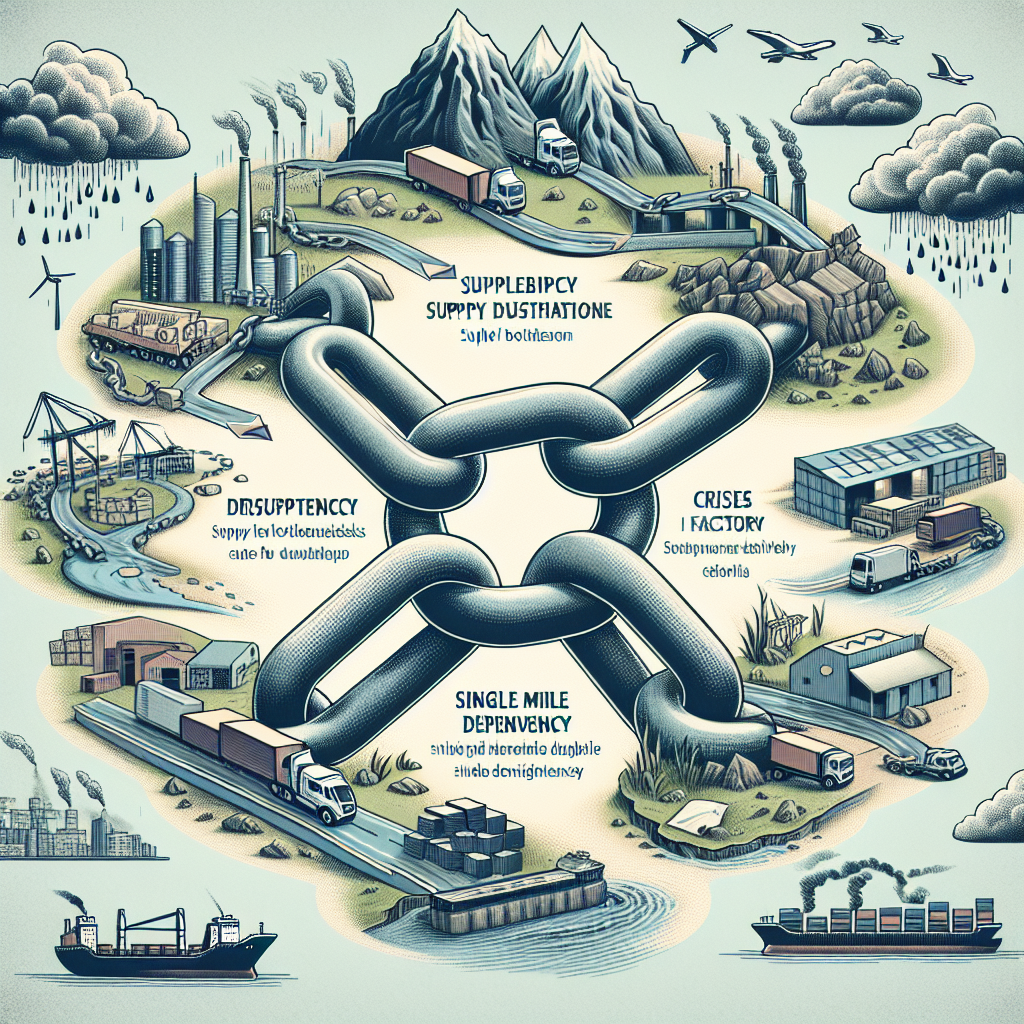
Supply chain disruption has gone from a niche logistics concern to a boardroom-level crisis topic — and for good reason. From raw material shortages to port congestion and last mile delivery problems, businesses of every size have felt the sting of a fragile, over-optimized supply chain. The good news? You don’t have to wait for the next supply chain shock to start building something stronger. Let’s walk through how to spot the vulnerabilities hiding in your supply chain and what you can actually do about them.
Why Supply Chain Fragility Is More Common Than You Think
Most companies don’t realize how exposed they are until something breaks. Supply chain fragility often hides behind years of smooth operations — right up until a single supplier failure or a logistics disruption sends the whole system into chaos.
The global shift toward lean inventory and just-in-time manufacturing created incredibly efficient supply chains, but it also stripped out the buffers that provide protection during disruptions. When the COVID-19 pandemic hit, companies discovered that decades of cost-cutting had left them dangerously exposed to even minor supply chain shocks.
A striking example: the global semiconductor shortage that rippled through the automotive industry forced major manufacturers like Ford and GM to halt production on high-demand vehicles, costing the industry an estimated $210 billion in lost revenue. That’s the real cost of supply chain fragility left unchecked.
● Lean, just-in-time models increase efficiency but reduce resilience
● A single supplier failure can cascade across entire industries
● Supply chain fragility often goes undetected until a crisis is already underway
Spotting Supply Chain Vulnerabilities Before They Become Crises
Identifying supply chain vulnerabilities requires looking beyond your direct suppliers and mapping the full network of dependencies your business relies on. Many companies are surprised to find they have significant exposure several tiers down the supply chain.
Single source dependency is one of the most common and dangerous vulnerabilities. When your entire production relies on one supplier for a critical component — especially a foreign one — a single disruption event like a factory fire, political instability, or a raw material shortage can bring your operation to a standstill. A well-known case is the 2011 earthquake and tsunami in Japan, which disrupted the global supply of automotive parts and electronics components for months, affecting companies as far away as North America and Europe.
Conducting a formal supply chain risk management audit at least once a year is one of the best ways to surface these hidden vulnerabilities. Look for concentration risk, geographic clustering of suppliers, and any nodes in your network where there is no backup option available.
● Single source dependency is among the highest-risk vulnerabilities in any supply chain
● Multi-tier mapping reveals risks that direct supplier reviews often miss
● Annual risk audits help catch vulnerabilities before they trigger a supply chain crisis
Understanding the Most Common Sources of Supply Chain Disruption
Logistics Disruption and Transportation Bottlenecks
Logistics disruption and transportation bottlenecks have proven to be some of the most visible and costly sources of supply chain pain in recent years. Port congestion, in particular, became a defining feature of the post-pandemic supply chain crisis, with vessels idling for weeks outside major ports like Los Angeles-Long Beach, costing shippers thousands of dollars per container per day.
Freight delays don’t just cost money — they erode customer trust, disrupt production schedules, and force expensive emergency sourcing decisions. According to the Federal Reserve Bank of New York, supply chain pressures reached historic highs, with the Global Supply Chain Pressure Index spiking dramatically, reflecting simultaneous stress across shipping, manufacturing, and inventory systems.
● Port congestion and freight delays can ripple across entire industries simultaneously
● Transportation bottlenecks compound quickly when multiple disruptions occur at once
Cold Chain Disruption and Last Mile Delivery Problems
For businesses in food, pharmaceuticals, or biotech, cold chain disruption carries uniquely severe consequences. A break in temperature-controlled logistics — whether due to equipment failure, freight delays, or last mile delivery problems — can render entire shipments unsalvageable and create immediate supply shortages.
Last mile delivery problems have intensified with the growth of e-commerce, as final-leg fulfillment has become both the most expensive and most failure-prone part of the logistics chain. The McKinsey Global Institute estimates that last mile delivery can account for more than 50% of total shipping costs, making it a critical point of risk management focus.
● Cold chain disruption can instantly destroy product value with no recovery option
● Last mile delivery problems are growing in scale alongside e-commerce demand
Raw Material Shortage and Supplier Failure
Raw material shortages have become a recurring theme across industries, from lithium and cobalt in battery manufacturing to lumber and steel in construction. These shortages often stem from a combination of geopolitical tension, environmental events, and sudden demand surges that outpace supply capacity.
Supplier failure is a related but distinct risk — sometimes a supplier has the materials but collapses financially, operationally, or due to regulatory issues. The Institute for Supply Management has consistently highlighted that most companies lack sufficient visibility into the financial health of their key suppliers, leaving them exposed to sudden disruptions without warning.
● Raw material shortages can be triggered by geopolitics, weather, and demand spikes
● Supplier financial health monitoring is a critical and often neglected risk management step
Building Supply Chain Resilience: Practical Steps You Can Take Now
Building genuine supply chain resilience isn’t about spending a fortune on redundancy — it’s about making smart, strategic investments in flexibility and visibility. Start by diversifying your supplier base to eliminate single source dependency and spread geographic risk across multiple regions.
Increasing safety stock for high-risk, long-lead-time components is another practical move. While this conflicts with lean inventory philosophies, the math has shifted — the cost of holding extra inventory is often far less than the cost of a supply chain bottleneck that halts production or causes you to lose customers. Companies like Apple have reportedly been working to expand their supplier network across Vietnam, India, and other regions specifically to reduce their geographic concentration risk with China.
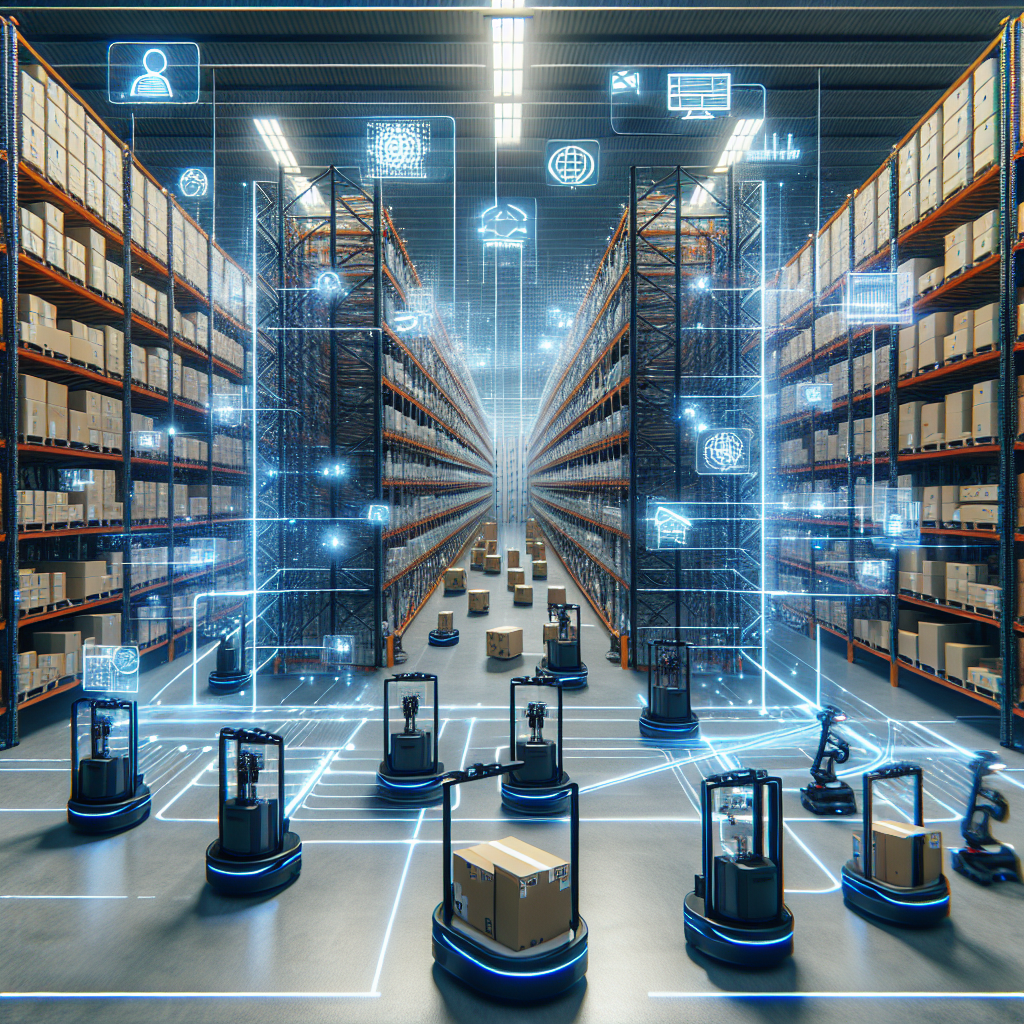
Investing in supply chain visibility technology — tools that give you real-time insight into inventory levels, supplier performance, and logistics status — is increasingly essential. Platforms that offer early warning signals for supply chain risk management can be the difference between getting ahead of a disruption and scrambling to react after it hits.
● Diversifying suppliers and geographies directly reduces single source dependency risk
● Strategic safety stock for critical components buffers against supply chain bottlenecks
● Real-time visibility tools are now a core component of modern supply chain resilience
Creating a Supply Chain Crisis Response Plan
Even the most resilient supply chains will face disruptions — the goal is to recover faster than your competitors. A formal supply chain crisis response plan gives your team a clear playbook so you’re not making critical decisions under pressure without a framework.
Your plan should include pre-identified alternative suppliers for critical components, clear communication protocols with customers during a supply shortage, and defined escalation paths so the right decision-makers are activated quickly. FEMA’s supply chain resilience guidance and frameworks from organizations like the Bank for International Settlements offer useful models that businesses can adapt to their own contexts.
Scenario planning is also a powerful tool — running tabletop exercises that simulate a major logistics disruption, a key supplier failure, or a sudden raw material shortage helps your team build the muscle memory to respond effectively when a real supply chain shock arrives.
● A documented crisis response plan reduces reaction time during a supply chain disruption
● Pre-approved alternative suppliers are one of the most valuable assets in any crisis plan
● Scenario planning builds team readiness before a real supply chain crisis strikes
Key Takeaways
Supply chain disruption isn’t a matter of if — it’s a matter of when. The businesses that come out ahead are those that invest in resilience before the next supply chain shock arrives, not after. Here’s what to keep in mind:
● Supply chain fragility builds up silently and usually reveals itself at the worst possible moment
● Identifying supply chain vulnerabilities — especially single source dependency and logistics exposure — is the critical first step toward resilience
● Freight delays, port congestion, cold chain disruption, and raw material shortages each require tailored mitigation strategies
● Supply chain resilience is built through supplier diversification, strategic inventory buffers, and real-time visibility tools
● A tested supply chain crisis response plan can be the difference between a manageable disruption and a catastrophic one
Want to go deeper on supply chain risk management, supplier sourcing strategies, and building a more resilient operation? Explore more expert resources and guides at BestInSupplies.com