





The New Reality: Why Traditional Supply Chain Security Falls Short
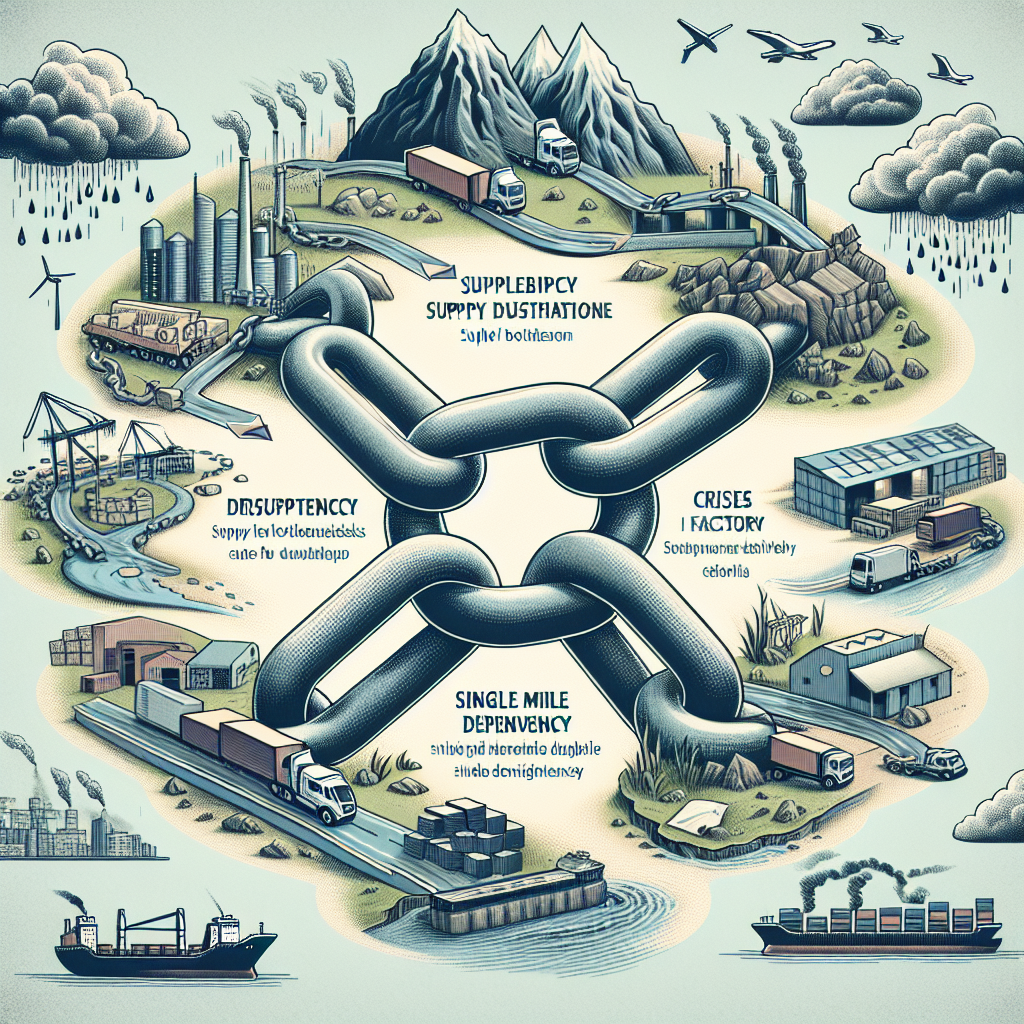
Remember when a simple firewall and password protection felt like enough? Those days are long gone. Today’s supply chains are sprawling digital ecosystems connecting hundreds—sometimes thousands—of partners, vendors, and systems across the globe. The complexity of multi-enterprise supply chain networks has created unprecedented vulnerabilities, and cybercriminals know it. That’s why forward-thinking organizations are reimagining their approach through AI governance in supply chain operations combined with zero-trust supply chain architecture principles.
The shift isn’t just about better technology—it’s about fundamentally rethinking how we design, secure, and manage our digital supply chain architecture. Cyber-resilience in logistics has become a competitive advantage, not just a checkbox on a compliance form. Let’s explore how to build systems that don’t just survive attacks but thrive despite them.
Understanding Zero-Trust in the Supply Chain Context
Zero-trust architecture operates on a beautifully simple premise: never trust, always verify. In traditional security models, once you’re inside the perimeter, you’re largely trusted. But in today’s interconnected supply chains, there is no perimeter. Your enterprise supply chain architecture extends across cloud platforms, partner systems, IoT devices, and mobile applications scattered worldwide.
Implementing zero-trust supply chain architecture means treating every access request, data exchange, and system interaction as potentially untrusted—regardless of where it originates. This approach aligns perfectly with modern supply chain platform architecture, where API-driven supply chain integration enables seamless connections while maintaining rigorous verification at every touchpoint.
Core Principles for Supply Chain Zero-Trust
First, embrace supply chain identity and access management as your foundation. Every user, device, application, and data flow needs a verified identity with precisely defined permissions. No exceptions. This granular control becomes especially critical when you’re managing secure data sharing in supply chain networks where sensitive information flows between competitors, regulators, and service providers.
Second, implement continuous verification. In cloud supply chain architecture, access decisions can’t be made once at login—they need to be reassessed constantly based on behavior, context, and risk signals. This is where AI governance in supply chain systems really shines, enabling real-time risk assessment that human teams simply couldn’t match.
AI Governance: Your Smart Security Partner
Artificial intelligence isn’t just transforming supply chain operations—it’s revolutionizing how we protect them. But here’s the catch: AI itself needs governance. Supply chain IT governance frameworks must now address both traditional concerns and AI-specific challenges like model bias, decision transparency, and automated risk response.
Effective AI governance in supply chain contexts means establishing clear policies for how AI systems make decisions, what data they can access, and how their recommendations are validated. This becomes particularly important for risk governance frameworks in logistics, where AI might flag a supplier risk or recommend rerouting shipments based on threat intelligence.
Practical AI Applications for Cyber-Resilience
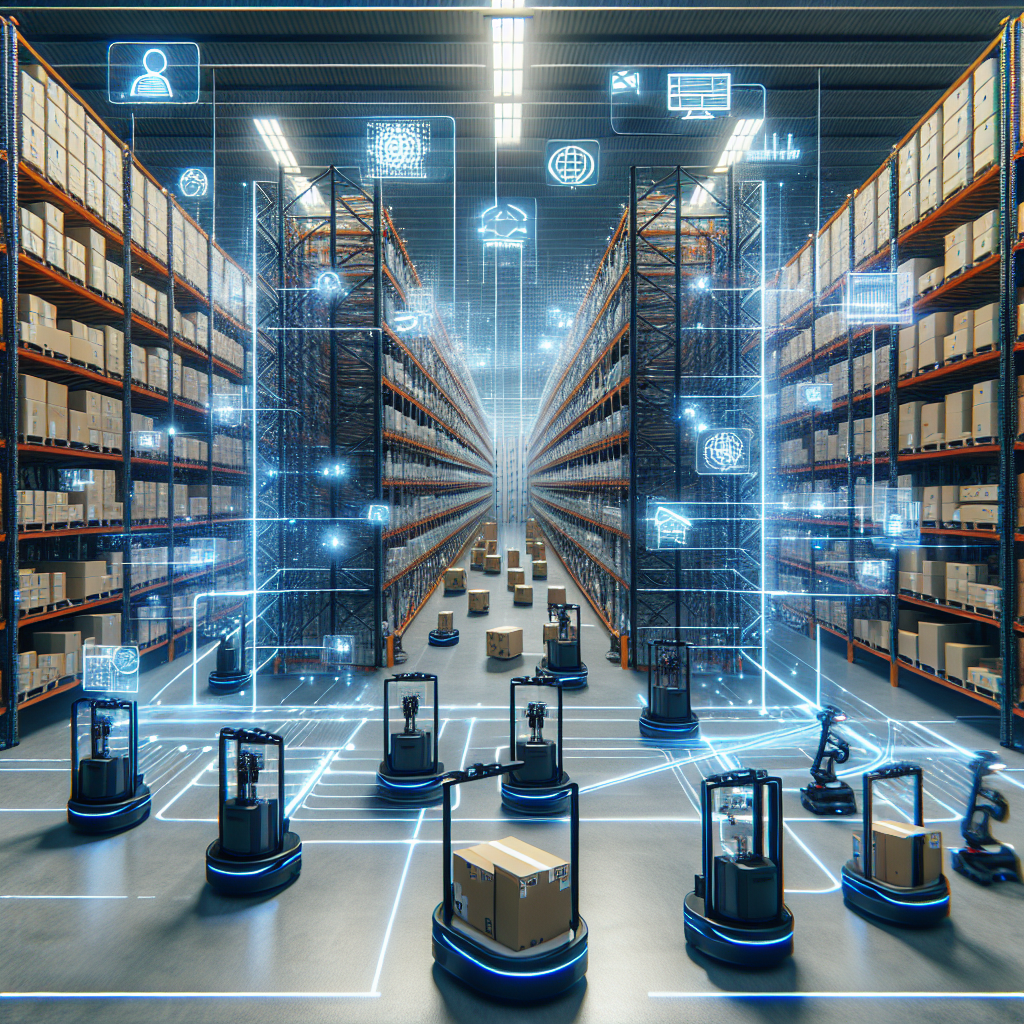
AI excels at pattern recognition, making it invaluable for detecting anomalies in data lineage in supply chain systems. When a vendor suddenly accesses unusual data sets or a familiar integration pattern changes unexpectedly, AI can flag these deviations before they become breaches. This proactive stance is essential for cyber-resilience in logistics, where disruptions can cascade rapidly across networks.
Machine learning models can also enhance supplier data governance by continuously assessing partner security postures, analyzing compliance documentation, and monitoring for changes in risk profiles. Combined with master data management supply chain practices, this creates a dynamic, intelligent view of your extended enterprise ecosystem.
Data Governance: The Backbone of Resilient Systems
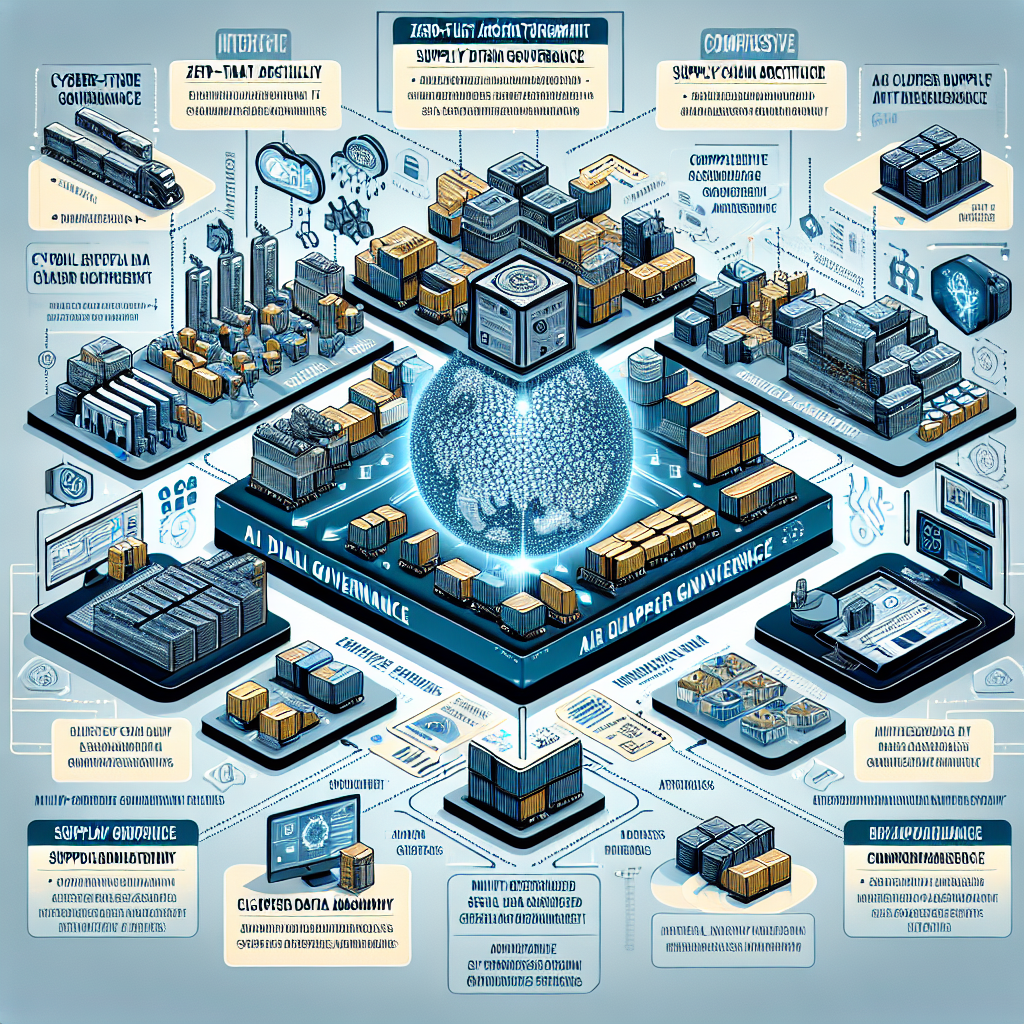
You can’t protect what you don’t understand, and you can’t understand what isn’t properly governed. Supply chain data governance provides the essential framework for knowing what data exists, where it lives, who can access it, and how it flows through your systems. This visibility is non-negotiable for both security and regulatory compliance in global supply chains.
Supply chain data standardization is where many organizations stumble. When every partner uses different formats, definitions, and protocols, creating coherent security policies becomes nearly impossible. Investing in interoperability in supply chain systems pays dividends