





Understanding the Circular Supply Chain Revolution
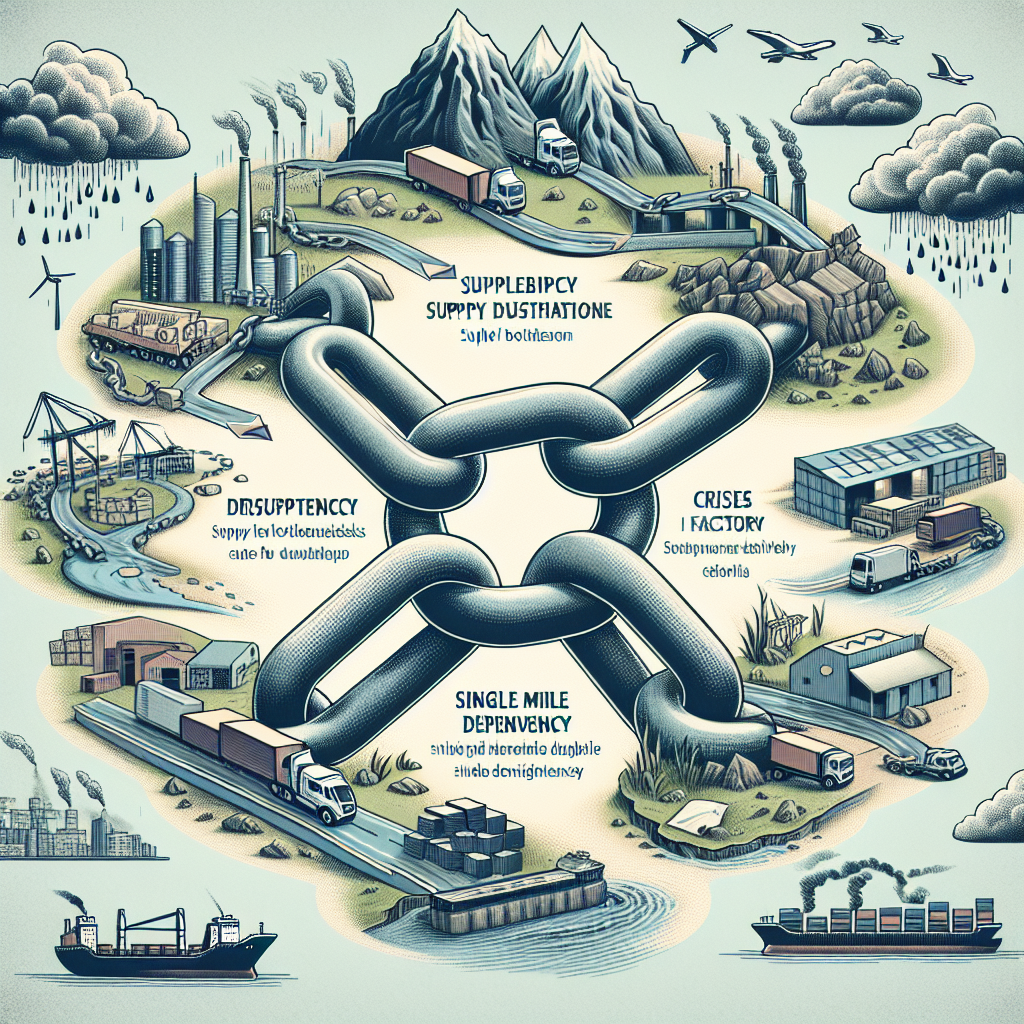
Today’s businesses are waking up to a powerful truth: the old linear “take-make-waste” model just isn’t sustainable anymore. Enter circular supply chain management, a game-changing approach that’s transforming how companies think about resources, waste, and value creation. Instead of products reaching an end-of-life, they’re redesigned to cycle back into the system, creating closed loops that benefit both the planet and your bottom line.
At its heart, supply chain sustainability is about creating systems that can endure for generations. It’s about recognizing that every decision we make today ripples through our environment, communities, and future markets. The circular approach doesn’t just reduce waste—it reimagines waste as a resource waiting to be tapped.
Mapping Your Net-Zero Supply Chain Roadmap
Creating a net-zero supply chain roadmap might sound daunting, but it’s really about taking strategic, measurable steps toward carbon neutrality. The journey begins with understanding exactly where your emissions come from, and spoiler alert: most of them are hiding in your supply chain!
The first milestone is getting serious about Scope 3 emissions tracking. These indirect emissions account for an average of 70-90% of most companies’ carbon footprints, yet they’re often the hardest to measure. They include everything from the materials you purchase to the transportation of your products and even how customers use and dispose of them.
Here’s where things get really interesting: carbon accounting for Tier 3 suppliers. These are the suppliers of your suppliers’ suppliers, and yes, their emissions count too! While tracking this deep into your supply chain requires commitment and sophisticated tools, it’s essential for genuine transparency and meaningful carbon reduction.
Reverse Logistics for Circularity: Closing the Loop
Let’s talk about reverse logistics for circularity, which is basically the art of bringing products back home. Think of it as a boomerang economy—products return to be refurbished, remanufactured, or recycled into new materials. This isn’t just environmentally smart; it’s economically brilliant.
Companies implementing strong reverse logistics programs are discovering gold mines in their returned products. Materials that would have ended up in landfills are instead becoming valuable inputs for new production cycles. Plus, customers increasingly appreciate brands that offer take-back programs, repairs, and recycling options.
Sustainable Material Substitution: Choosing Smarter Inputs
One of the most impactful changes you can make is sustainable material substitution. This means swapping out traditional materials for alternatives that have lower environmental footprints, better recyclability, or come from renewable sources.
The beauty of material substitution is that innovation is happening rapidly. Bio-based plastics, recycled metals, organic fibers, and novel materials like mushroom-based packaging are no longer fringe alternatives—they’re becoming mainstream. The key is balancing performance requirements with sustainability goals, and testing thoroughly before making the switch.
Green Logistics EV Fleet Transition: Moving Toward Zero Emissions
Transportation is a major emissions culprit in most supply chains, which is why the green logistics EV fleet transition is generating so much excitement. Electric vehicles for last-mile delivery, electric trucks for regional distribution, and even electric cargo ships on the horizon are changing the game.
The transition isn’t just about swapping diesel for electricity. It requires infrastructure planning, route optimization, charging station networks, and training for drivers and maintenance teams. But early adopters are already seeing benefits: lower fuel costs, reduced maintenance expenses, improved air quality in urban areas, and a significant reduction in carbon emissions.