







Understanding Today’s Most Critical Supply Chain Vulnerabilities
Hey there, supply chain professionals and logistics enthusiasts! If you’ve been keeping an eye on global shipping lately, you know that our interconnected world faces some serious challenges when it comes to moving goods from point A to point B. Today, we’re diving into three major pressure points that are keeping supply chain managers up at night: Red Sea shipping disruptions, security concerns around the Strait of Hormuz, and the ongoing impact of tariffs on international trade.
Red Sea Shipping Disruptions: A Growing Concern
The Red Sea has become one of the most talked-about maritime corridors in recent months, and for good reason. This vital waterway connects the Mediterranean Sea to the Indian Ocean through the Suez Canal, handling an enormous volume of global trade every single day.
Recent Red Sea shipping disruptions have forced many carriers to reroute vessels around the Cape of Good Hope, adding significant time and cost to their journeys. We’re talking about an extra 10-14 days of sailing time and substantially higher fuel expenses. For businesses relying on just-in-time inventory systems, these delays can create serious operational headaches.
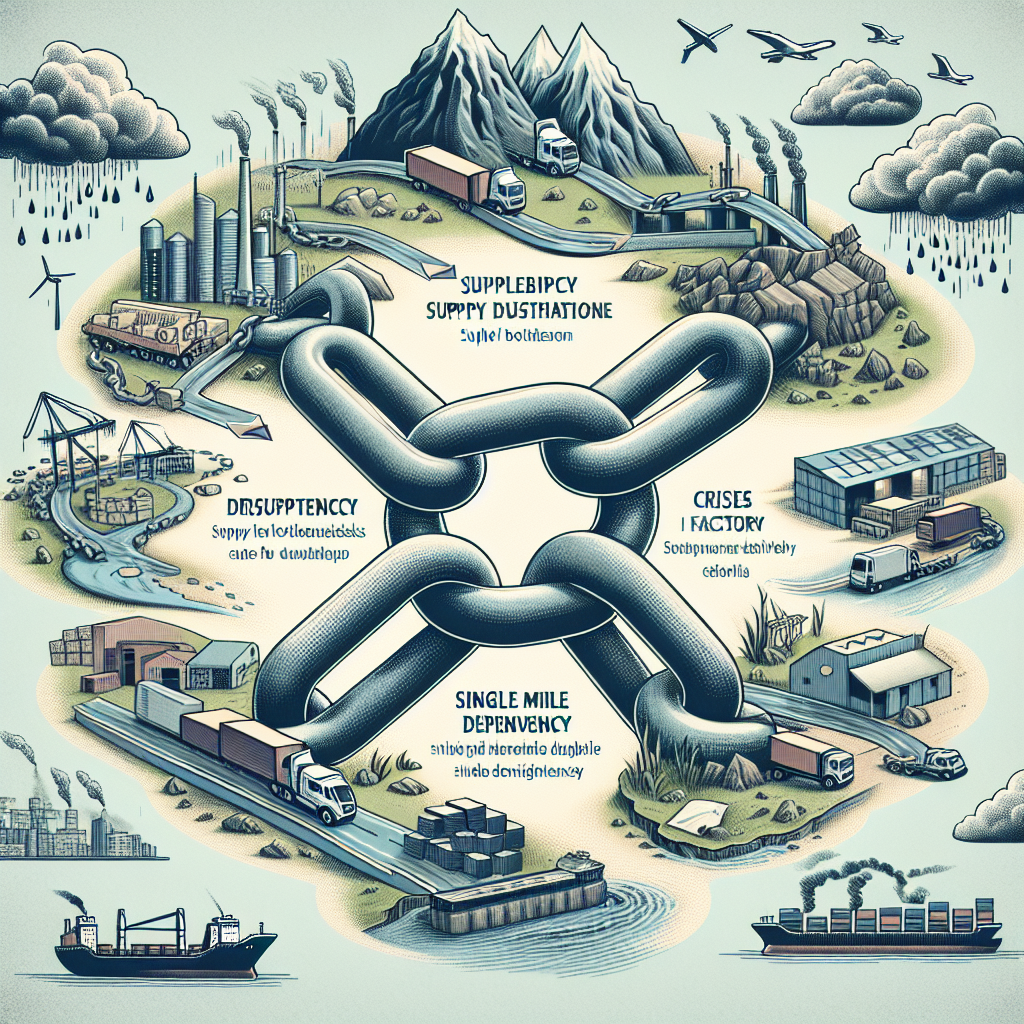
The ripple effects extend far beyond longer transit times. Insurance premiums have skyrocketed, and some carriers have implemented significant surcharges to cover the additional risks and costs. Smart companies are now building more buffer time into their supply chain planning and exploring alternative sourcing strategies to reduce their dependence on this single corridor.
Strait of Hormuz Maritime Security: The World’s Oil Gateway
While the Red Sea grabs headlines, we can’t forget about another absolutely critical chokepoint: the Strait of Hormuz. This narrow passage between Iran and Oman is arguably the world’s most important oil transit route, with roughly 21 million barrels of petroleum passing through daily.
Strait of Hormuz maritime security remains a top priority for nations worldwide because any significant disruption here would send shockwaves through global energy markets. The strait is only 21 miles wide at its narrowest point, making it vulnerable to both intentional interference and accidental incidents.
For supply chain professionals, monitoring this chokepoint isn’t just about oil and gas. The security situation here affects shipping costs across the board, influences currency markets, and can trigger sudden shifts in routing decisions. Companies with exposure to Middle Eastern trade routes need robust contingency plans that account for potential closures or security incidents.
Tariff Impact Analysis: Navigating the Trade Policy Maze
Now let’s talk about something that doesn’t involve narrow waterways but can be just as disruptive: tariffs. Conducting thorough tariff impact analysis has become an essential skill for anyone managing international supply chains.
Tariffs don’t just increase costs—they fundamentally change the economics of sourcing decisions. A product that made perfect sense to manufacture in one country might become uncompetitive overnight when tariff rates change. We’ve seen this play out repeatedly over the past few years as trade relationships evolve.
Key Considerations for Tariff Planning
When analyzing tariff impacts, successful companies look beyond the immediate cost increase. They consider how tariffs might affect their competitors, whether alternative sourcing locations exist, and how customer demand might shift in response to price changes. It’s a complex puzzle that requires both quantitative analysis and strategic thinking.
Many businesses are also exploring tariff mitigation strategies like foreign trade zones, bonded warehouses, and manufacturing relocation. The right approach depends on your specific products, markets, and risk tolerance.