







Understanding Today's Supply Chain Challenges
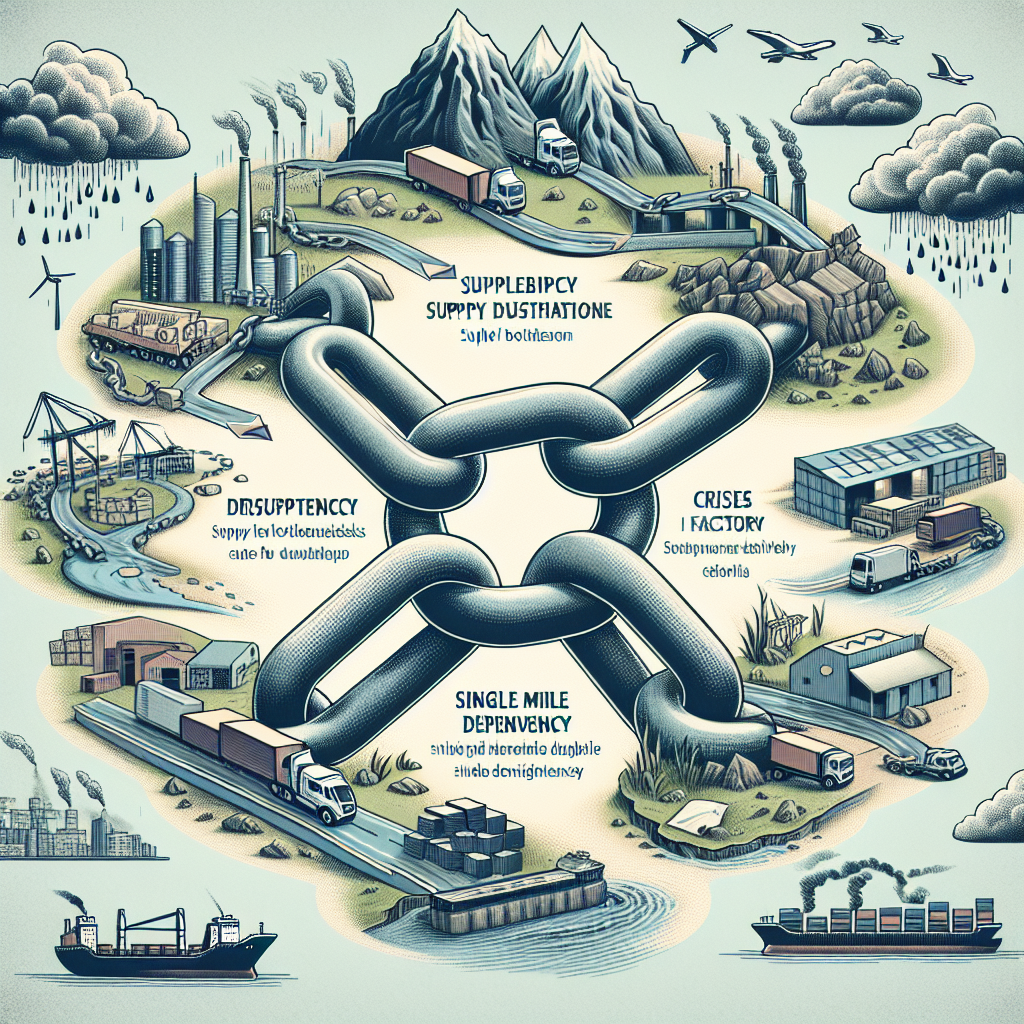
If you’ve been managing a warehouse or overseeing inventory in recent years, you know firsthand that supply chain disruption has become the new normal. From pandemic-related shutdowns to geopolitical tensions and extreme weather events, shipping disruption and logistics disruption have tested even the most resilient operations. The good news? Modern technology and smart strategies are helping businesses not just survive these challenges, but actually thrive despite them.
Today’s warehouse management requires a completely different approach than what worked just a decade ago. Let’s explore the practical strategies that forward-thinking companies are using to keep their operations running smoothly, even when the unexpected strikes.
Embracing Technology for Better Visibility
Real-Time Inventory Tracking
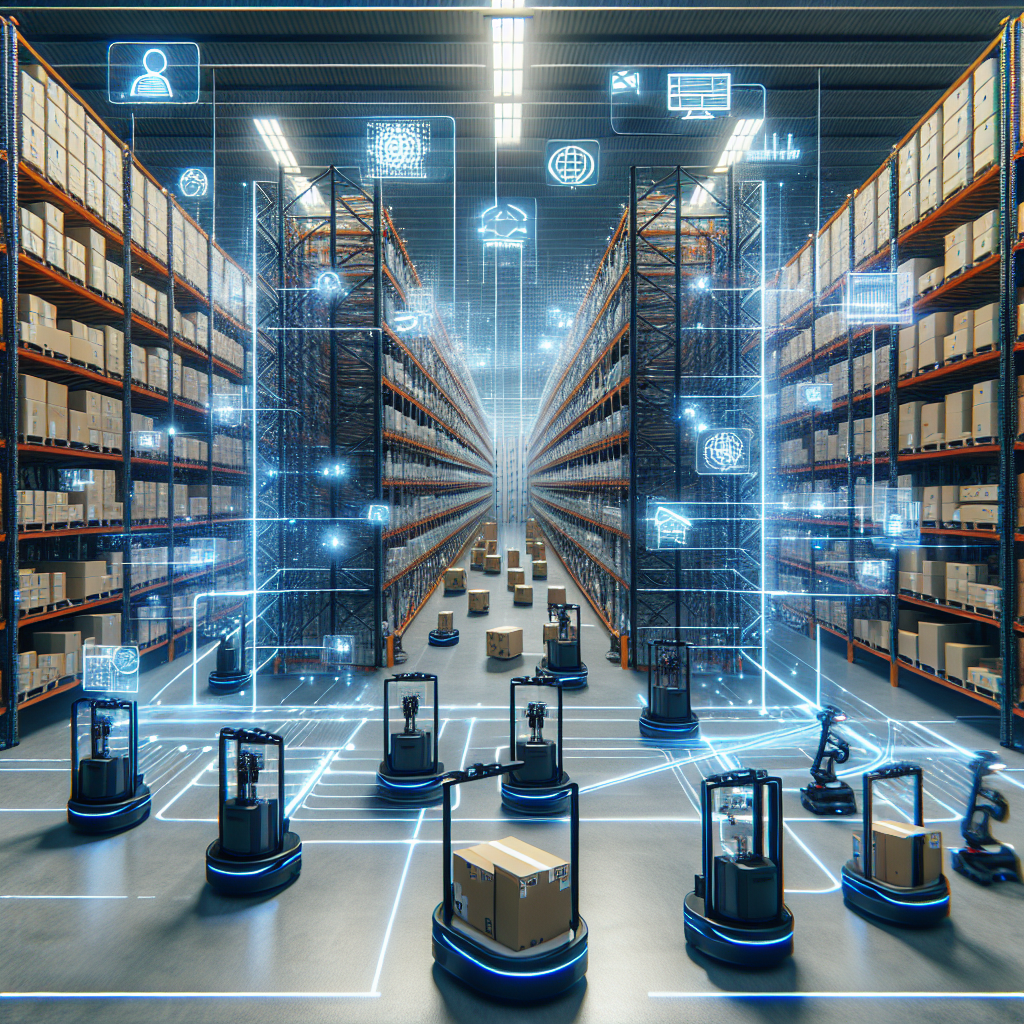
Gone are the days when you could rely on weekly or even daily inventory counts. Modern warehouse management demands instant visibility into your stock levels, and that’s where real-time IoT inventory tracking becomes a game-changer. By using smart sensors and connected devices, you can monitor inventory levels, track product movement, and identify potential issues before they become major problems.
This technology isn’t just about knowing what you have—it’s about understanding exactly where everything is, how quickly it’s moving, and when you need to reorder. The data you collect becomes the foundation for smarter decision-making across your entire operation.
Leveraging Modern Inventory Management Software
The right inventory management software can transform your entire operation. Today’s platforms integrate with your suppliers, carriers, and customers to create a seamless flow of information. They help you forecast demand more accurately, automate reordering processes, and identify patterns that human analysis might miss.
When evaluating software solutions, look for systems that offer predictive analytics, easy integration with existing tools, and mobile accessibility. Your team needs to access critical information wherever they are, whether that’s on the warehouse floor or meeting with suppliers.
Rethinking Traditional Inventory Strategies
The Reality of Just-in-Time Inventory Risks
Just-in-time inventory strategies served businesses well for years, minimizing storage costs and reducing waste. However, recent supply chain disruptions have exposed the vulnerability of this approach. When shipping delays occur or suppliers face unexpected shutdowns, companies relying solely on just-in-time methods can find themselves unable to fulfill customer orders.
This doesn’t mean abandoning lean principles entirely, but it does require a more balanced approach. Consider which products are most critical to your business and which suppliers are most reliable, then adjust your strategy accordingly.
Developing a Smart Safety Stock Strategy
A well-planned safety stock strategy serves as your insurance policy against disruption. Rather than keeping excessive inventory across the board, focus on maintaining strategic buffers for high-demand items, products with unreliable supply chains, or goods that are expensive to expedite.
Calculate your safety stock levels based on historical demand variability, supplier reliability, and the potential impact of stockouts on your business. Review and adjust these levels regularly as conditions change. Yes, this ties up more capital than just-in-time approaches, but the cost of lost sales and disappointed customers often far exceeds the expense of maintaining appropriate safety stock.
Optimizing Your Operations for Speed and Flexibility
Focusing on Lead Time Reduction
Every day you can shave off your lead times gives you a competitive advantage and increases your ability to respond to market changes. Lead time reduction starts with analyzing your entire process from order placement to delivery, identifying bottlenecks, and systematically addressing them.
Work closely with your suppliers to streamline ordering processes. Consider local sourcing options for critical components, even if they cost slightly more. Automate routine tasks within your warehouse to speed up order processing. Each small improvement compounds to create significant overall gains.
Mastering Last-Mile Delivery Orchestration
The final leg of the journey—getting products into your customers’ hands—can make or break the customer experience. Last-mile delivery orchestration involves coordinating multiple carriers, routes, and delivery options to ensure fast, cost-effective service.