

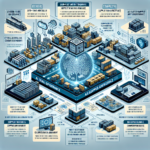





The supply chain landscape is undergoing a remarkable transformation, driven by cutting-edge technologies that are reshaping how goods move through warehouses, factories, and distribution centers. At the heart of this revolution lies the powerful combination of autonomous mobile robots and edge computing—technologies that are enabling businesses to achieve unprecedented levels of efficiency and reliability.
What Is Zero-Touch Logistics and Why Does It Matter?
Zero-touch logistics orchestration represents the next frontier in supply chain management. Imagine a warehouse where materials flow seamlessly from receiving to shipping without constant human intervention. This isn’t science fiction—it’s becoming reality thanks to intelligent automation systems that can make real-time decisions, coordinate multiple processes, and adapt to changing conditions on the fly.
The beauty of zero-touch logistics orchestration lies in its ability to reduce errors, accelerate operations, and free up your team to focus on higher-value tasks. Instead of manually tracking every pallet and directing every movement, your logistics operations can run like a well-oiled machine, with systems communicating and adjusting automatically.
The Rise of Autonomous Mobile Robots in Modern Warehouses
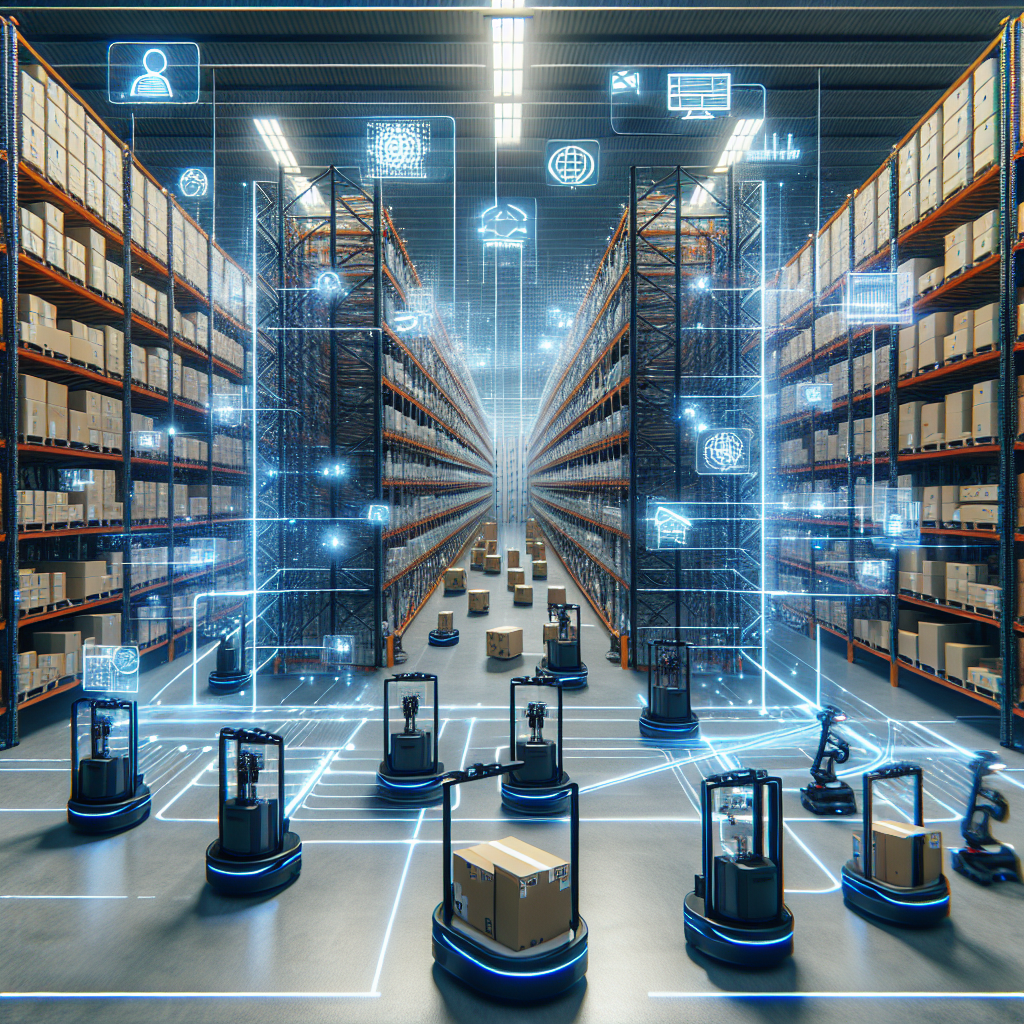
Autonomous mobile robots AMR have emerged as game-changers in warehouse operations. Unlike their predecessors that required fixed tracks or magnetic strips, today’s AMRs navigate dynamically through facilities, intelligently avoiding obstacles and optimizing their routes in real-time. These smart machines work alongside human workers, enhancing productivity rather than replacing the human touch where it matters most.
What makes AMRs particularly exciting is their flexibility. Need to reorganize your warehouse layout? No problem—AMRs adapt quickly without expensive infrastructure changes. Facing a seasonal surge in orders? Deploy additional robots temporarily to handle the increased workload. This scalability makes them perfect for businesses of all sizes looking to stay competitive.
Real-World Applications of AMRs
From picking and packing to inventory management and cross-docking, autonomous mobile robots AMR are proving their worth across diverse applications. They’re transporting goods between production lines, delivering components just-in-time to assembly stations, and even performing inventory counts during off-hours. The result? Faster order fulfillment, reduced labor costs, and happier customers receiving their products on time.
Warehouse Edge Computing: The Brain Behind the Brawn
While robots provide the muscle, warehouse edge computing delivers the intelligence that makes zero-touch logistics possible. Edge computing brings data processing power right to where the action happens—on the warehouse floor—rather than relying solely on distant cloud servers. This means faster decision-making, reduced latency, and operations that can continue even if internet connectivity becomes spotty.
Think of warehouse edge computing as having a local brain that can process sensor data, coordinate robot movements, and adjust workflows in milliseconds. When an AMR detects an obstacle or a production line signals it needs more materials, the edge computing system responds instantly, rerouting resources and maintaining optimal flow without waiting for instructions from a central server.
Benefits of Processing Data at the Edge
The advantages go beyond speed. Edge computing enhances security by keeping sensitive operational data on-premises, reduces bandwidth costs by processing information locally, and enables sophisticated AI applications that would be impractical with cloud-only architectures. It’s the foundation that makes truly intelligent, responsive supply chain operations achievable.
Industry 4.0 Smart Factory Integration: Connecting the Dots
The real magic happens when these technologies come together through Industry 4.0 smart factory integration. This holistic approach connects your AMRs, edge computing infrastructure, sensors, production equipment, and enterprise systems into one cohesive ecosystem. Data flows seamlessly across platforms, enabling unprecedented visibility and control over your entire operation.
Industry 4.0 smart factory integration means your warehouse management system can communicate directly with your AMR fleet, your production scheduling software can automatically trigger material movements, and your quality control systems can identify and route defective items without human intervention. Everything works together, creating a synchronized supply chain that responds intelligently to real-world conditions.