








In today’s fast-paced global marketplace, supply chain professionals face unprecedented challenges. From port congestion to natural disasters, shipping disruptions and logistics disruptions have become the new normal rather than the exception. The good news? With the right strategies and tools, your business can not only survive these challenges but actually thrive despite them.
Understanding the Modern Disruption Landscape
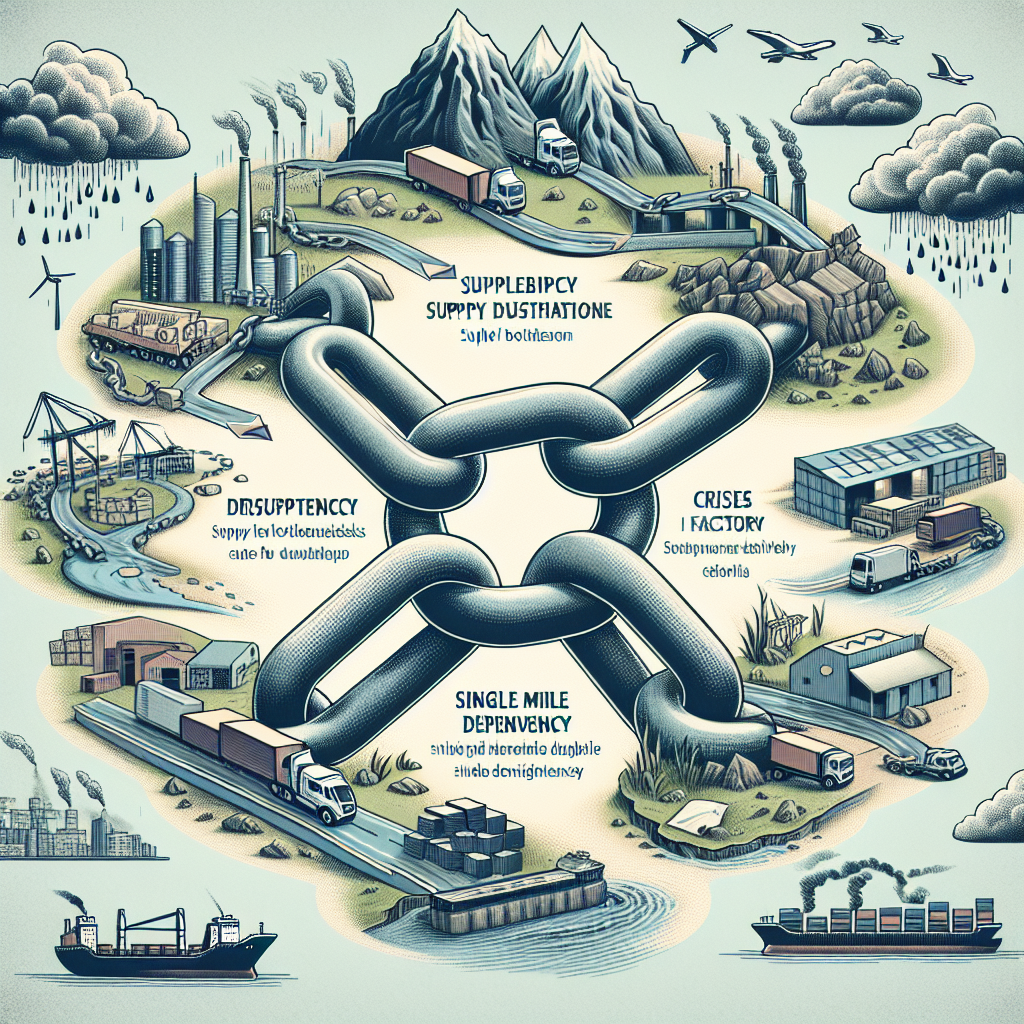
The past few years have taught us that supply chains are more fragile than we once believed. A single container ship stuck in a canal or a factory shutdown halfway around the world can ripple through entire industries. These shipping disruptions don’t just delay deliveries—they impact customer satisfaction, revenue, and competitive positioning.
But here’s the silver lining: companies that have invested in robust warehouse management systems and modern inventory management software are weathering these storms much better than their competitors. The key is being proactive rather than reactive.
Building Resilience Through Smart Warehouse Management
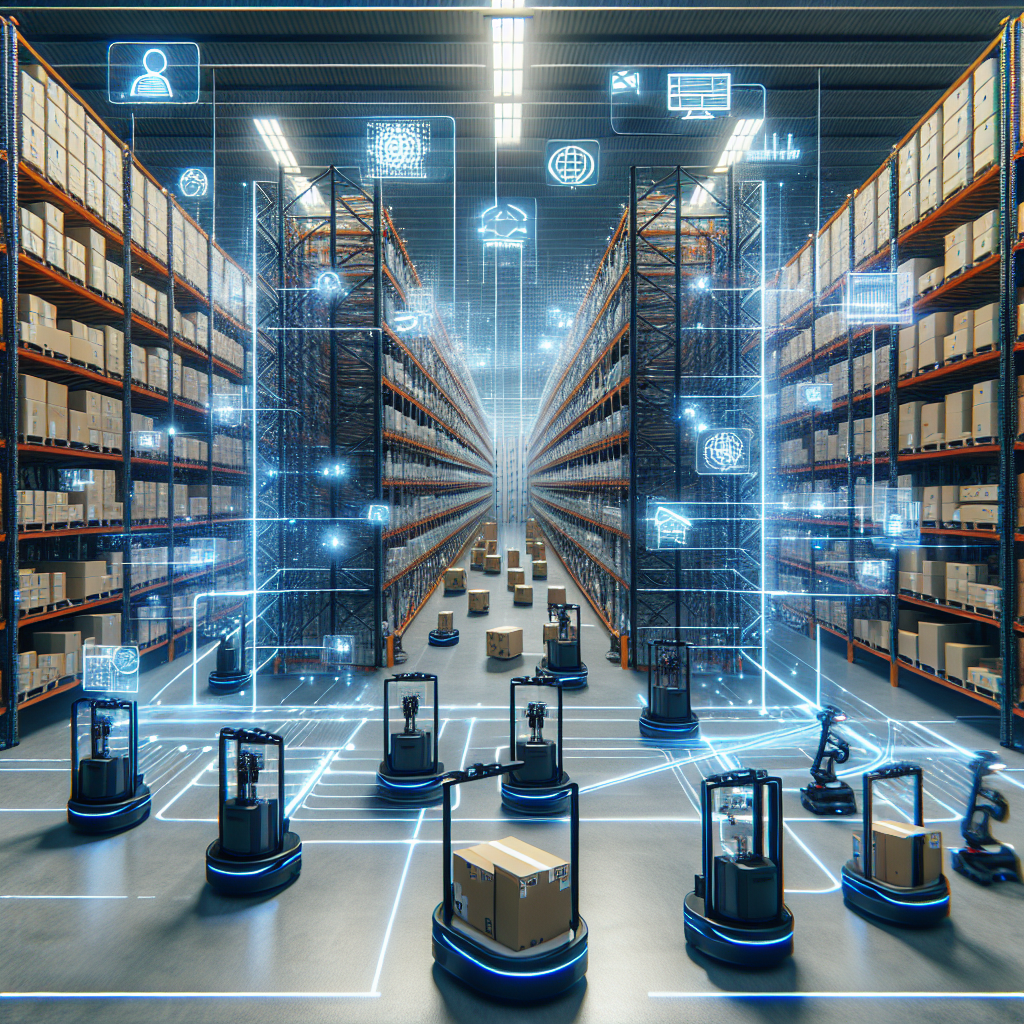
Your warehouse is more than just a storage facility—it’s the nerve center of your supply chain operations. Modern warehouse management goes beyond knowing what’s on your shelves; it’s about having complete visibility and control over every item, every movement, and every process.
Implementing Real-Time IoT Inventory Tracking
Gone are the days of manual inventory counts and clipboards. Real-time IoT inventory tracking has revolutionized how we monitor stock levels, product locations, and movement patterns. With sensors and smart devices, you can track inventory from the moment it enters your facility until it ships out to customers.
This technology doesn’t just prevent stockouts and overstocking—it provides the data you need to make informed decisions quickly when disruptions occur. Imagine knowing exactly which products are affected by a delayed shipment and being able to reallocate resources instantly.
Rethinking Inventory Strategies for Uncertain Times
The Just-in-Time Inventory Risks
Just-in-time inventory has been a cornerstone of lean manufacturing for decades, and for good reason—it reduces holding costs and minimizes waste. However, recent global events have exposed just-in-time inventory risks in dramatic fashion. When supply chains run smoothly, this approach works beautifully. When they don’t, companies can find themselves with empty shelves and frustrated customers.
The solution isn’t necessarily abandoning just-in-time principles entirely, but rather finding the right balance for your specific business context and risk tolerance.
Developing a Smart Safety Stock Strategy
A well-designed safety stock strategy acts as your insurance policy against uncertainty. The key is being strategic about it—you don’t want to tie up capital in excess inventory for every single SKU, but you do want protection for critical items and fast-moving products.
Modern inventory management software can help you calculate optimal safety stock levels based on demand variability, supplier reliability, and lead times. These systems continuously adjust recommendations as conditions change, ensuring you’re always prepared without being wasteful.
Optimizing Lead Times and Delivery Operations
Lead Time Reduction Strategies
When shipping disruptions occur, every day counts. Lead time reduction isn’t just about moving faster—it’s about eliminating waste and inefficiency from your processes. Look at your entire supply chain and identify bottlenecks. Are approvals taking too long? Could you consolidate shipments more effectively? Is your warehouse layout optimized for quick picking and packing?
Sometimes the biggest improvements come from seemingly small changes. Reorganizing your warehouse by velocity (putting fast-moving items closer to shipping) or implementing cross-docking for certain products can shave days off your lead times.
Mastering Last-Mile Delivery Orchestration
The final leg of the journey—getting products from your warehouse to your customer’s doorstep—is often the most complex and expensive. Last-mile delivery orchestration brings together route optimization, carrier management, and customer communication into one seamless operation.
When logistics disruptions strike, having flexible last-mile delivery options becomes crucial. Can you quickly switch between carriers? Do you have visibility into delivery status in real-time?