





Understanding the Critical Chokepoints in Global Maritime Trade
Hey there, supply chain enthusiasts! If you’ve been following the news lately, you know that our global shipping networks are facing some serious headwinds. From Red Sea shipping disruptions to ongoing concerns about the Strait of Hormuz maritime security, these maritime chokepoints are creating ripple effects that touch virtually every industry. Let’s dive into what’s happening and, more importantly, how businesses can navigate these challenging waters.
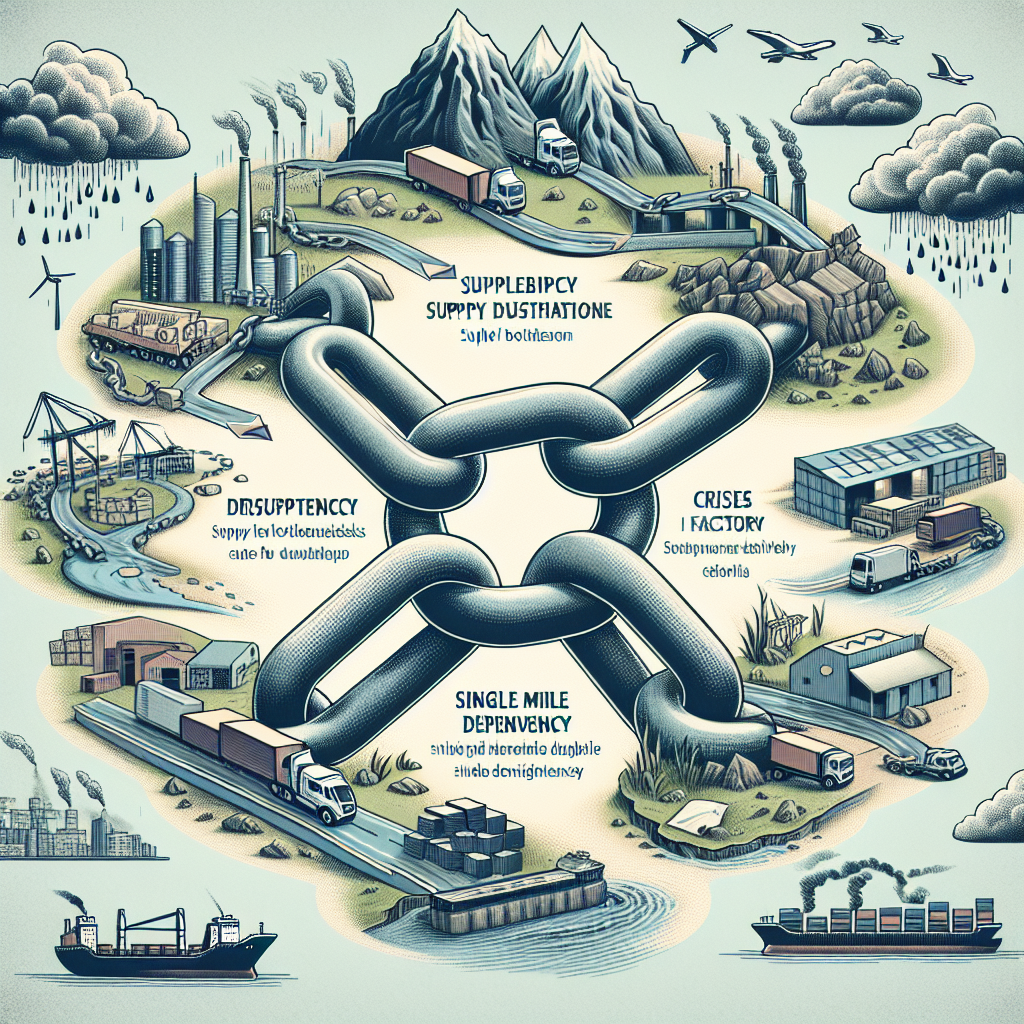
Maritime chokepoints have always been the Achilles’ heel of global trade, but recent events have brought their vulnerability into sharp focus. These narrow passages handle an enormous percentage of the world’s maritime commerce, and when they’re disrupted, the impact cascades through supply chains worldwide. Understanding these challenges is the first step toward building resilience into your logistics operations.
Red Sea Shipping Disruptions: The Current State of Affairs
The Red Sea route, which connects the Mediterranean to the Indian Ocean through the Suez Canal, is one of the most critical shipping lanes on the planet. Recent geopolitical tensions have transformed this once-reliable pathway into a source of significant uncertainty for shipping companies and their customers alike.
What makes these Red Sea shipping disruptions particularly challenging is their unpredictability. Vessels are being rerouted around the Cape of Good Hope, adding thousands of nautical miles and weeks to journey times. This isn’t just an inconvenience—it’s a fundamental restructuring of trade routes that affects delivery schedules, fuel costs, and inventory planning.
The knock-on effects are substantial. Companies that built their logistics strategies around predictable transit times through the Suez Canal are now scrambling to adjust. Insurance premiums have skyrocketed, and some carriers are simply refusing to take certain routes, forcing shippers to explore alternative pathways or transportation modes altogether.
Strait of Hormuz Maritime Security Concerns
While the Red Sea grabs headlines, we can’t forget about the Strait of Hormuz, another critical chokepoint that handles roughly one-fifth of the world’s petroleum supply. The ongoing concerns about Strait of Hormuz maritime security create a different but equally serious set of challenges for global supply chains.
This narrow waterway between Iran and Oman has long been a geopolitical flashpoint, and recent tensions have only heightened concerns about its reliability. Energy companies, manufacturers dependent on petrochemicals, and logistics providers all monitor this chokepoint with intense scrutiny, knowing that any disruption could send shockwaves through global markets.
The strategic importance of the Strait of Hormuz means that even threats of disruption can impact markets before anything actually happens. This psychological factor adds another layer of complexity to supply chain planning, as companies must decide how much to hedge against potential rather than actual disruptions.
Tariff Impact Analysis: Adding Complexity to an Already Difficult Situation
As if navigating around physical chokepoints wasn’t challenging enough, businesses are also contending with an increasingly complex tariff landscape. A thorough tariff impact analysis reveals how trade policies can exacerbate or mitigate the effects of maritime disruptions.
When ships are forced to take longer routes, they often pass through different jurisdictions, potentially triggering new tariff obligations. Additionally, delays caused by chokepoint disruptions can affect just-in-time manufacturing, pushing companies to hold more inventory in different locations—each with its own tariff implications.
Smart companies are incorporating tariff considerations into their routing decisions. Sometimes paying a slightly higher tariff for a more reliable route makes more sense than gambling on a cheaper but riskier pathway. This kind of sophisticated tariff impact analysis requires good data, scenario planning, and close collaboration between logistics and finance teams.