







Understanding Today’s Supply Chain Challenges
In recent years, businesses across the globe have experienced unprecedented supply chain disruption that has tested even the most robust operational frameworks. From raw material shortage to supplier failure, companies are grappling with vulnerabilities they never knew existed. The pandemic, geopolitical tensions, and climate events have exposed supply chain fragility in ways that demand immediate attention and strategic planning.
Supply chain vulnerability isn’t just about one broken link—it’s about understanding how interconnected our global systems have become. A supply chain bottleneck in one region can trigger a domino effect that impacts production schedules, customer satisfaction, and bottom lines worldwide. That’s why developing comprehensive supply chain risk management strategies has become more critical than ever for business survival and growth.
Common Sources of Supply Chain Disruption
Supplier-Related Challenges
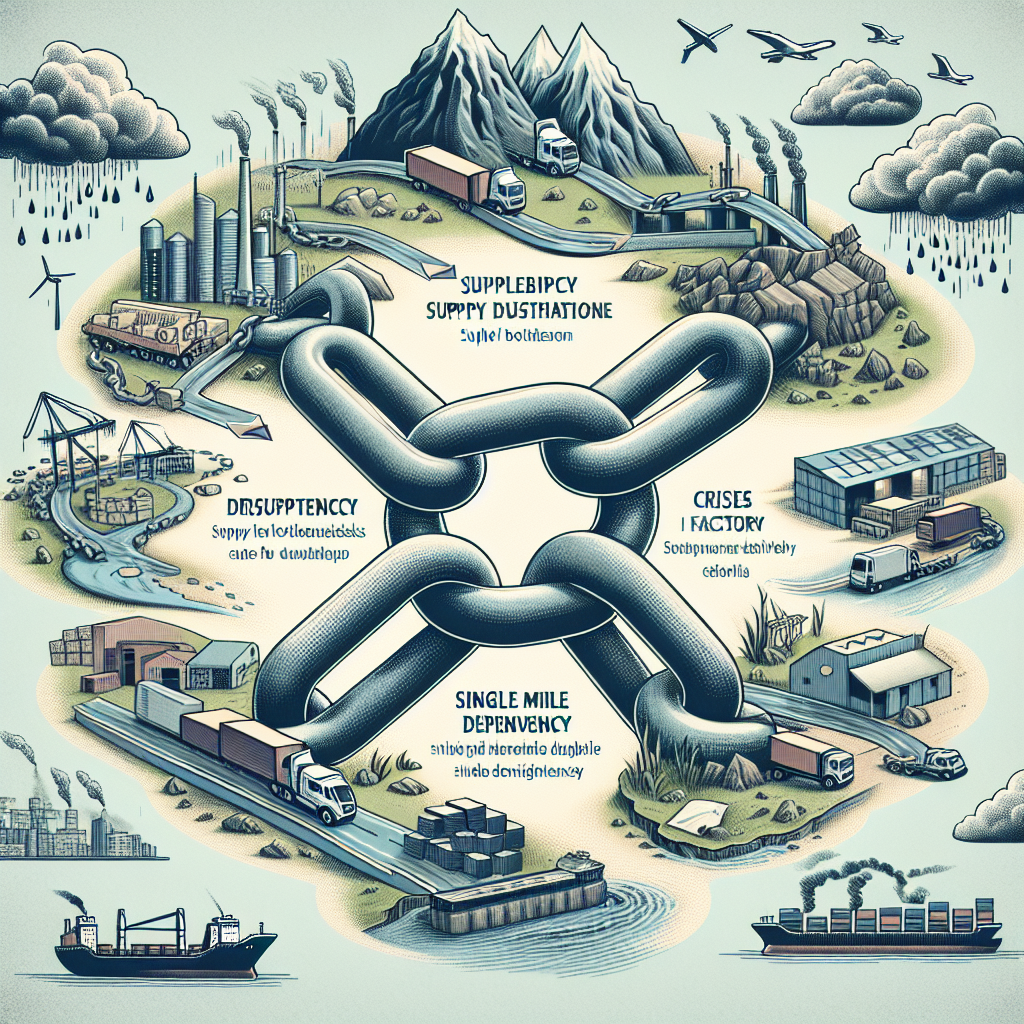
One of the most significant risks businesses face is single source dependency. When companies rely on just one supplier for critical components, they’re essentially putting all their eggs in one basket. Supplier failure—whether due to financial troubles, natural disasters, or quality issues—can bring production to a grinding halt. Diversifying your supplier base is no longer optional; it’s essential for maintaining continuity.
Logistics and Transportation Issues
The logistics disruption we’ve witnessed recently has been staggering. Port congestion has caused freight delays that ripple through entire supply networks, leaving containers stranded and products stuck in transit. Transportation bottlenecks have become commonplace, with trucking shortages, rail capacity constraints, and air cargo limitations all contributing to the supply chain crisis.
Even specialized areas like cold chain disruption have proven problematic, particularly for pharmaceuticals and perishable goods. Meanwhile, last mile delivery problems continue to frustrate both businesses and consumers, as the final stretch of the journey often proves the most challenging to manage efficiently.
Material and Inventory Challenges
Raw material shortage has affected industries from automotive to electronics, forcing manufacturers to idle production lines and delay product launches. These supply shortage situations often stem from a combination of factors: increased demand, production shutdowns, and yes, those persistent logistics challenges we mentioned earlier. The result is a supply chain shock that reverberates through entire industries.
Building Supply Chain Resilience
Diversification Strategies
The path to supply chain resilience starts with diversification. This means developing relationships with multiple suppliers across different geographic regions. While this might increase complexity and initial costs, it provides crucial backup options when disruptions occur. Consider nearshoring or reshoring some production to reduce dependency on distant suppliers and minimize exposure to international logistics challenges.
Enhanced Visibility and Monitoring
You can’t manage what you can’t see. Investing in technology that provides real-time visibility into your supply chain is essential for effective supply chain risk management. Modern tracking systems can alert you to potential bottlenecks before they become crises, giving you precious time to activate backup plans or communicate with customers about delays.
Strategic Inventory Management
While just-in-time inventory was once the gold standard, recent disruptions have prompted many businesses to reconsider. Building strategic buffer stocks for critical components can help you weather short-term supply shocks without halting operations. The key is finding the right balance between maintaining adequate safety stock and avoiding excessive inventory carrying costs.
Developing a Risk Management Framework
Effective supply chain risk management requires a systematic approach. Start by mapping your entire supply network, identifying critical nodes, and assessing where vulnerabilities exist. Which suppliers are single-source? Which materials have limited availability? Which transportation routes are most prone to disruption?
Once you’ve identified your weak points, develop contingency plans for different scenarios. What would you do if a key supplier suddenly went offline? How would you respond to extended port congestion? Having documented response procedures means you can act quickly when a supply chain crisis emerges, rather than scrambling to figure out next steps.