

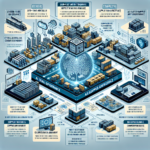





The Dawn of Zero-Touch Logistics
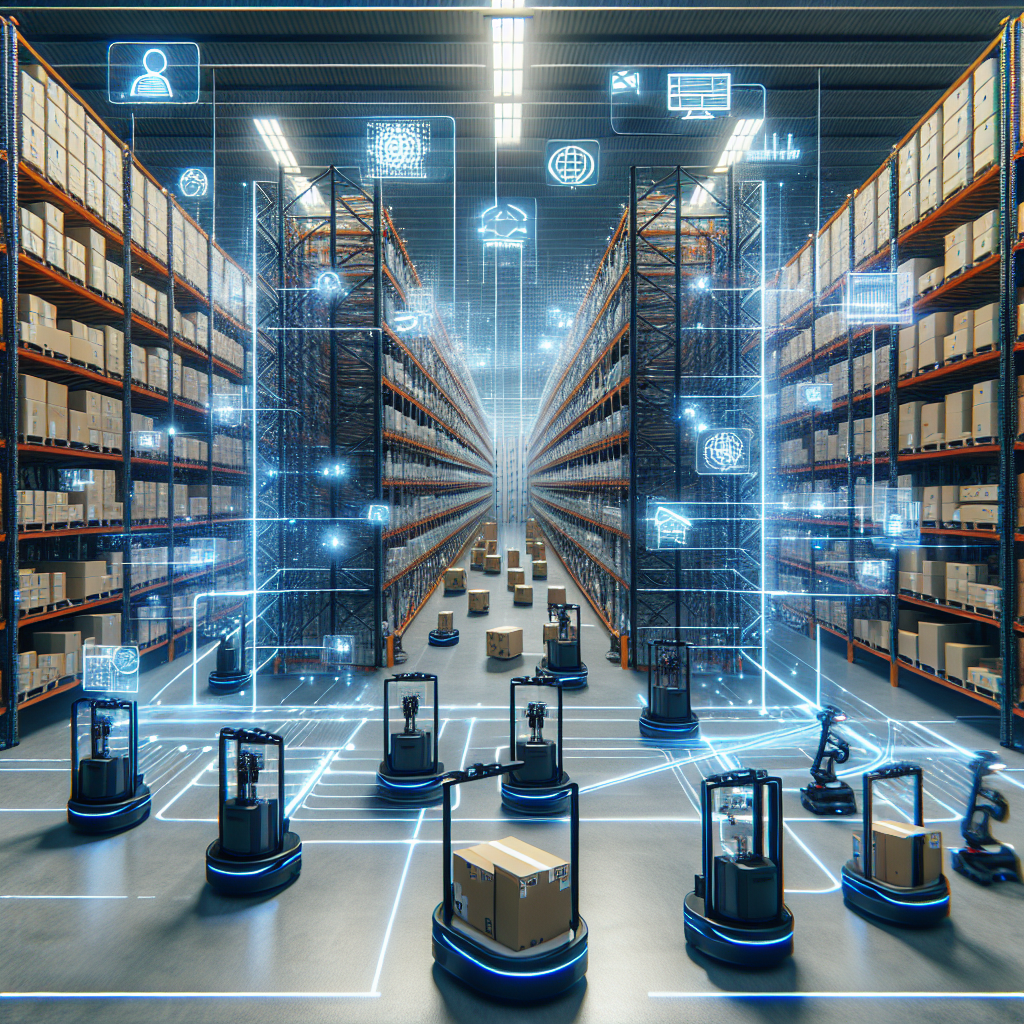
Imagine a warehouse where products move seamlessly from receiving to shipping without a single human hand touching them. This isn’t science fiction—it’s the reality of zero-touch logistics orchestration, and it’s transforming how modern supply chains operate. By combining cutting-edge technology with smart automation, companies are discovering new levels of efficiency that seemed impossible just a few years ago.
At the heart of this revolution are autonomous mobile robots AMR, working tirelessly alongside warehouse edge computing systems to create a supply chain that practically runs itself. These innovations are making warehouses smarter, faster, and more responsive to customer demands than ever before.
What Makes Zero-Touch Logistics Special?
Zero-touch logistics refers to supply chain operations where human intervention is minimized or eliminated entirely through automation. Instead of workers manually moving products, scanning items, or updating systems, intelligent machines handle these tasks with remarkable precision and speed.
This approach offers several compelling benefits. First, it dramatically reduces the risk of human error, which can be costly in warehouse operations. Second, it allows businesses to operate around the clock without fatigue or breaks. Third, it frees up human workers to focus on more strategic, value-added activities that require creativity and problem-solving skills.
Autonomous Mobile Robots: The Workhorses of Modern Warehouses
How AMRs Navigate and Adapt
Autonomous mobile robots AMR are the physical embodiment of zero-touch logistics. Unlike their predecessors—automated guided vehicles that followed fixed paths—AMRs use sophisticated sensors, cameras, and artificial intelligence to navigate dynamically through warehouse environments. They can detect obstacles, choose optimal routes, and adapt to changes in real-time.
These robots work collaboratively with human employees, creating a harmonious environment where both can leverage their unique strengths. While AMRs handle repetitive transport tasks, humans manage exception handling and strategic decision-making.
Real-World Applications
In practice, AMRs perform various essential tasks. They transport pallets and totes from receiving docks to storage locations, move inventory to picking stations for order fulfillment, and deliver finished orders to shipping areas. Some advanced AMRs even handle inventory counting and quality inspections as they navigate the warehouse floor.
Warehouse Edge Computing: The Brain Behind the Operation
While AMRs provide the muscle, warehouse edge computing serves as the intelligent nervous system of zero-touch logistics. Edge computing processes data locally, right where it’s generated, rather than sending everything to distant cloud servers. This approach dramatically reduces latency and enables split-second decision-making.
In a warehouse setting, edge computing devices analyze sensor data, coordinate robot movements, and optimize workflows in real-time. When an AMR encounters an unexpected obstacle, edge computing systems can instantly calculate alternative routes and communicate changes to other robots, preventing bottlenecks before they occur.
This local processing power also enhances security and reliability. By keeping critical operational data on-site, companies reduce their vulnerability to internet outages and cyber threats while maintaining complete control over their sensitive information.
Industry 4.0 Smart Factory Integration
Connecting the Dots
Zero-touch logistics doesn’t exist in isolation—it’s part of the broader Industry 4.0 smart factory integration movement. This fourth industrial revolution connects machines, systems, and people through the Internet of Things, creating intelligent manufacturing and logistics ecosystems.
In an integrated smart factory, warehouse operations communicate seamlessly with production lines, inventory management systems, and customer order platforms. When a customer places an order online, the entire supply chain springs into action automatically. Production schedules adjust, AMRs position materials, and edge computing systems optimize the entire workflow without manual intervention.
Data-Driven Continuous Improvement
Industry 4.0 smart factory integration generates massive amounts of operational data. Advanced analytics platforms process this information to identify patterns, predict maintenance needs, and suggest process improvements. Over time, the system becomes increasingly efficient, learning from every operation and continuously refining its performance.