





Understanding the World's Most Critical Maritime Passages
Hey there, logistics enthusiasts and supply chain professionals! Today, we’re diving into a topic that affects everything from the fuel in your car to the coffee on your breakfast table: the critical shipping chokepoints that keep global trade flowing. Specifically, we’ll explore the Red Sea and Strait of Hormuz, two narrow waterways that have become increasingly important—and vulnerable—in our interconnected world.
These maritime passages aren’t just lines on a map; they’re the arteries of global commerce. When disruptions occur in these areas, the ripples are felt across continents, affecting prices, delivery times, and business strategies worldwide. Let’s explore why these chokepoints matter so much and what you can do to protect your supply chain.
Red Sea Shipping Disruptions: A Growing Concern
The Red Sea serves as a vital connector between Asia and Europe, with the Suez Canal at its northern end acting as a shortcut that saves ships thousands of miles. However, Red Sea shipping disruptions have become more frequent in recent years, causing significant headaches for logistics managers everywhere.
Recent incidents have forced shipping companies to make tough choices: risk the direct route or take the long way around Africa’s Cape of Good Hope. The latter option adds approximately 10-14 days to voyage times and significantly increases fuel costs. For businesses operating on thin margins, these delays and additional expenses can be make-or-break situations.
The Ripple Effect on Your Business
When ships reroute around Africa, the consequences extend far beyond just longer transit times. Container availability becomes scarce at origin ports, freight rates spike due to increased demand for limited capacity, and inventory planning becomes a guessing game. If your business relies on just-in-time delivery, these disruptions can halt production lines and disappoint customers.
Strait of Hormuz Maritime Security: The Oil Gateway
Now let’s talk about the Strait of Hormuz, often called the world’s most important oil chokepoint. This narrow passage between Iran and Oman sees approximately one-third of all seaborne traded oil pass through its waters. Strait of Hormuz maritime security isn’t just an industry concern—it’s a matter of global economic stability.
The geopolitical tensions in this region can escalate quickly, and even minor incidents can send oil prices soaring. For supply chain professionals, this means constant vigilance and scenario planning. The energy costs that drive your logistics operations are directly tied to the security situation in these waters.
Beyond Oil: The Broader Impact
While oil tankers grab the headlines, the Strait of Hormuz is also crucial for liquefied natural gas (LNG) shipments and container vessels serving the Gulf states. Any disruption here doesn’t just affect energy markets; it impacts the flow of goods to and from major economic centers in the Middle East.
Tariff Impact Analysis: Adding Complexity to Disruption
Here’s where things get even more interesting. When shipping routes change due to chokepoint disruptions, the tariff impact analysis becomes crucial. Rerouting cargo might mean different ports of entry, which can trigger different tariff classifications, duties, and regulatory requirements.
For example, if your Asian-manufactured goods typically enter Europe through Mediterranean ports but now must arrive via Northern European ports due to Red Sea disruptions, you might face different import procedures, varying warehouse costs, and altered distribution strategies. Smart companies are conducting thorough tariff impact analyses to understand all their options before disruptions force hasty decisions.
Geopolitical Risk Mitigation in Logistics: Your Action Plan
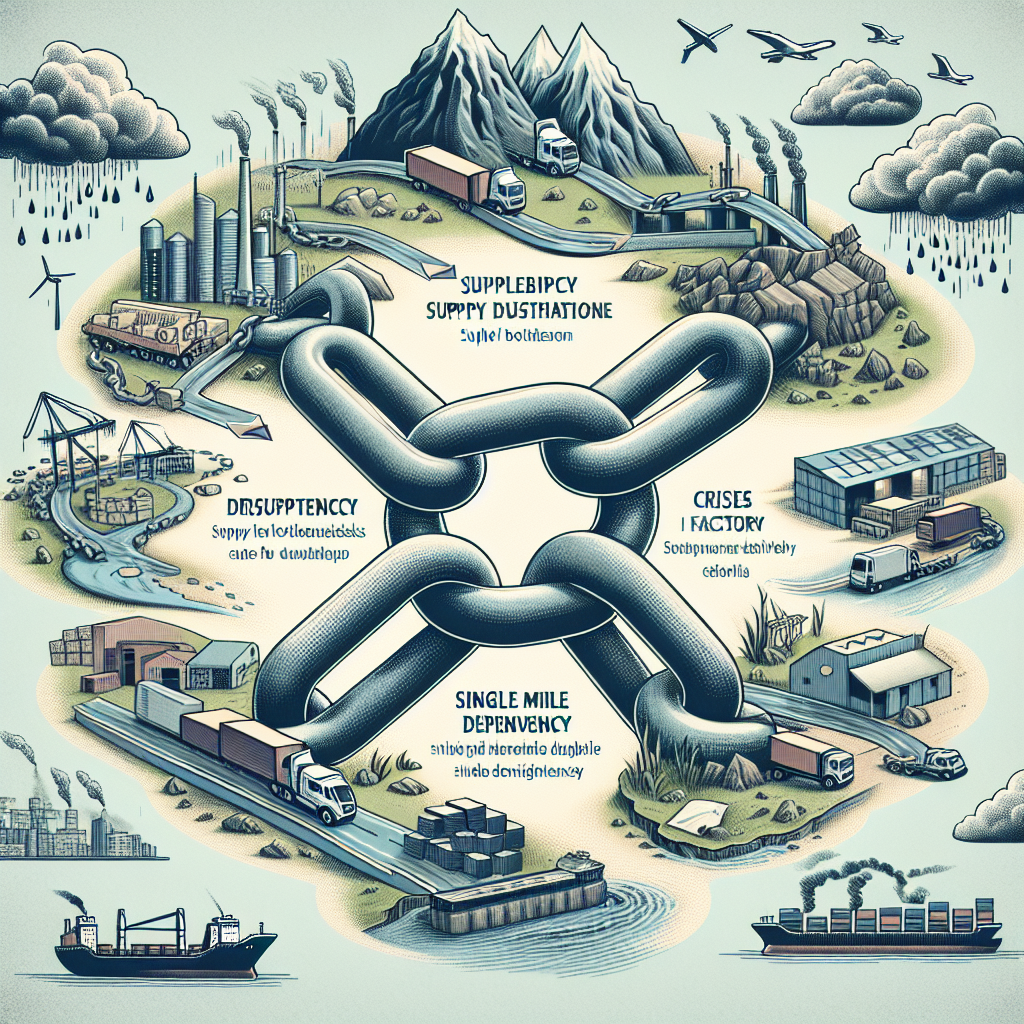
So what can you actually do about all this uncertainty? Geopolitical risk mitigation in logistics has evolved from a nice-to-have to an essential business function. Here are some practical strategies that forward-thinking companies are implementing:
Diversify Your Shipping Routes
Don’t put all your eggs in one basket—or all your containers on one route. Develop relationships with carriers that offer multiple routing options. Yes, this might mean slightly higher costs during normal times, but the insurance value during disruptions is invaluable.