






In today’s fast-paced business environment, staying ahead of customer demand while maintaining lean inventory levels has become both an art and a science. Fortunately, the integration of artificial intelligence into supply chain management is revolutionizing how companies approach planning and execution. Let’s explore how AI-powered demand forecasting is transforming operations and helping businesses achieve remarkable efficiency gains.
The Evolution of Demand Forecasting
Traditional demand forecasting methods often relied on historical sales data and simple statistical models. While these approaches served their purpose, they struggled to account for the complex variables that influence modern markets. Weather patterns, social media trends, economic indicators, and countless other factors all play a role in consumer behavior, making accurate predictions increasingly challenging.
Enter AI-powered demand forecasting. By leveraging machine learning algorithms and advanced analytics, businesses can now process vast amounts of data from multiple sources simultaneously. These intelligent systems identify patterns that human analysts might miss and continuously improve their accuracy over time. The result? More precise forecasts that help companies make smarter decisions about inventory, production, and resource allocation.
Supply Chain Analytics: The Foundation of Smart Planning
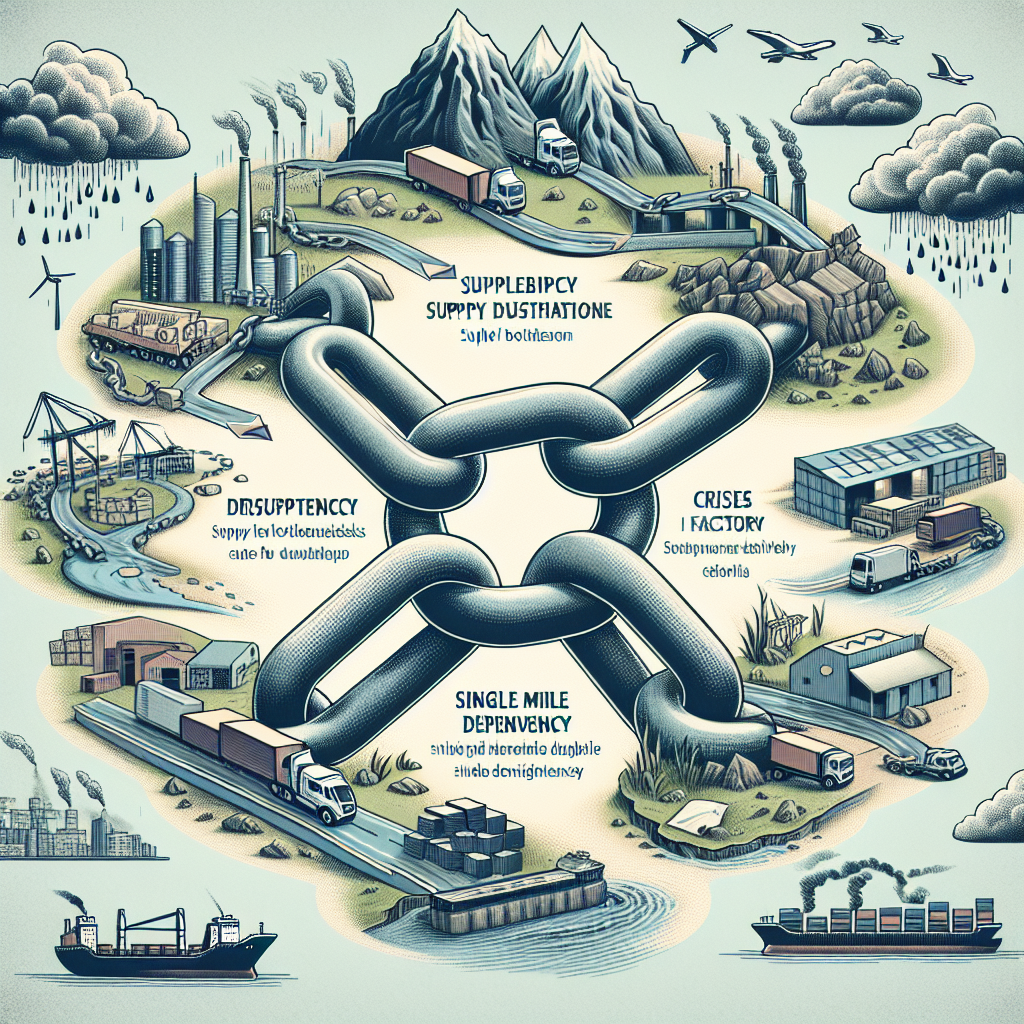
Supply chain analytics serves as the backbone of modern forecasting capabilities. By collecting and analyzing data from every touchpoint in the supply chain—from raw material suppliers to end customers—companies gain unprecedented visibility into their operations. This comprehensive view enables them to spot potential disruptions before they occur and respond proactively rather than reactively.
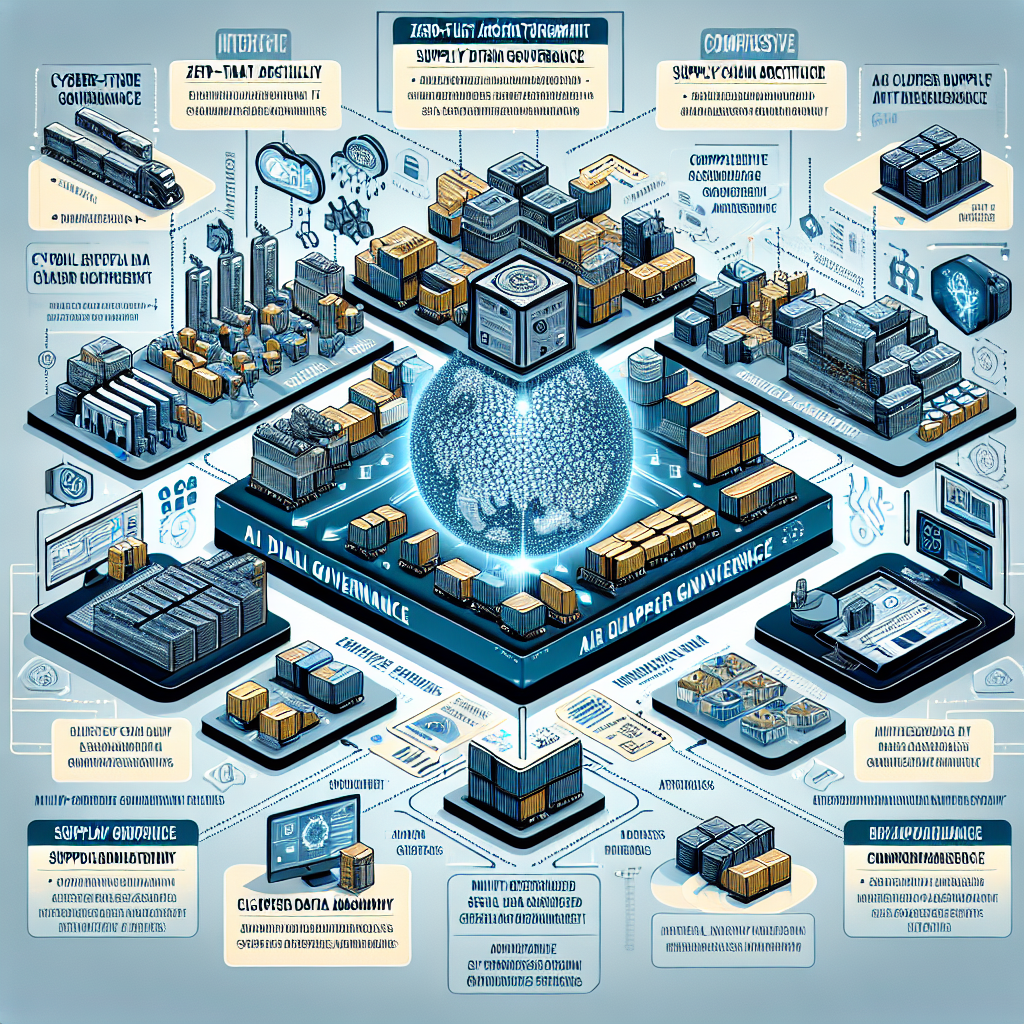
What makes supply chain analytics particularly powerful is its ability to integrate data from disparate systems. Point-of-sale information, warehouse management data, transportation logistics, and supplier performance metrics all come together to create a holistic picture of supply chain health. This integration eliminates information silos and ensures that all stakeholders are working from the same reliable data.
Continuous S&OP Planning: A Dynamic Approach
Sales and Operations Planning (S&OP) has traditionally been a monthly or quarterly exercise, but that timeline no longer meets the needs of today’s dynamic markets. Continuous S&OP planning represents a fundamental shift in how organizations synchronize demand and supply.
Real-Time Collaboration
With AI-powered tools supporting continuous S&OP planning, teams can collaborate in real-time rather than waiting for scheduled meetings. When market conditions change or unexpected events occur, the system alerts relevant stakeholders immediately, allowing for rapid decision-making and course correction.
Scenario Planning at Scale
Advanced analytics enable planners to run multiple scenarios quickly and evaluate the potential impact of different decisions. Want to know how a 10% increase in demand for a specific product would affect your supply chain? Or how a supplier delay might ripple through your operations? These questions can be answered in minutes rather than days, empowering teams to choose the best path forward with confidence.
Achieving Lead Time Reduction Through Intelligence
One of the most tangible benefits of AI-powered demand forecasting is lead time reduction. When companies can accurately predict what customers will need and when they’ll need it, they can optimize every step of their supply chain accordingly.
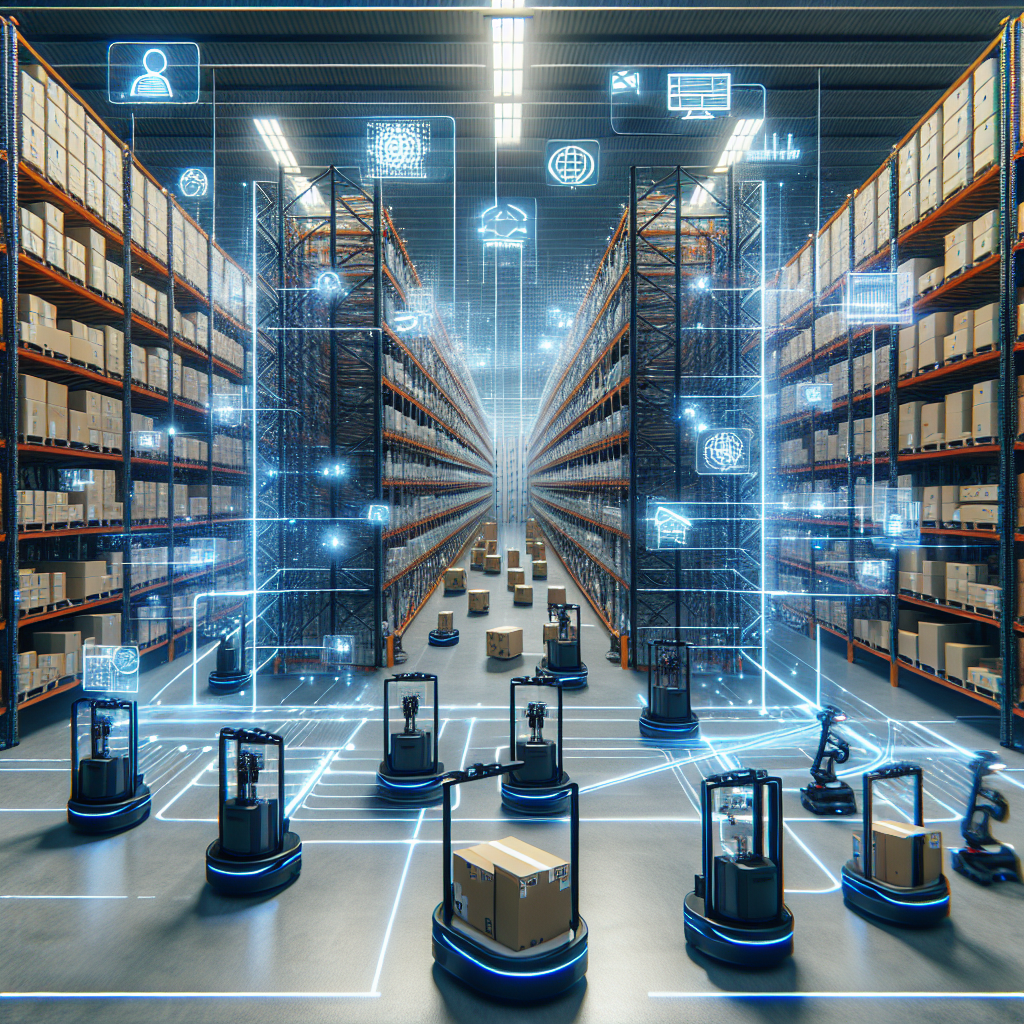
Better forecasts mean procurement teams can place orders with suppliers earlier and more accurately, reducing the rush orders and expedited shipping that inflate costs. Production schedules become more efficient when based on reliable demand signals, minimizing changeovers and maximizing throughput. Warehouse operations benefit from improved inventory positioning, ensuring products are in the right place at the right time.
The cumulative effect of these improvements can be dramatic. Companies implementing AI-powered forecasting solutions often report lead time reductions of 20-40%, which translates directly to improved customer satisfaction and competitive advantage.