







The New Reality: Why Traditional Supply Chain Security Isn’t Enough
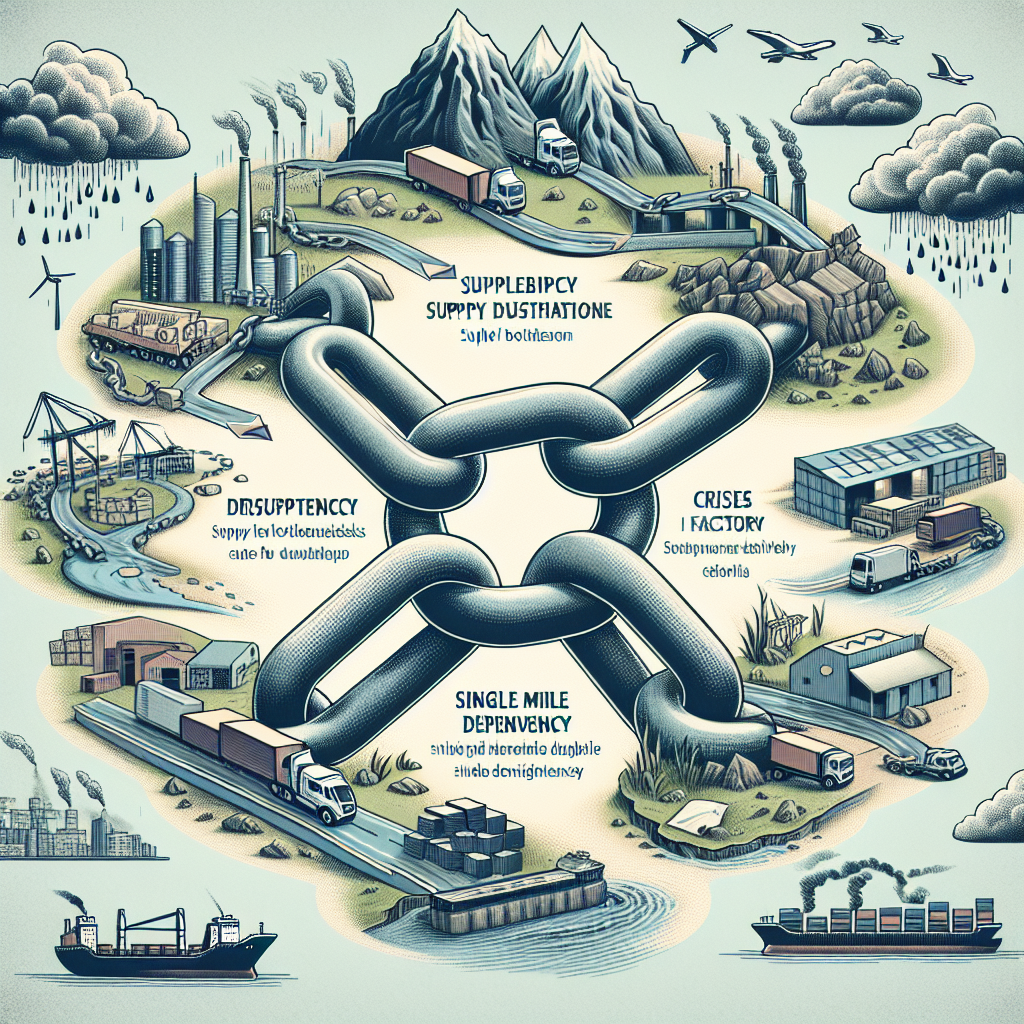
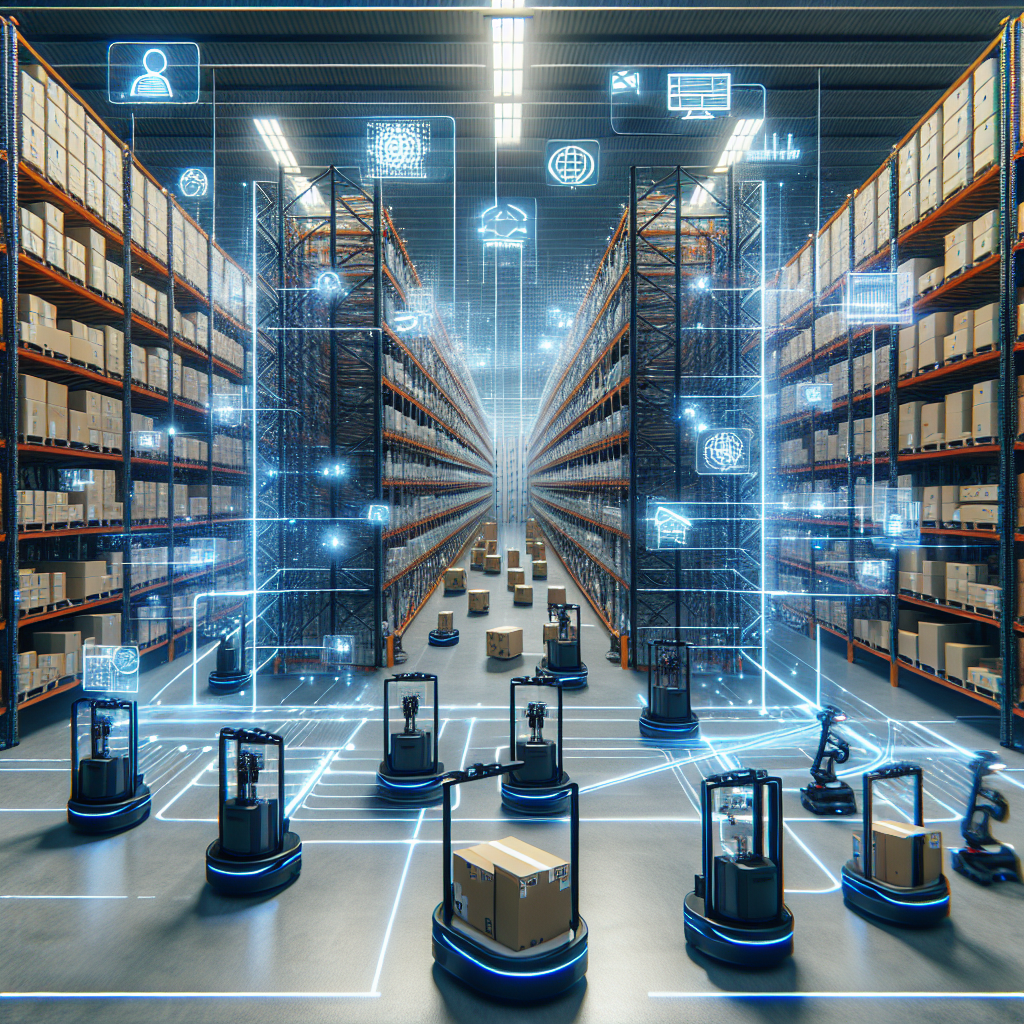
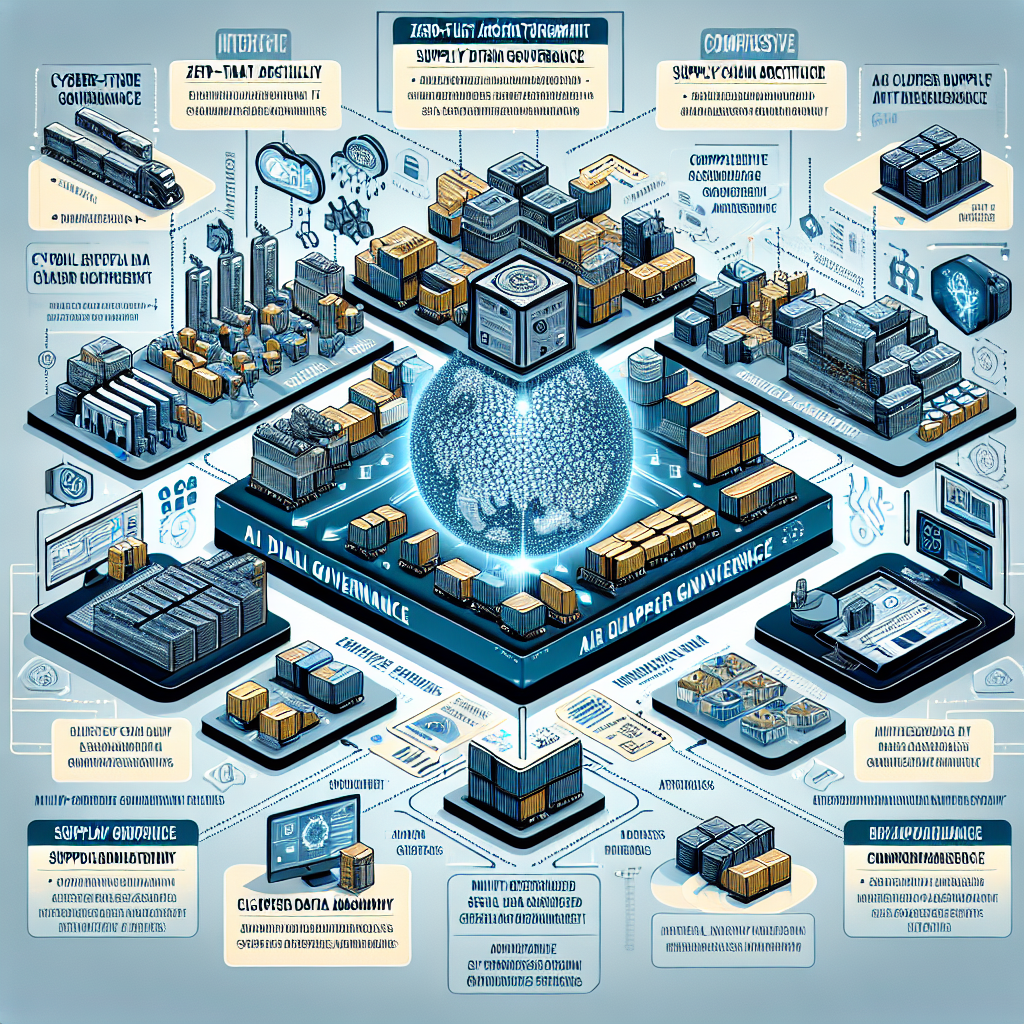
Remember when supply chain security meant locked warehouses and trusted partners? Those days are long gone. Today’s digital supply chain architecture connects thousands of suppliers, logistics providers, and technology platforms across the globe. Every connection point is a potential vulnerability, and traditional security models simply can’t keep pace with modern threats. That’s why forward-thinking organizations are embracing cyber-resilience in logistics through zero-trust supply chain architecture and robust governance frameworks.
The shift toward multi-enterprise supply chain networks has fundamentally changed how we think about security. We’re no longer protecting a fortress with defined walls. Instead, we’re managing a constantly evolving ecosystem where data flows between partners, systems, and cloud environments 24/7. This reality demands a fresh approach to supply chain IT governance that assumes nothing is trustworthy by default.
Understanding Zero-Trust Supply Chain Architecture
Zero-trust isn’t just a buzzword—it’s a fundamental rethinking of how we design secure systems. In a zero-trust supply chain architecture, every access request is verified, every transaction is authenticated, and every data exchange is monitored, regardless of where the request originates. This approach is especially critical in API-driven supply chain integration, where automated systems communicate without human oversight.
At the heart of this architecture lies supply chain identity and access management. Every entity—whether it’s a person, system, or IoT device—must prove its identity before accessing resources. This extends beyond your internal team to include suppliers, logistics partners, and even their systems. Implementing robust identity controls creates a foundation for secure data sharing in supply chain networks while maintaining the agility businesses need.
Building Blocks of Cyber-Resilient Networks
Creating resilient supply chain architecture design requires several interconnected components. First, you need strong supply chain data governance policies that define who can access what data, when, and under what circumstances. These policies must be enforceable across your entire network, including external partners and cloud supply chain architecture environments.
Second, master data management supply chain systems ensure consistency and accuracy across all platforms. When everyone works from the same reliable data foundation, you reduce errors and security gaps that attackers might exploit. Supply chain data standardization across partners creates interoperability in supply chain systems while making anomalies easier to detect.
AI Governance in Supply Chain: The Double-Edged Sword
Artificial intelligence is revolutionizing supply chain operations, from demand forecasting to autonomous logistics. However, AI governance in supply chain contexts presents unique challenges. AI systems need access to vast amounts of data to function effectively, potentially creating security risks if not properly controlled. The key is implementing governance frameworks that enable AI innovation while maintaining strict security boundaries.
Smart organizations are developing supply chain compliance frameworks that specifically address AI usage. These frameworks define what data AI systems can access, how decisions are logged for supply chain auditability, and what human oversight is required. Data lineage in supply chain systems becomes critical here—you need to track exactly how data flows through AI models and influences decisions.
Governance Frameworks That Actually Work
Let’s be honest: governance often gets a bad reputation as bureaucratic overhead. But effective enterprise supply chain architecture governance doesn’t slow you down—it enables faster, more confident decision-making. The trick is building risk governance frameworks in logistics that are comprehensive yet practical.
A solid supplier data governance program starts with clear standards for how external partners handle your data. This includes technical requirements, audit rights, and incident response procedures. When choosing suppliers, evaluate their security maturity as carefully as their pricing. The cheapest option often becomes expensive when data breaches occur.
Compliance in a Global Context
Regulatory compliance in global supply chains adds another layer of complexity. Different regions have different data protection requirements, industry-specific regulations, and customs rules. Your supply chain platform architecture needs to accommodate these variations without creating operational chaos.
Smart architecture segments data and processes based on regulatory requirements. For example, personal data subject to GDPR might be processed differently than inventory data. Cloud supply chain architecture solutions can help by offering region-specific deployments that keep data within required jurisdictions while maintaining global visibility.