







Understanding Today’s Supply Chain Challenges
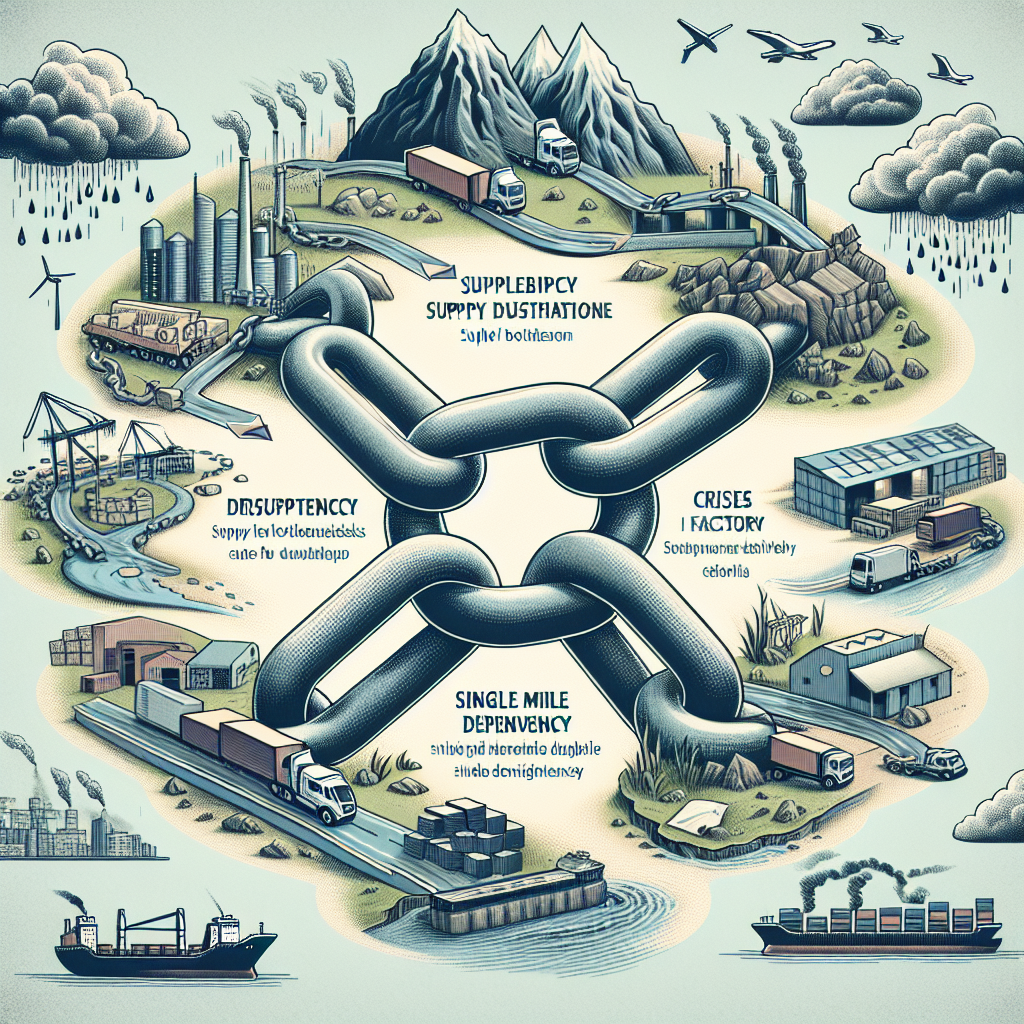
If you’ve noticed empty shelves at your local store or experienced delays in online orders, you’re not alone. Supply chain disruption has become a household term in recent years, affecting businesses and consumers worldwide. From raw material shortage to port congestion, these challenges have revealed just how interconnected our global economy truly is.
The reality is that supply chain vulnerability isn’t just a temporary inconvenience—it’s a wake-up call for organizations to rethink how they source, manufacture, and distribute products. Whether it’s a supplier failure, freight delays, or transportation bottlenecks, understanding these challenges is the first step toward building a more robust system.
Common Causes of Supply Chain Disruption
External Shocks and Natural Events
A supply chain shock can come from anywhere—natural disasters, geopolitical tensions, or global health crises. These events expose supply chain fragility and remind us that even the most sophisticated systems can be vulnerable. When a major manufacturing hub shuts down or a critical shipping route closes, the ripple effects can last for months.
Structural Weaknesses
Beyond external factors, many organizations face challenges rooted in their own supply chain design. Single source dependency is particularly risky—relying on just one supplier or manufacturer means that any problem at that source becomes your problem. This lack of diversification can quickly escalate a minor issue into a full-blown supply chain crisis.
Logistics and Transportation Issues
Even when products are ready to ship, getting them to their destination presents its own set of challenges. Logistics disruption can take many forms: overloaded ports leading to port congestion, a shortage of truck drivers creating last mile delivery problems, or specialized challenges like cold chain disruption for temperature-sensitive goods. Each supply chain bottleneck adds delays and costs that ultimately affect the end customer.
The Importance of Supply Chain Risk Management
Effective supply chain risk management isn’t about eliminating all risks—that’s impossible. Instead, it’s about identifying potential vulnerabilities, assessing their likelihood and impact, and developing strategies to minimize disruption when problems occur.
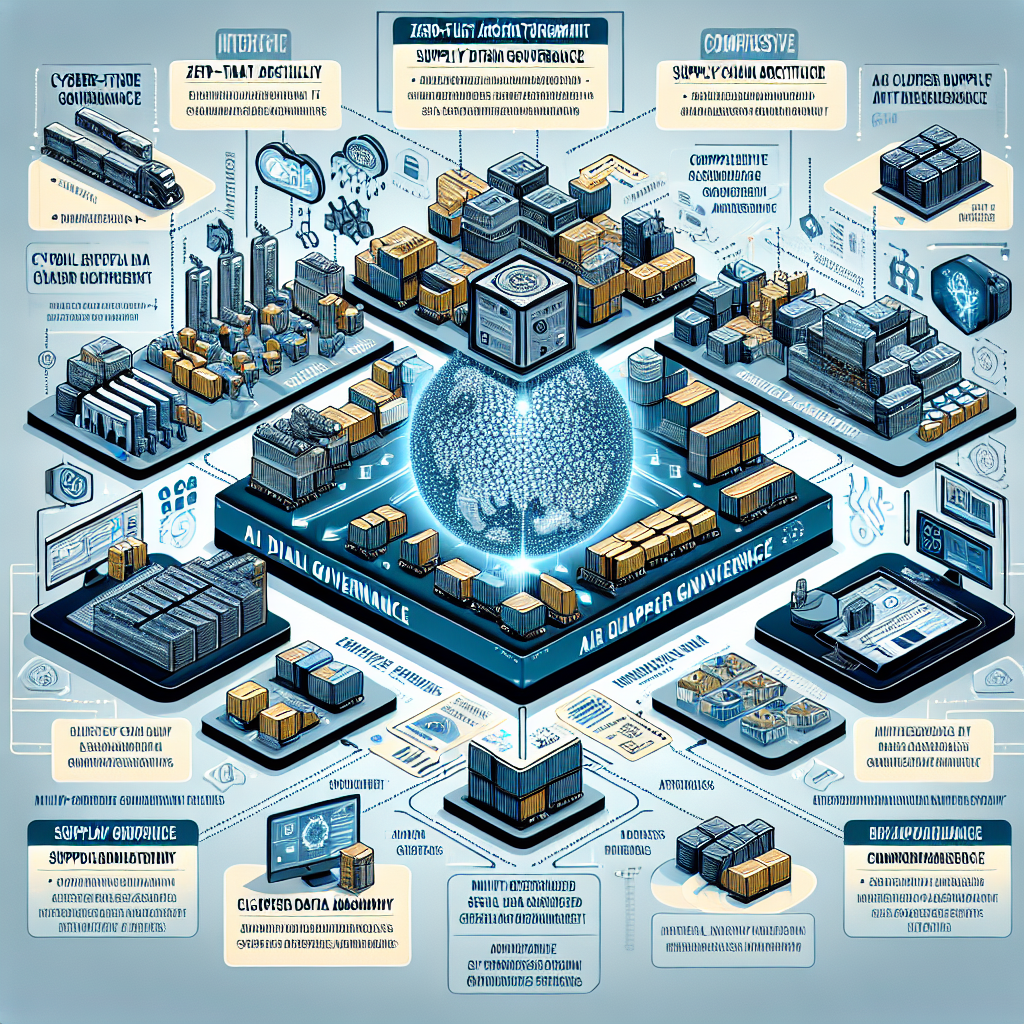
Smart risk management begins with mapping your entire supply chain. Who are your critical suppliers? Where are your products manufactured? What routes do your shipments take? Understanding these details helps you spot potential weak points before they become problems. This visibility is essential when dealing with complex issues like supply shortage or coordinating responses to unexpected freight delays.
Building Supply Chain Resilience for the Future
Diversification is Key
One of the most effective strategies for improving supply chain resilience is diversifying your supplier base. Instead of relying on a single source, develop relationships with multiple suppliers across different geographic regions. This approach provides alternatives when one supplier faces challenges and reduces the impact of regional disruptions.
Invest in Technology and Visibility
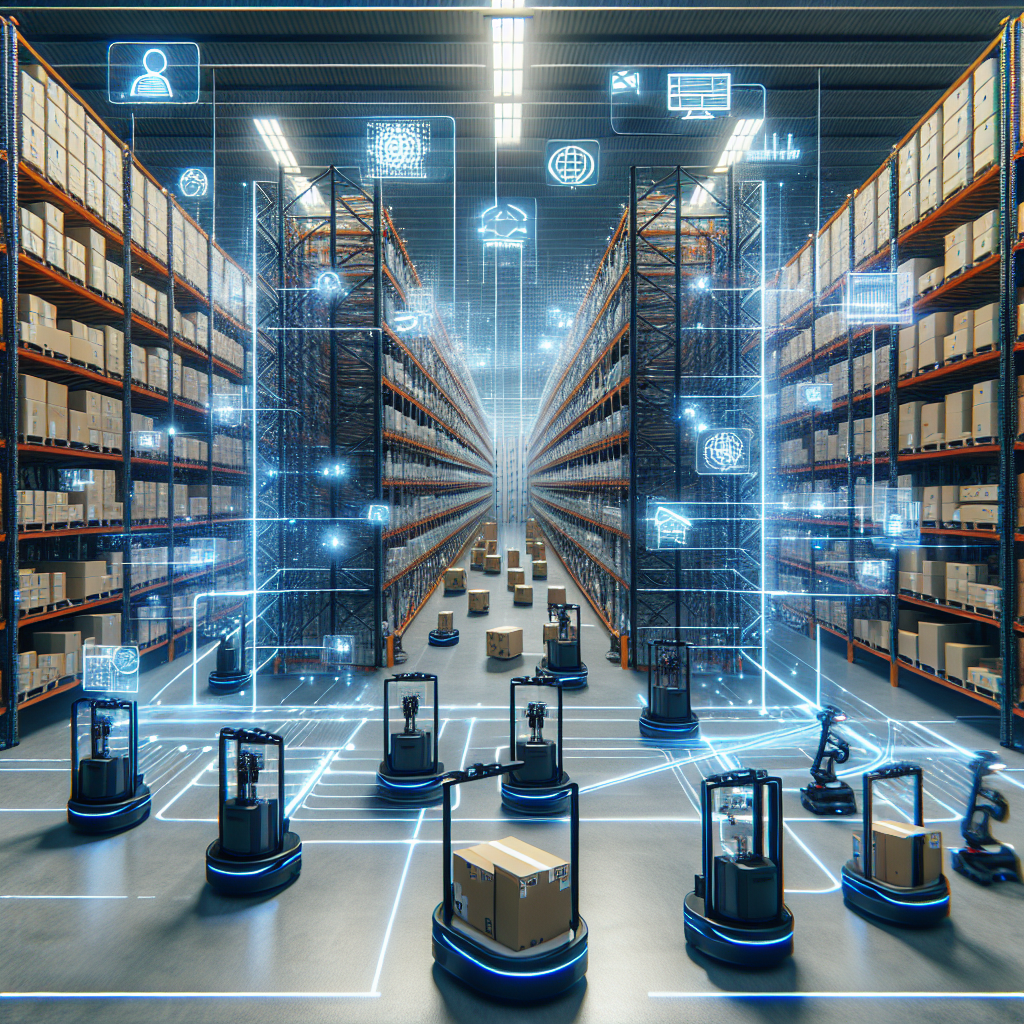
Modern technology offers unprecedented visibility into your supply chain. Real-time tracking systems, predictive analytics, and automated alerts help you identify potential problems early and respond quickly. These tools are invaluable for managing everything from raw material shortage to tracking shipments through congested transportation networks.
Build Buffer Inventory Strategically
While just-in-time inventory has its advantages, the recent supply chain crisis has shown the value of maintaining strategic buffers for critical items. This doesn’t mean returning to excessive stockpiling, but rather identifying which products or components warrant additional safety stock based on their importance and supply risk.
Strengthen Supplier Relationships
Your suppliers are partners, not just vendors. Strong relationships built on communication and mutual trust can make all the difference during difficult times. Suppliers are more likely to prioritize your orders and work collaboratively to solve problems when you’ve invested in the relationship during good times.