






Understanding Today’s Supply Chain Challenges
If you’ve noticed empty shelves at your local store or waited weeks for a package that used to arrive in days, you’re not alone. Supply chain disruption has become a household term, affecting everything from the groceries we buy to the products businesses depend on. The good news? Understanding these challenges is the first step toward building a more resilient system.
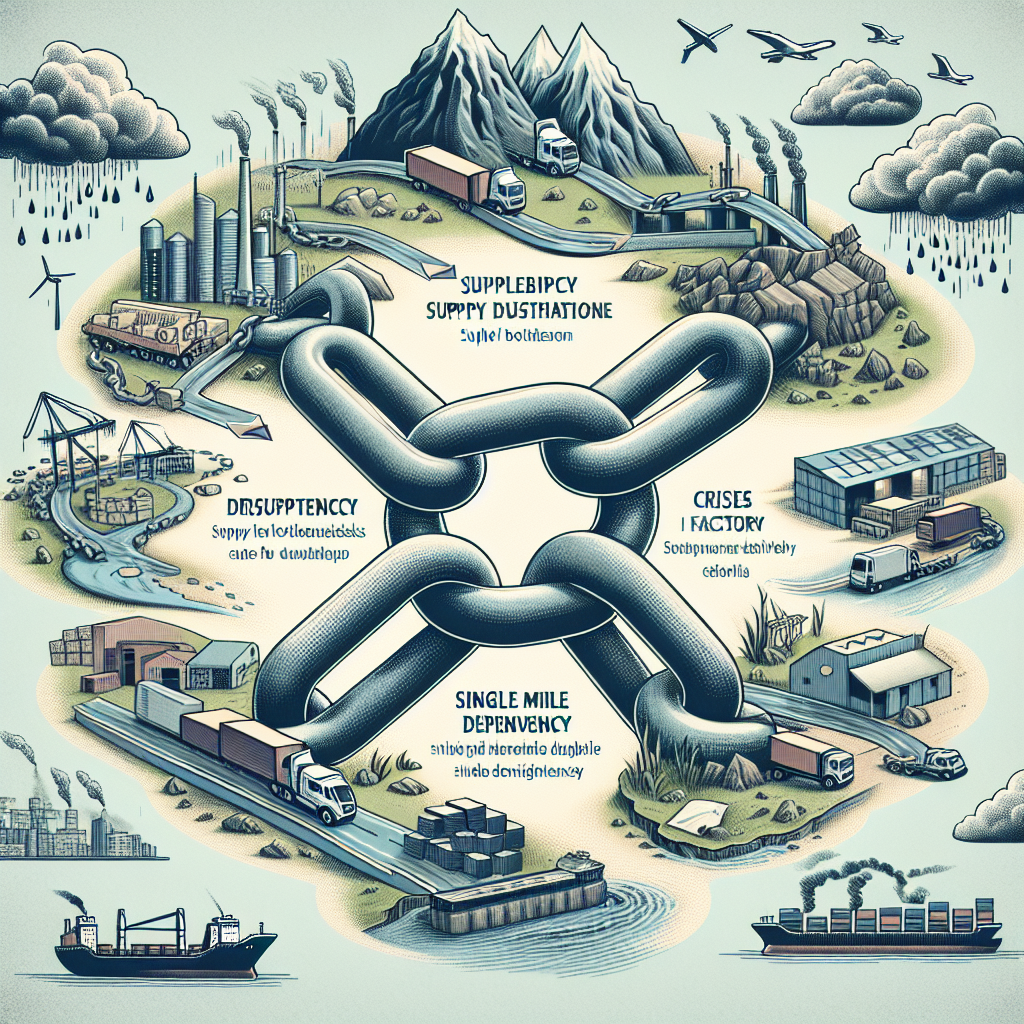
Supply chain vulnerability isn’t just about one broken link. It’s a complex web of interconnected challenges, from raw material shortage to freight delays, that can bring entire industries to a standstill. The COVID-19 pandemic exposed just how fragile our global networks can be, but it also taught us valuable lessons about preparation and adaptation.
Common Culprits Behind Supply Chain Disruption
The Dependency Dilemma
One of the biggest contributors to supply chain fragility is single source dependency. When companies rely on just one supplier for critical materials or components, they’re essentially putting all their eggs in one basket. A supplier failure at that single source can halt production entirely, creating a domino effect that ripples through the entire supply chain.
Transportation and Logistics Nightmares
Logistics disruption comes in many forms, and we’ve seen them all in recent years. Port congestion has left container ships waiting weeks to unload their cargo. Transportation bottlenecks have slowed the movement of goods across highways and railways. Even last mile delivery problems have frustrated customers waiting for their orders to arrive at their doorsteps.
Freight delays have become particularly problematic, with trucks, trains, and cargo planes all facing capacity constraints and labor shortages. When you add cold chain disruption into the mix—affecting temperature-sensitive products like vaccines and fresh food—the complexity becomes even more challenging.
Resource Scarcity and Supply Shocks
The supply shortage phenomenon extends beyond finished products. Raw material shortage has affected industries from construction to electronics, with semiconductor chips becoming perhaps the most famous example. These supply chain shocks can occur due to natural disasters, geopolitical tensions, or sudden spikes in demand that outpace production capacity.
The Cost of Supply Chain Crisis
When a supply chain bottleneck occurs, the consequences extend far beyond inconvenience. Businesses face production delays, increased costs, and lost revenue. Consumers deal with higher prices and limited product availability. The supply chain crisis we’ve witnessed has shown us that these disruptions can affect entire economies, contributing to inflation and economic uncertainty.
Supply chain risk management isn’t just a corporate buzzword—it’s a critical business function that can mean the difference between thriving and merely surviving during turbulent times.
Building Supply Chain Resilience: Practical Strategies
Diversification Is Your Friend
The antidote to single source dependency is diversification. Smart companies are now working with multiple suppliers across different geographic regions. This approach means that if one supplier experiences problems, others can pick up the slack. Yes, it might cost more upfront, but the insurance against supply chain vulnerability is worth it.
Visibility and Communication
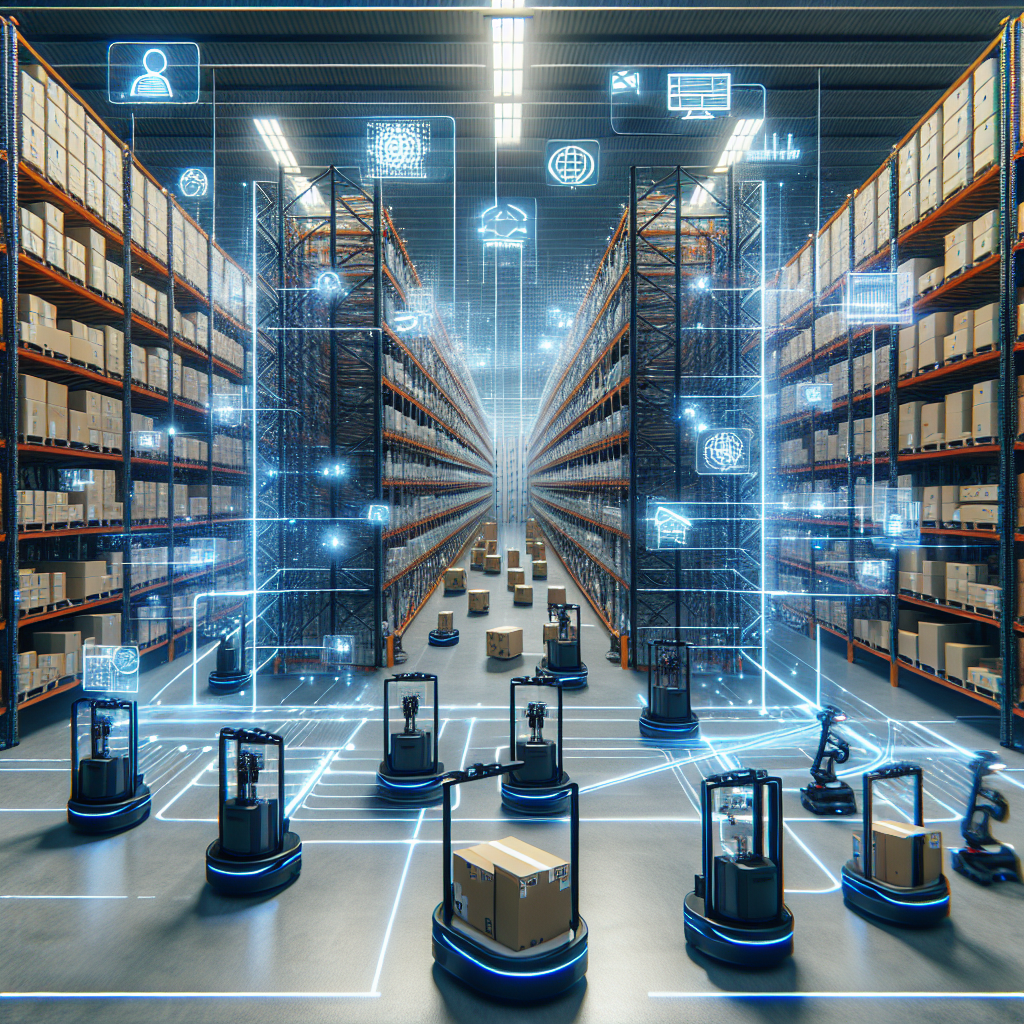
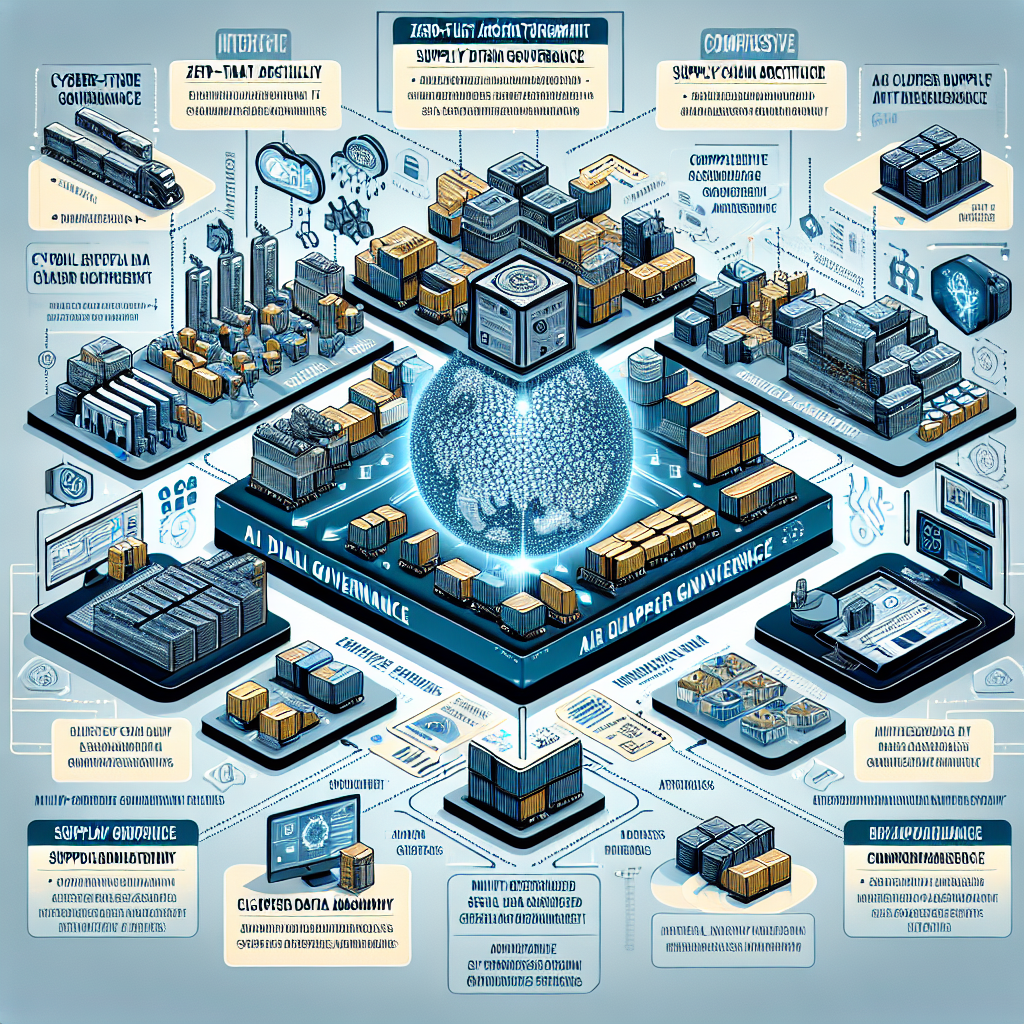
You can’t manage what you can’t see. Investing in technology that provides real-time visibility into your supply chain helps identify potential bottlenecks before they become full-blown crises. Regular communication with suppliers, logistics partners, and customers creates a network of shared awareness that benefits everyone.
Strategic Inventory Management
While just-in-time inventory was once the gold standard, many companies are now embracing a “just-in-case” approach for critical items. Maintaining strategic reserves and safety stock can buffer against supply chain shocks and keep operations running during disruptions.
Building Stronger Partnerships
Supply chain resilience isn’t built in isolation. Developing strong, collaborative relationships with suppliers and logistics providers creates a network of mutual support. When partners understand each other’s needs and challenges, they’re better equipped to work together through difficult times.