

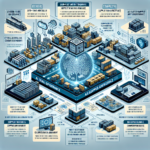





The Dawn of Autonomous Supply Chain Management
Imagine a factory floor where materials move seamlessly from receiving to production without a single manual intervention. This isn’t science fiction—it’s the reality of zero-touch logistics orchestration, and it’s revolutionizing how modern manufacturers operate. By combining autonomous mobile robots AMR with warehouse edge computing, companies are achieving unprecedented levels of efficiency and accuracy in their supply chain operations.
The traditional factory relied heavily on human coordination, paperwork, and manual material handling. Today’s smart factories are different. They’re powered by intelligent systems that communicate, decide, and execute logistics tasks autonomously, creating a fluid ecosystem where products and materials know exactly where they need to be and when.
What Makes Zero-Touch Logistics Orchestration Special
Zero-touch logistics orchestration represents a fundamental shift in how we think about material flow. Instead of workers receiving instructions, moving items, and confirming tasks, the entire process happens automatically through interconnected systems. Sensors detect when materials arrive, algorithms calculate optimal routing, and autonomous mobile robots AMR spring into action without human prompting.
This approach eliminates the delays and errors that come with manual processes. There’s no waiting for paperwork to be processed or for someone to check their email. The system responds in real-time, adapting to changing conditions on the factory floor instantly. It’s like having an invisible conductor orchestrating a symphony of machines, materials, and data.
The Power Duo: AMRs and Edge Computing
Why Autonomous Mobile Robots Are Game-Changers
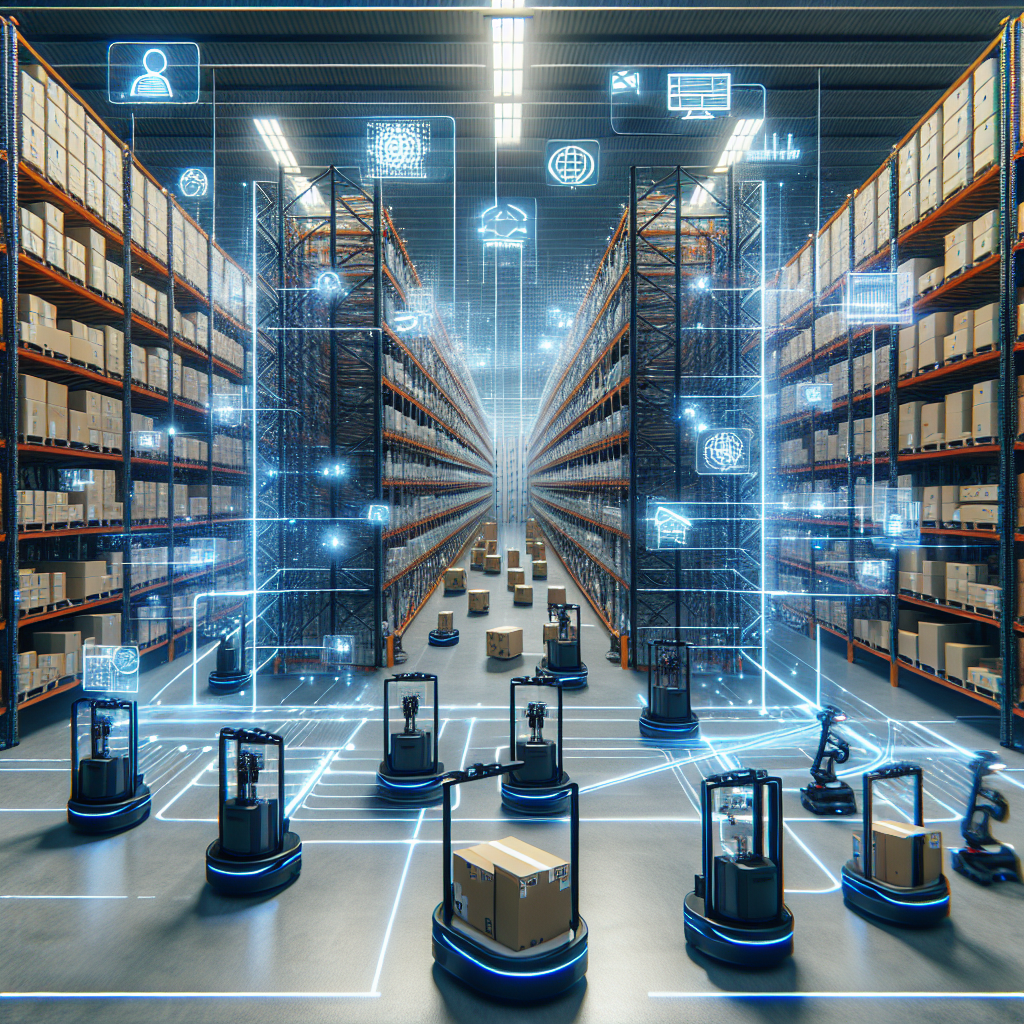
Autonomous mobile robots AMR have evolved far beyond their predecessors. Unlike traditional AGVs that follow fixed paths, modern AMRs navigate dynamically using sophisticated sensors and artificial intelligence. They can detect obstacles, choose alternative routes, and even collaborate with other robots to optimize traffic flow across the facility.
These intelligent machines handle everything from transporting raw materials to moving finished goods, working tirelessly around the clock. They integrate seamlessly into Industry 4.0 smart factory integration frameworks, communicating with manufacturing execution systems, inventory management platforms, and quality control stations. The result is a self-organizing logistics network that adapts to production demands in real-time.
Edge Computing: The Brain Behind the Operation
Here’s where warehouse edge computing enters the picture. Traditional cloud-based systems introduce latency—those crucial milliseconds it takes for data to travel to distant servers and back. In a fast-moving factory environment, those delays can disrupt the smooth flow of operations.
Edge computing solves this by processing data right where it’s generated—on the factory floor. When an AMR needs to make a split-second navigation decision or when inventory levels trigger a replenishment order, the processing happens locally through edge devices. This eliminates lag, enhances reliability, and reduces bandwidth costs. It’s the difference between thinking and acting simultaneously versus thinking, waiting, then acting.
Industry 4.0 Smart Factory Integration in Action
The beauty of Industry 4.0 smart factory integration lies in how different technologies work together harmoniously. Your enterprise resource planning system detects that production line three needs more components. This information flows to the warehouse management system, which then communicates with the fleet management software controlling your AMRs.
An available robot receives the task, navigates to the correct storage location, picks up the materials, and delivers them precisely where needed—all without human intervention. Meanwhile, warehouse edge computing devices monitor the entire process, analyzing performance metrics, predicting maintenance needs, and optimizing future routing decisions based on real-time traffic patterns.
This level of integration extends beyond just moving materials. Quality control systems can automatically trigger rework logistics, production data can instantly adjust inventory reorder points, and maintenance schedules can dynamically adapt based on actual equipment usage rather than fixed calendars.