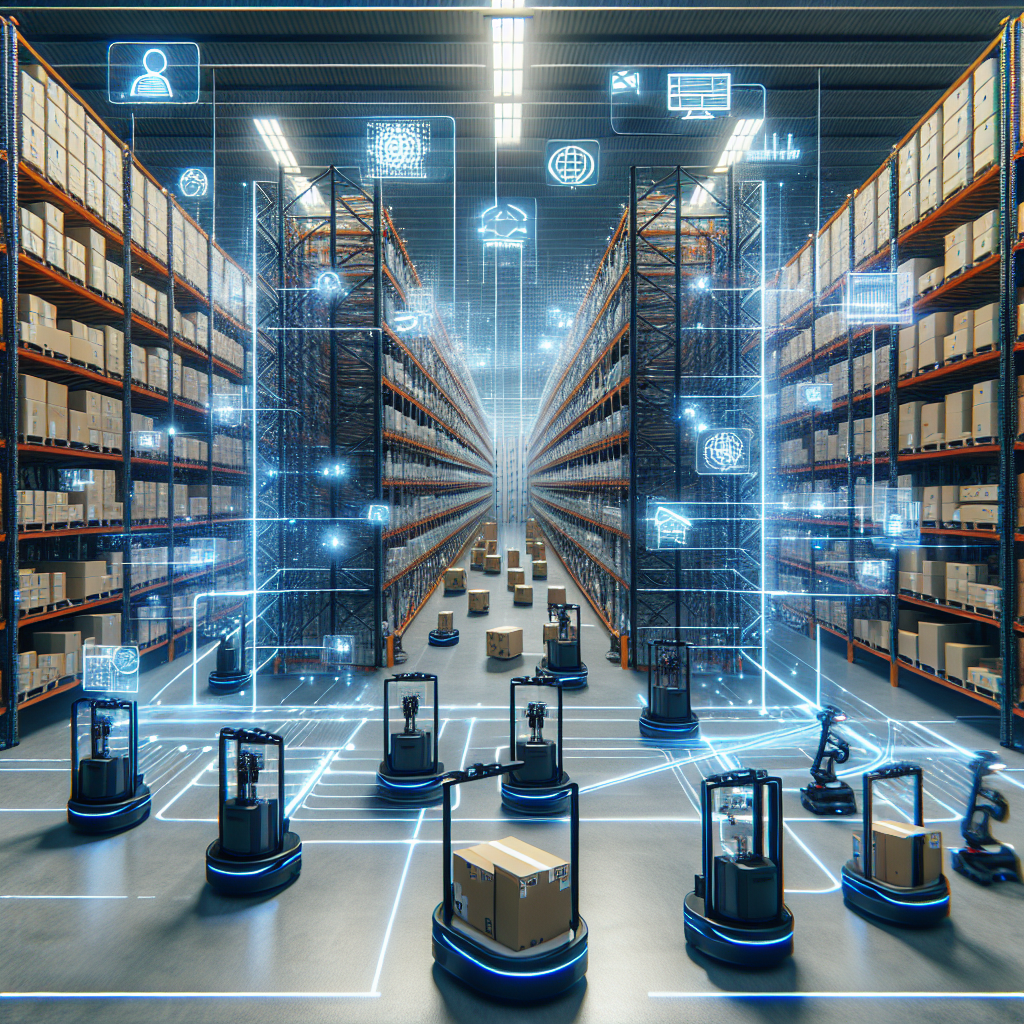






Supply chains have always been the backbone of global commerce, but they’re undergoing a transformation unlike anything we’ve seen before. Thanks to agentic AI in supply chain operations, we’re entering an era where intelligent systems don’t just assist—they make decisions, take action, and continuously optimize logistics operations with minimal human intervention.
What Makes Agentic AI Different in Supply Chain Management?
When we talk about AI in supply chain management, we’re often referring to tools that analyze data and provide recommendations. But agentic AI takes this several steps further. These systems are autonomous, goal-oriented, and capable of executing complex tasks across the entire supply chain ecosystem without constant human oversight.
Think of agentic AI as having a team of tireless experts working 24/7, each specialized in different aspects of your supply chain. They learn from every transaction, adapt to changing market conditions, and collaborate with each other to optimize outcomes across the board.
Autonomous Procurement Agents: Your Digital Purchasing Team
One of the most exciting applications of this technology is the emergence of autonomous procurement agents. These intelligent systems are revolutionizing how organizations source materials, negotiate with suppliers, and manage vendor relationships.
How Autonomous Agents Transform Procurement
Autonomous procurement agents continuously monitor inventory levels, predict future needs using AI-powered demand forecasting, and automatically initiate purchase orders when certain thresholds are met. They analyze supplier performance data, compare pricing across vendors, and even negotiate terms based on predefined parameters and historical data.
What’s remarkable is their ability to learn and improve over time. These agents recognize patterns in supplier reliability, delivery times, and quality metrics, adjusting their procurement strategies accordingly. They can identify potential supply disruptions before they happen and proactively source alternative suppliers to maintain business continuity.
Real-World Benefits
Organizations implementing autonomous procurement agents are seeing dramatic reductions in procurement cycle times—often cutting days or even weeks from the traditional process. They’re also achieving better pricing through constant market monitoring and the ability to capitalize on optimal purchasing windows that human teams might miss.
Supply Chain Digital Twins: Your Virtual Operations Mirror
Another groundbreaking development in cognitive supply chain automation is the use of supply chain digital twins. These are virtual replicas of your entire supply chain—from manufacturing facilities and warehouses to transportation networks and distribution centers.
A digital twin isn’t just a static model; it’s a living, breathing simulation that updates in real-time based on actual data from your operations. This technology allows you to test scenarios, identify bottlenecks, and optimize processes without risking disruption to your actual supply chain.
Testing Before Implementing
Imagine being able to simulate the impact of opening a new distribution center, changing shipping routes, or switching suppliers—all before making any real-world commitments. Digital twins make this possible, allowing supply chain managers to make data-driven decisions with unprecedented confidence.
These virtual environments incorporate countless variables, from weather patterns affecting transportation to seasonal demand fluctuations, creating incredibly accurate predictions of how changes will ripple through your supply chain.
Generative AI for Logistics: Creating Smart Solutions
Generative AI for logistics is opening up entirely new possibilities for optimization and problem-solving. Unlike traditional AI that recognizes patterns in existing data, generative AI can create new solutions, design optimal routes, and even generate contingency plans for scenarios that have never occurred before.
This technology excels at creating customized shipping schedules that balance multiple competing priorities—cost, speed, carbon footprint, and reliability. It can generate loading plans that maximize container space utilization while ensuring delicate items are properly protected and prioritized shipments remain accessible.
AI-Powered Demand Forecasting: Seeing the Future More Clearly
Accurate demand forecasting has always been the holy grail of supply chain management, and AI-powered demand forecasting is making it more achievable than ever. Modern systems don’t just look at historical sales data—they incorporate weather patterns, social media trends, economic indicators, competitor activities, and countless other variables to predict future demand with remarkable accuracy.