






Understanding the Circular Supply Chain Revolution
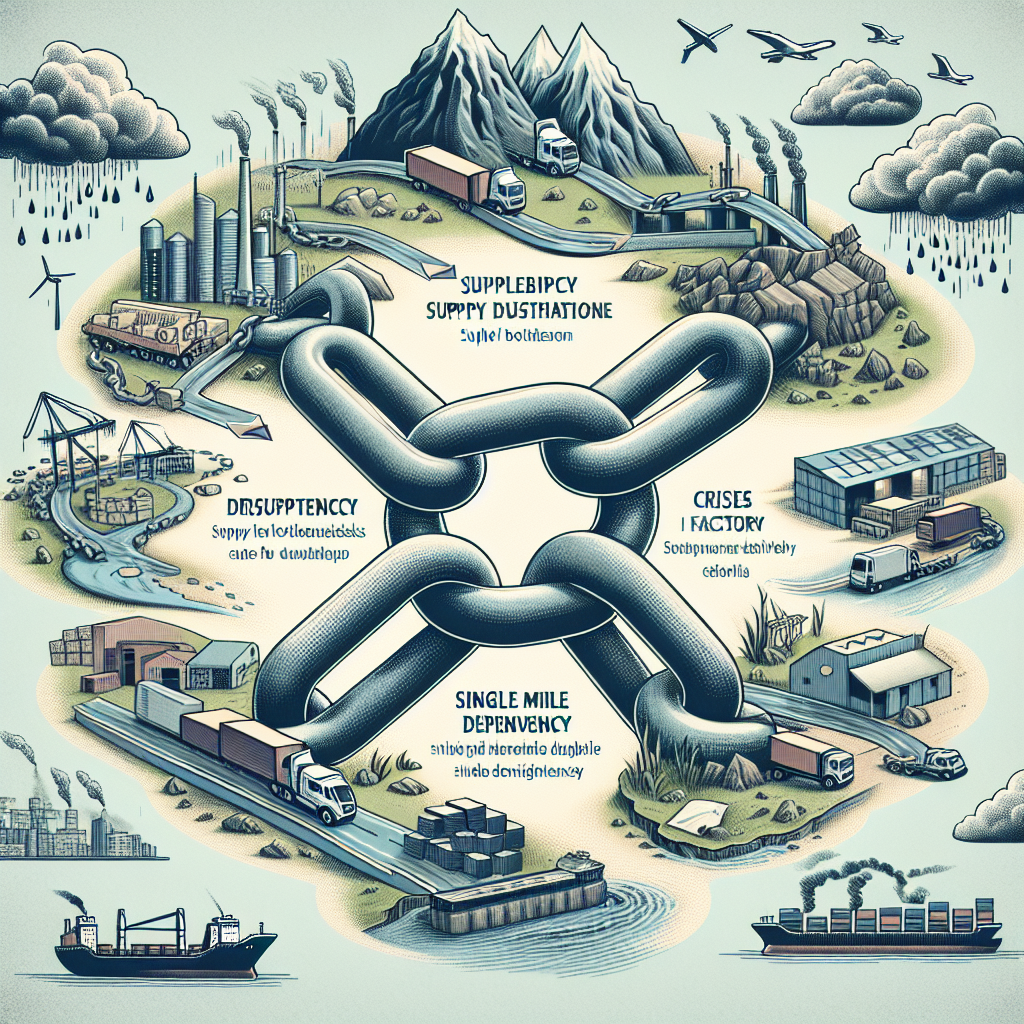
Hey there, sustainability champions! If you’re reading this, you’re probably aware that traditional linear supply chains—the old “take, make, dispose” model—just aren’t cutting it anymore. The future belongs to circular supply chain management, where resources loop back into the system rather than ending up in landfills. This isn’t just good for the planet; it’s becoming essential for business survival as regulations tighten and consumers demand more responsible practices.
The journey to supply chain sustainability might seem daunting, but with the right roadmap, your organization can make meaningful progress toward net-zero goals. Let’s break down the essential components that will transform your supply chain from linear to circular, reducing waste, cutting emissions, and creating lasting value along the way.
Building Your Net-Zero Supply Chain Roadmap
Creating a net-zero supply chain roadmap starts with understanding where you are today and where you need to go. Think of it as plotting a course on a map—you need clear waypoints and milestones. The good news? You don’t have to tackle everything at once. A phased approach allows you to build momentum and demonstrate wins that justify further investment.
Your roadmap should prioritize high-impact areas first. For most companies, this means addressing Scope 3 emissions tracking, which typically accounts for 70-90% of your carbon footprint. These are the indirect emissions from your value chain, including suppliers, transportation, and product end-of-life. By mapping these emissions comprehensively, you’ll identify the biggest opportunities for reduction and create a baseline for measuring progress.
Setting Realistic Milestones and Metrics
Success requires measurable goals. Establish quarterly and annual targets that move you progressively toward your net-zero commitment. Whether it’s reducing carbon intensity by a certain percentage, increasing recycled content in products, or achieving specific reverse logistics for circularity rates, make sure your metrics are SMART: Specific, Measurable, Achievable, Relevant, and Time-bound.
Mastering Scope 3 Emissions Tracking
Let’s be honest—Scope 3 emissions tracking is where many companies struggle. Unlike Scope 1 and 2 emissions from your direct operations and purchased energy, Scope 3 covers everything else: your suppliers’ suppliers, transportation providers, business travel, employee commutes, and even what happens to your products after customers use them. It’s complex, but it’s also where the biggest impact lies.
Start by categorizing your Scope 3 emissions into the 15 categories defined by the Greenhouse Gas Protocol. Not all categories will be material to your business, so focus your efforts accordingly. Collaborate with your procurement team to gather primary data from suppliers whenever possible, as this provides far more accuracy than industry averages or estimates.
Carbon Accounting for Tier 3 Suppliers
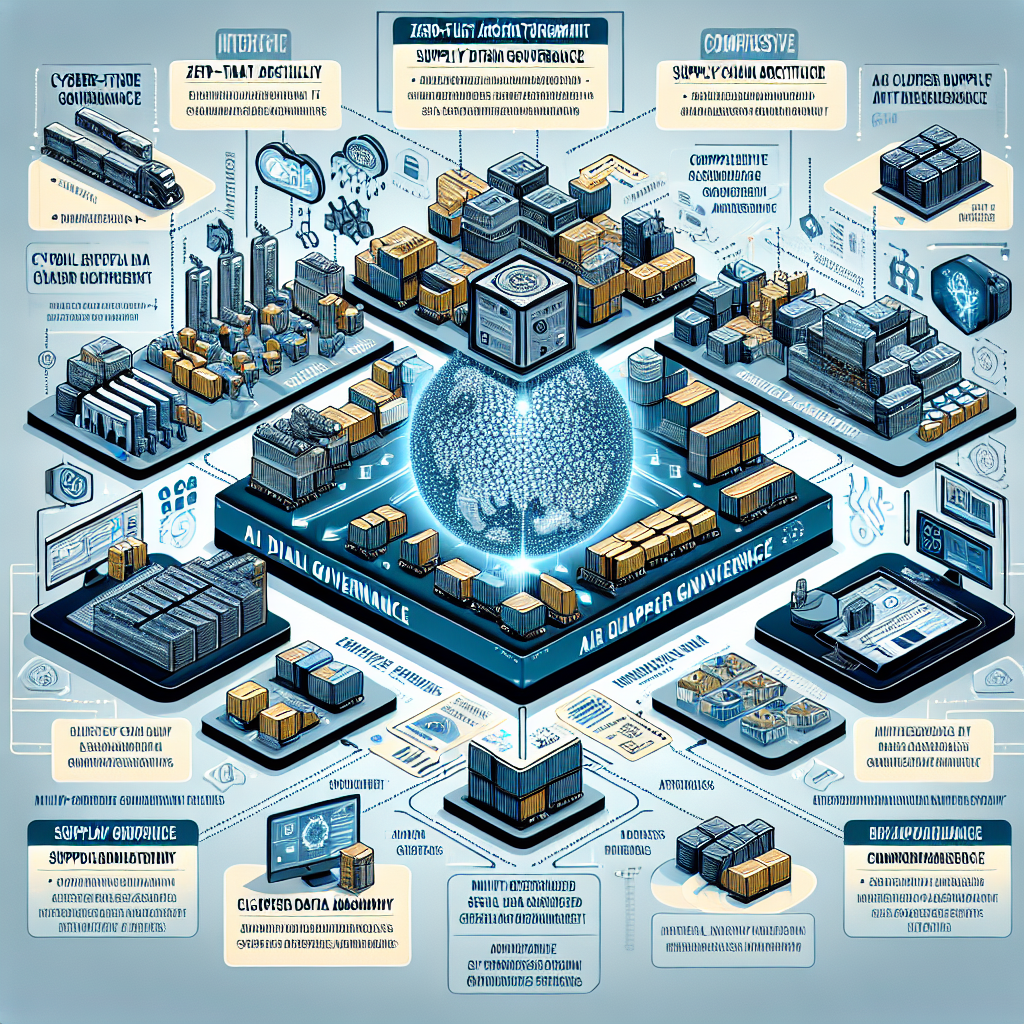
Here’s where things get really interesting. Carbon accounting for Tier 3 suppliers—those suppliers several steps removed from your direct purchasing relationships—presents unique challenges. You may not even know who they all are, let alone have direct influence over their operations. However, transparency and engagement at this level are increasingly critical for comprehensive emissions reduction.
Consider implementing a supplier engagement program that cascades sustainability requirements down the supply chain. Provide resources, training, and incentives to help your Tier 1 and Tier 2 suppliers influence their own suppliers. Some forward-thinking companies are creating supplier councils or platforms where best practices can be shared and collective action can be coordinated across the network.