





The Evolution of Demand Forecasting
Remember when supply chain planning meant staring at spreadsheets for hours, trying to predict what customers might want next quarter? Those days are quickly becoming a distant memory. Today’s AI-powered demand forecasting is revolutionizing how businesses anticipate customer needs, manage inventory, and optimize their entire supply chain operations.
Traditional demand forecasting methods relied heavily on historical data and manual analysis, often leaving companies vulnerable to market fluctuations and unexpected changes in consumer behavior. But with artificial intelligence entering the scene, we’re witnessing a transformation that’s making supply chain analytics smarter, faster, and remarkably more accurate.
How AI-Powered Demand Forecasting Changes the Game
AI-powered demand forecasting takes traditional methods and supercharges them with machine learning algorithms that can process massive amounts of data in real-time. Instead of just looking at past sales figures, these intelligent systems analyze everything from weather patterns and social media trends to economic indicators and seasonal variations.
What makes this technology truly exciting is its ability to learn and improve over time. The more data it processes, the better it becomes at identifying patterns and predicting future demand with impressive precision. This means fewer stockouts, reduced excess inventory, and happier customers who get what they want when they want it.
Continuous S&OP Planning: A New Approach to Business Alignment
One of the most significant benefits of AI in supply chain management is how it enables continuous S&OP planning. Traditional Sales and Operations Planning cycles typically happened monthly or quarterly, which meant businesses were often making decisions based on outdated information.
With continuous S&OP planning powered by AI, organizations can now monitor and adjust their strategies in real-time. This dynamic approach ensures that sales, operations, finance, and leadership teams are always working with the latest insights, making collaboration more effective and decisions more informed.
Breaking Down Silos
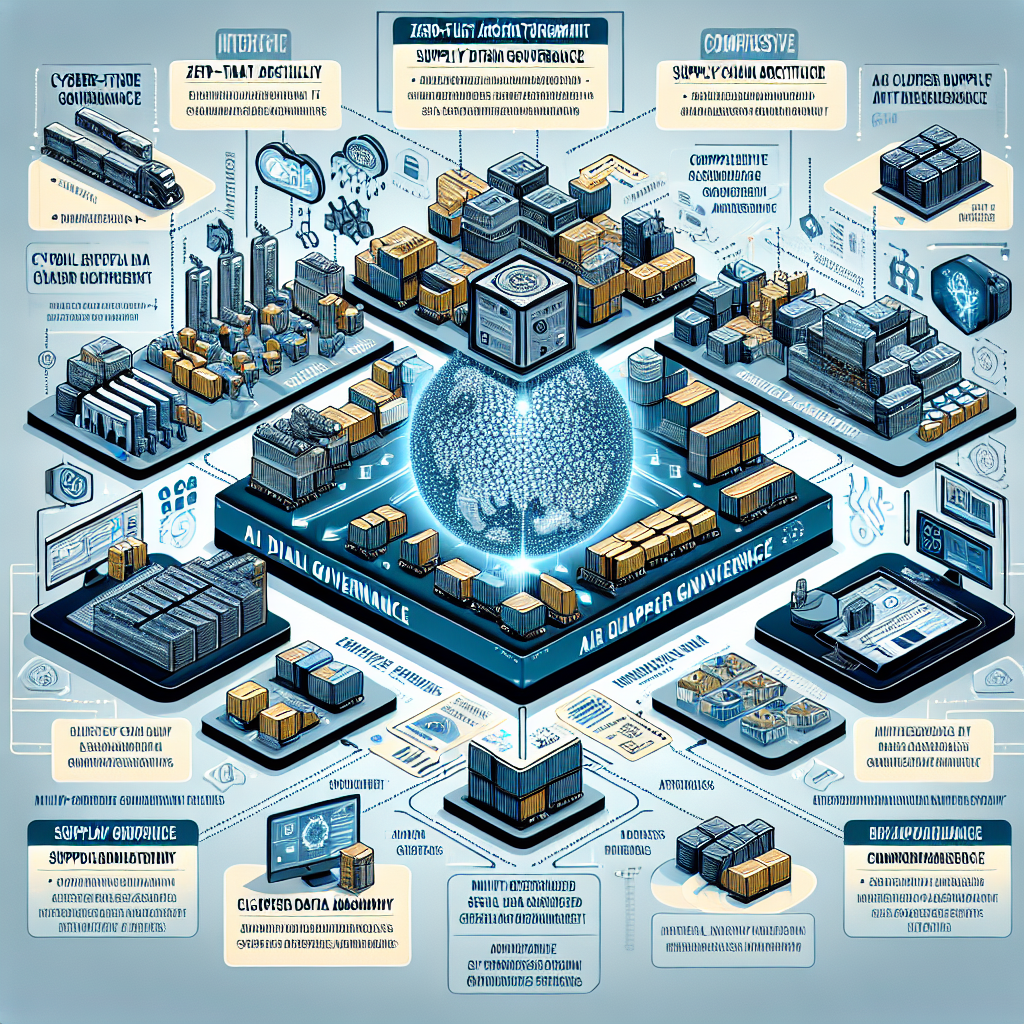
AI-driven platforms create a single source of truth that all departments can access and trust. Marketing can see real-time inventory levels, operations can understand upcoming promotional campaigns, and finance can accurately project cash flow based on actual demand signals rather than gut feelings.
Supply Chain Analytics: From Reactive to Proactive
Supply chain analytics has evolved from simply reporting what happened last month to predicting what’s likely to happen next month—and even next year. This shift from reactive to proactive management is a game-changer for businesses of all sizes.
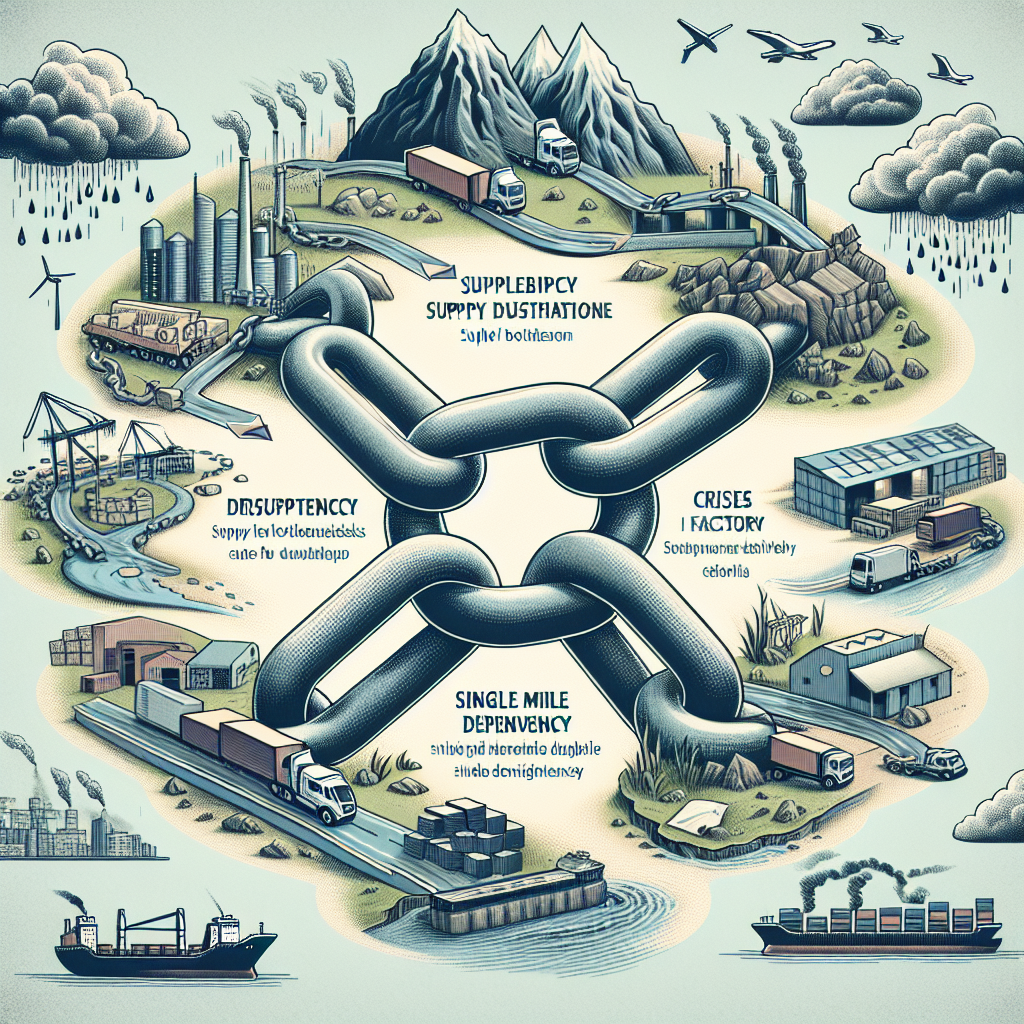
Modern analytics platforms can identify potential disruptions before they occur, suggest optimal reorder points, and even recommend supplier alternatives when risks are detected. This level of insight helps companies build more resilient supply chains that can weather unexpected storms, whether that’s a sudden spike in demand or a supplier issue halfway across the world.
Real-Time Visibility
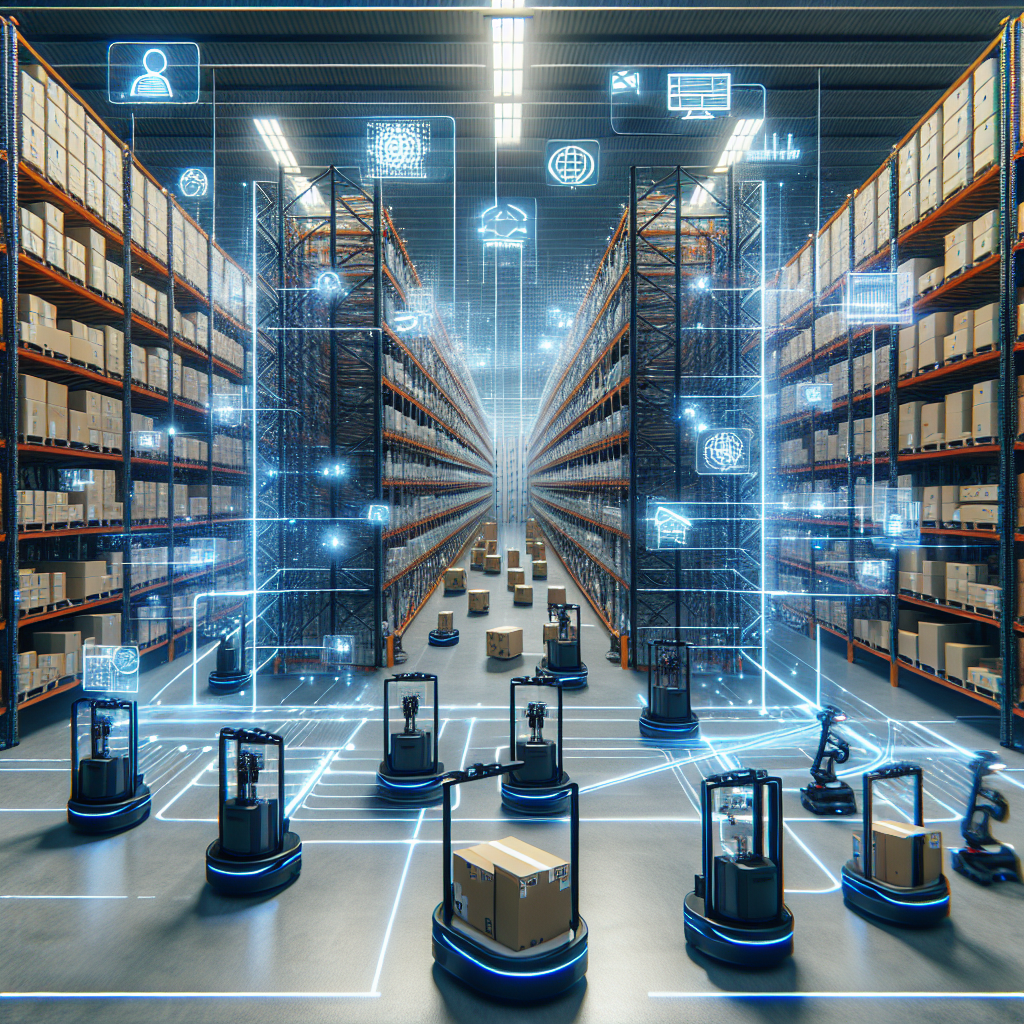
The beauty of AI-enhanced supply chain analytics is the visibility it provides across the entire network. Decision-makers can see exactly where products are, where they’re going, and where bottlenecks might occur—all from a single dashboard that updates continuously.
Lead Time Reduction: Speed Meets Efficiency
One of the most tangible benefits of AI-powered demand forecasting is significant lead time reduction. When you can accurately predict what customers will need and when they’ll need it, you can optimize every step of your supply chain to deliver faster.
AI helps identify opportunities to reduce lead times by analyzing the entire production and distribution process. Maybe it discovers that ordering certain materials earlier reduces rush fees, or perhaps it finds that shifting production schedules by just a day or two significantly improves delivery times.
Strategic Inventory Positioning
Smart demand forecasting also informs where inventory should be positioned geographically. By analyzing regional demand patterns, AI can suggest optimal distribution center locations and inventory levels, ensuring products are closer to customers when they need them, naturally reducing lead times.