







Understanding Today's Supply Chain Disruption Landscape
If you’ve noticed empty shelves at your local store or experienced delays in online orders, you’re witnessing firsthand the impact of supply chain disruption. In today’s interconnected global economy, even minor hiccups can cascade into major challenges that affect businesses and consumers alike. The good news? By understanding these disruptions and building resilience, companies can navigate even the roughest waters.
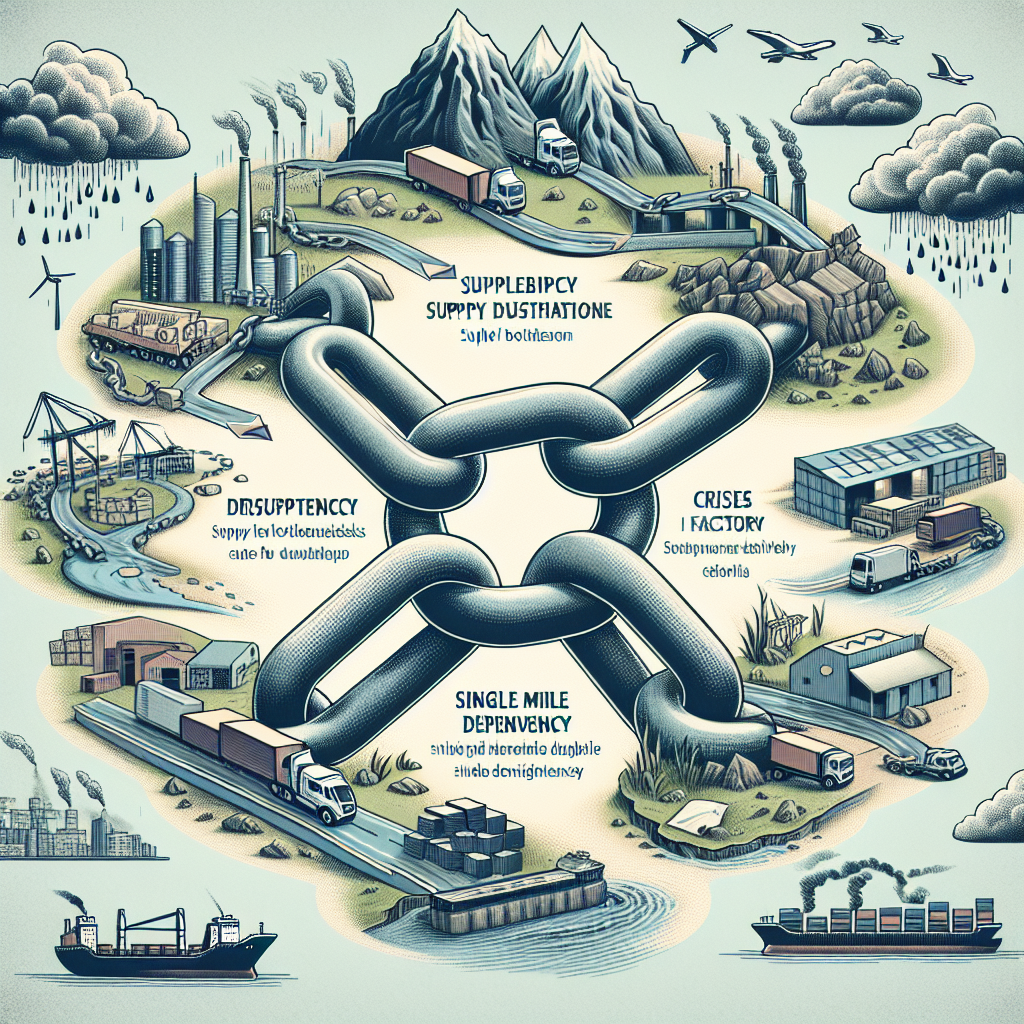
A supply chain crisis doesn’t happen overnight. It typically results from a combination of factors including raw material shortage, supplier failure, and logistics disruption that compound over time. Recent years have taught us that supply chain fragility is a real concern that demands our attention and proactive planning.
Identifying Common Sources of Supply Chain Vulnerability
Supplier-Related Challenges
One of the biggest risks many companies face is single source dependency. When you rely on just one supplier for critical materials or components, you’re essentially putting all your eggs in one basket. If that supplier experiences issues—whether from natural disasters, financial problems, or production delays—your entire operation can grind to a halt.
Supplier failure can strike unexpectedly, creating a domino effect throughout your supply network. This is why supply chain risk management starts with diversifying your supplier base and maintaining strong relationships with multiple partners.
Material and Inventory Issues
Raw material shortage has become increasingly common, affecting industries from automotive to electronics. Whether it’s semiconductor chips, lumber, or specialized chemicals, a supply shortage in one area can ripple through multiple industries, creating widespread disruption.
Understanding the root causes of these shortages—from mining limitations to processing capacity constraints—helps businesses anticipate problems and develop contingency plans before a full-blown supply chain shock occurs.
Transportation and Logistics Bottlenecks
Getting products from point A to point B has never been more complicated. Port congestion has become a familiar headline, with ships waiting weeks to unload cargo. These transportation bottlenecks create freight delays that push delivery timelines further and further out.
The challenges don’t stop at the ports either. Last mile delivery problems plague companies trying to get products to customers’ doorsteps, while cold chain disruption threatens temperature-sensitive goods like pharmaceuticals and fresh food. Each supply chain bottleneck adds time, cost, and uncertainty to the delivery process.
Building Supply Chain Resilience Through Smart Strategies
Diversification and Redundancy
The antidote to supply chain vulnerability starts with diversification. Instead of relying on single sources, develop relationships with multiple suppliers across different geographic regions. Yes, this might increase complexity and potentially cost more upfront, but the insurance it provides against disruption is invaluable.
Building redundancy into your supply chain means having backup options ready to activate when primary channels fail. Think of it as your supply chain insurance policy—you hope you never need it, but you’ll be grateful it’s there when trouble strikes.
Enhanced Visibility and Monitoring
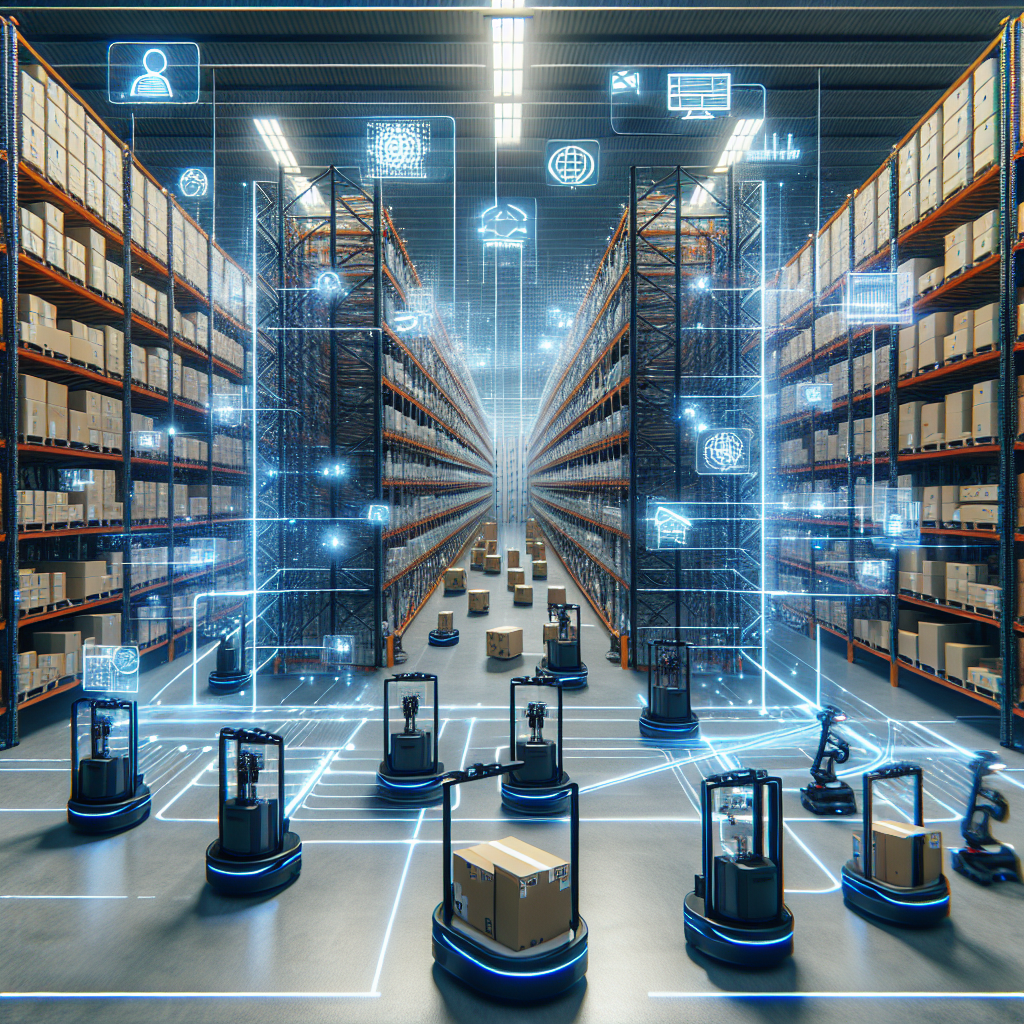
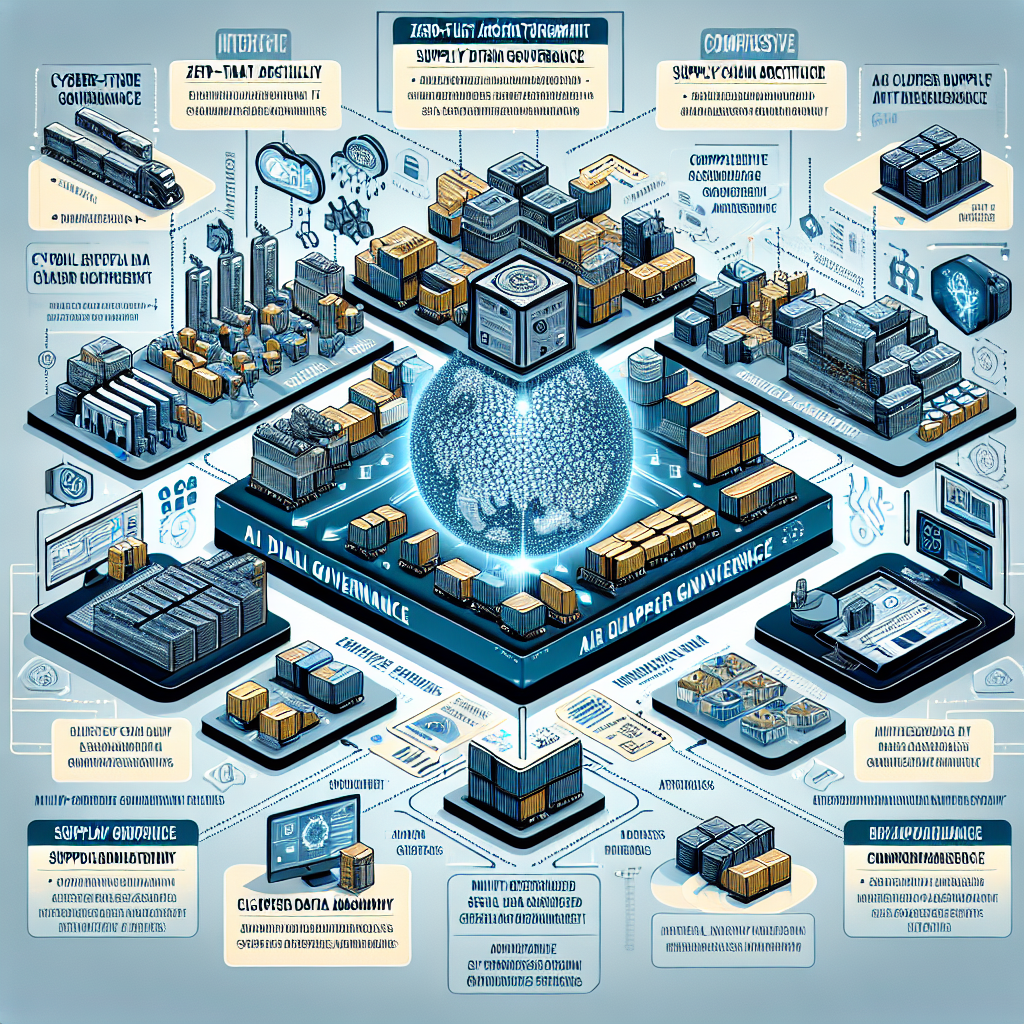
Effective supply chain risk management requires knowing what’s happening at every stage of your supply chain. Invest in technology that provides real-time visibility into inventory levels, shipment status, and supplier performance. The earlier you can spot potential issues, the more options you have to address them.
Modern supply chain management systems can alert you to potential disruptions before they become crises, giving you precious time to implement workarounds or activate contingency plans.
Strategic Inventory Management
While just-in-time inventory has its benefits, recent disruptions have shown the value of maintaining strategic buffer stock for critical items. This doesn’t mean hoarding excessive inventory, but rather identifying which components or materials are most vulnerable to supply chain shock and keeping appropriate safety stock on hand.
Balance efficiency with resilience by analyzing which items have the longest lead times, the fewest alternative sources, or the highest impact on your operations if unavailable.
Practical Steps to Overcome Supply Chain Bottlenecks
Collaborative Planning and Communication
Strong relationships with your suppliers, logistics partners, and customers are your first line of defense against supply chain disruption. Regular communication helps everyone stay informed about potential issues and work together on solutions.
Share your forecasts with suppliers early and often. The more visibility they have into your needs, the better they can plan their own operations to support you. Similarly, when you’re aware of their constraints, you can adjust your plans accordingly.
Flexible Logistics Solutions
Don’t put all your faith in a single transportation mode or route. When port congestion threatens ocean freight, can you shift to air cargo for critical items? When freight delays impact one corridor, do you have alternative routing options?
Building relationships with multiple carriers and freight forwarders gives you flexibility when logistics disruption strikes. Some companies are even reshoring or nearshoring production to reduce dependence on long, complex international supply chains.
Scenario Planning and Risk Assessment
Take time to conduct “what if” exercises. What happens if your primary supplier experiences a fire? What if port congestion doubles transit times? What if a raw material shortage affects your key component?
By thinking through these scenarios in advance, you can develop response plans that can be quickly activated when needed. This proactive approach to supply chain risk management transforms potential crises into manageable challenges.
Looking Forward: Building a More Resilient Future
Supply chain resilience isn’t about eliminating all risk—that’s impossible. It’s about understanding your vulnerabilities, having plans in place, and building the flexibility to adapt when disruptions occur. The companies that thrive despite supply chain disruption are those that view resilience as an ongoing journey rather than a destination.
Start small if you need to. Identify your biggest vulnerability—whether it’s single source dependency, transportation bottlenecks, or supplier failure risk—and take steps to address it. Then move on to the next issue. Gradually, you’ll build a more robust, resilient supply chain that can weather whatever challenges come your way.
Remember, every supply chain crisis is also an opportunity to learn and improve. By taking action now to strengthen your supply chain, you’re not just protecting against future disruption—you’re building a competitive advantage that will serve your business for years to come. The path to supply chain resilience starts with a single step. Why not take that step today?