





Building Resilient Supply Chains in an Unpredictable World
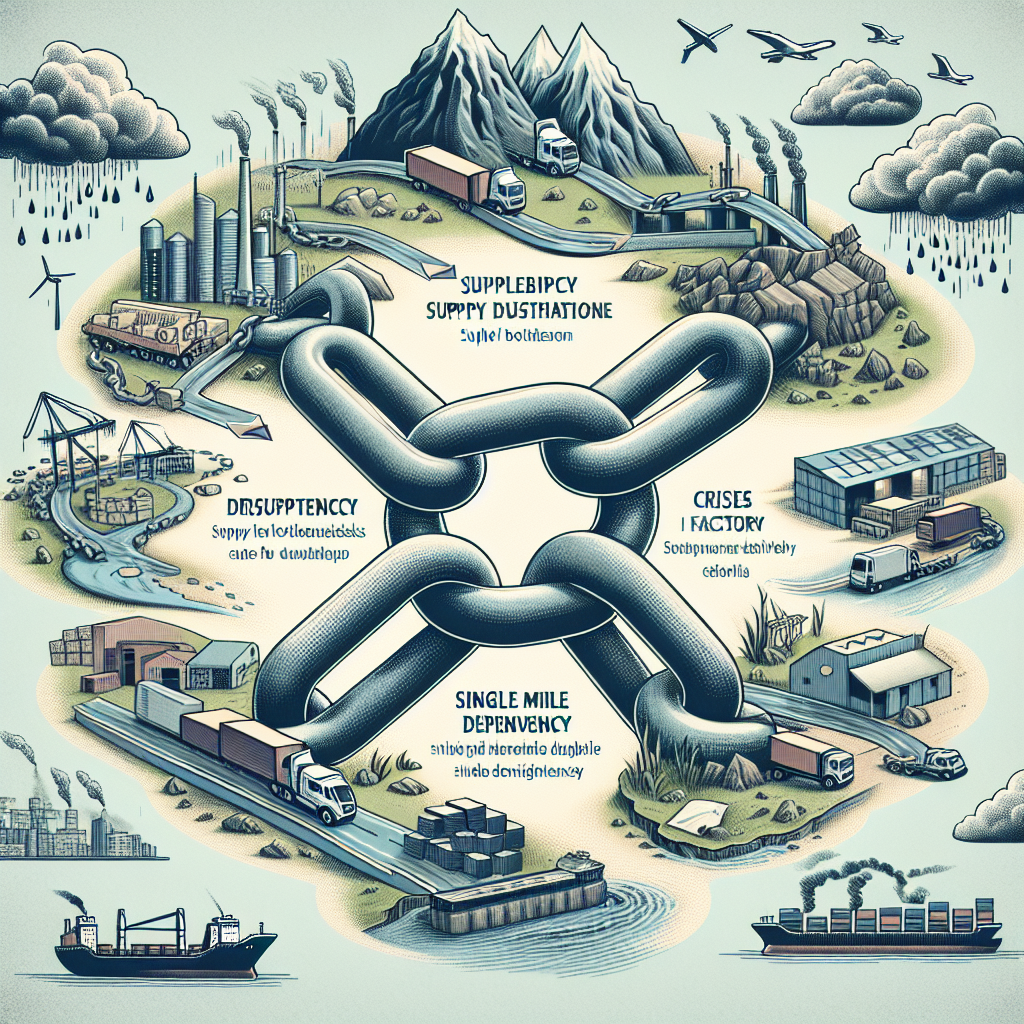
Hey there, supply chain professionals! If the past few years have taught us anything, it’s that expecting the unexpected isn’t just good practice—it’s essential for survival. From pandemic disruptions to geopolitical tensions and natural disasters, today’s supply chains face challenges that would have seemed unimaginable just a decade ago. The good news? We now have powerful tools and supply chain resilience strategies at our disposal to help us navigate these choppy waters with confidence.
Let’s dive into the game-changing technologies and approaches that are transforming how businesses build robust, adaptive supply chains that can weather any storm.
The Power of Supply Chain Digital Twins
Imagine having a crystal ball that lets you see exactly how your supply chain would respond to different scenarios before they happen. That’s essentially what supply chain digital twins offer. These virtual replicas of your entire supply chain network create a safe sandbox where you can test strategies, identify vulnerabilities, and optimize operations without risking real-world consequences.
Digital twins combine real-time data from your physical supply chain with advanced simulation capabilities. This means you can model what would happen if a key supplier suddenly went offline, a port closed unexpectedly, or demand spiked in a particular region. By running these scenarios virtually, you can develop contingency plans and make smarter decisions before problems actually occur.
The beauty of this technology is that it’s constantly learning and evolving. As your supply chain digital twins ingest more data, they become increasingly accurate at predicting outcomes and recommending optimal responses to disruptions.
Real-Time Chokepoint Tracking: Staying Ahead of Bottlenecks
Supply chain bottlenecks can bring operations to a grinding halt, but what if you could spot them before they become critical? Real-time chokepoint tracking does exactly that by continuously monitoring key congestion points across your network.
Think of major ports, border crossings, distribution hubs, and transportation routes where delays tend to cascade through your supply chain. With real-time chokepoint tracking, you get instant visibility into developing issues at these critical junctions. This early warning system gives your team precious time to reroute shipments, adjust production schedules, or communicate proactively with customers.
Modern tracking solutions leverage IoT sensors, GPS data, and integration with port and logistics provider systems to paint a comprehensive picture of where your goods are and where potential slowdowns might occur. This level of awareness transforms reactive firefighting into proactive problem-solving.
Multi-Tier Supplier Visibility: Seeing Beyond the Obvious
Here’s a question that keeps supply chain managers up at night: do you really know who makes the components that your suppliers use? For most companies, visibility ends at their direct suppliers, leaving them blind to risks lurking deeper in the supply chain.
Multi-tier supplier visibility changes this equation by mapping your entire supplier network, including second, third, and even fourth-tier suppliers. This comprehensive view reveals hidden dependencies and single points of failure that might otherwise catch you completely off guard.
When a semiconductor shortage hits or a natural disaster affects a region, multi-tier visibility lets you quickly assess whether suppliers several levels down might be impacted. This foresight enables you to source alternatives, build inventory buffers, or adjust production plans well before disruptions reach your doorstep.
Building Your Supplier Network Map
Creating this visibility requires collaboration with your direct suppliers to understand their sourcing strategies. While it takes effort upfront, the risk mitigation benefits are enormous. Many companies are now making multi-tier transparency a contractual requirement for their strategic suppliers.
Zero-Touch Logistics Orchestration: Automation Meets Intelligence
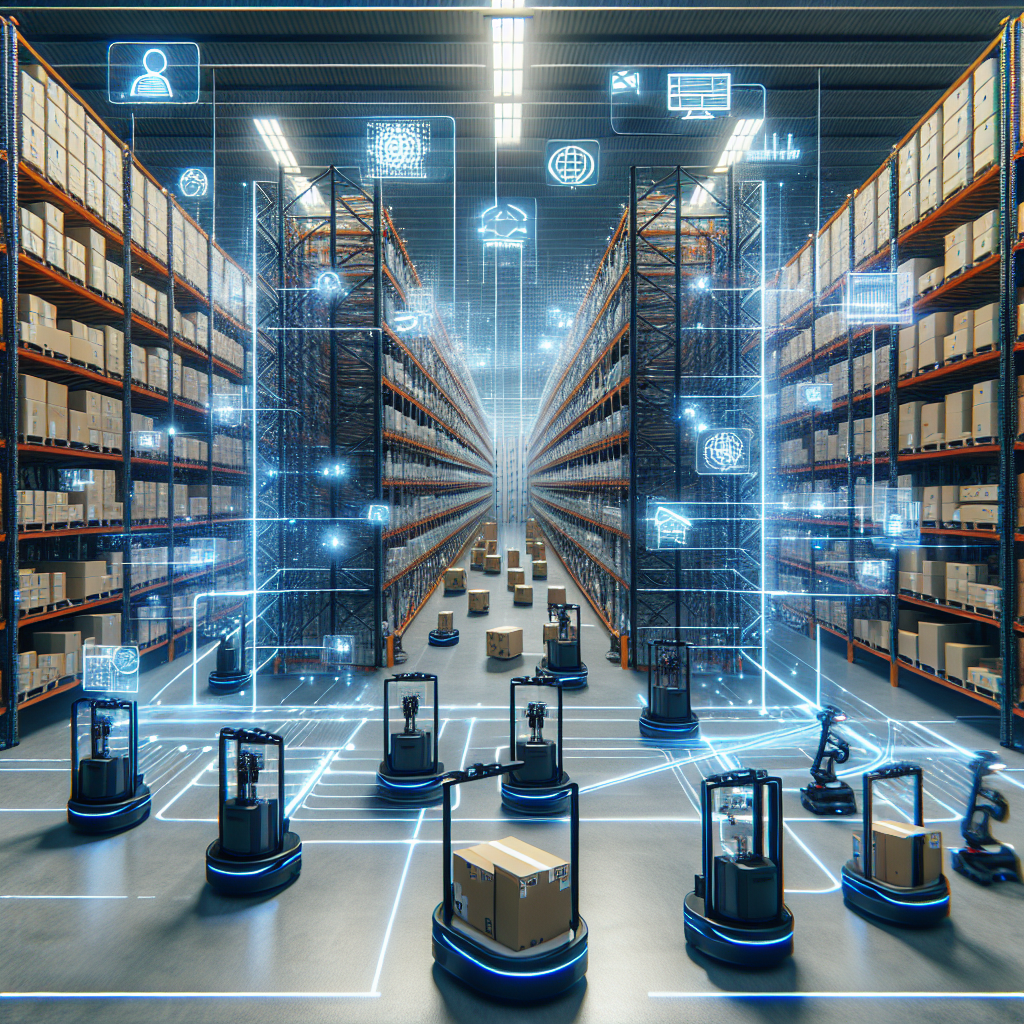
Imagine your supply chain running so smoothly that routine decisions happen automatically, freeing your team to focus on strategic challenges. That’s the promise of zero-touch logistics orchestration, where AI-powered systems handle everyday operational decisions without human intervention.
This doesn’t mean removing humans from the equation entirely. Rather, it’s about automating repetitive, rules-based decisions so that your talented professionals can concentrate on exceptions, strategy, and continuous improvement. The system handles routine tasks like optimal route selection, carrier assignment, warehouse task prioritization, and inventory replenishment based on predefined parameters and machine learning algorithms.
Zero-touch logistics orchestration dramatically reduces response times, eliminates human error in routine processes, and ensures consistent execution of your supply chain strategy. When disruptions do occur, these systems can instantly recalculate optimal solutions across thousands of variables—something that would take human planners hours or days to accomplish.
AI Governance in Supply Chain: Getting Innovation Right
With all this talk of AI and automation, we need to address the elephant in the room: how do we ensure these powerful tools are used responsibly and effectively? That’s where AI governance in supply chain comes into play.
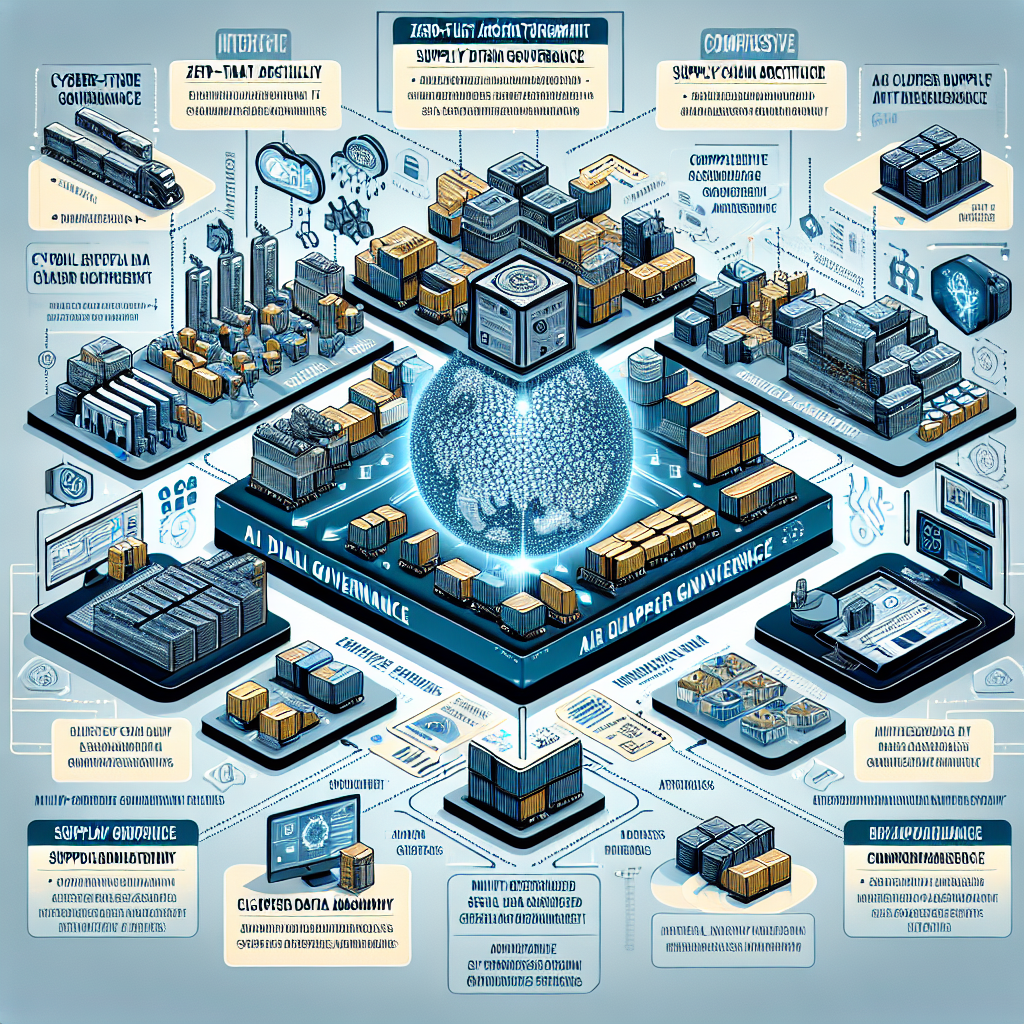
AI governance isn’t about limiting innovation—it’s about channeling it productively. A solid governance framework ensures that your AI systems are transparent, auditable, unbiased, and aligned with your business objectives and ethical standards. This is especially critical in supply chain management, where automated decisions can have significant financial, environmental, and social impacts.
Key Components of AI Governance
Effective AI governance in supply chain includes clear accountability structures that define who owns AI systems and their outcomes. It requires robust data quality management, because AI is only as good as the data it learns from. You also need regular audits to check for bias, drift, or unintended consequences in your AI models.
Documentation and explainability are crucial too. When an AI system makes a recommendation, stakeholders should be able to understand why. This transparency builds trust and enables continuous improvement of your algorithms.
Integrating These Strategies for Maximum Resilience
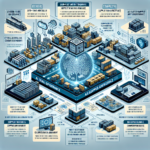
The real magic happens when you combine these supply chain resilience strategies into a cohesive approach. Your digital twin leverages multi-tier supplier data and real-time chokepoint information to run accurate simulations. Zero-touch orchestration systems execute decisions based on insights from all these sources. And AI governance ensures everything operates within appropriate guardrails.
Start by assessing which areas of your supply chain are most vulnerable to disruption. Then prioritize implementing technologies that address those specific risks. You don’t need to transform everything overnight—strategic, phased implementation often delivers better results than trying to boil the ocean.
Looking Forward: The Resilient Supply Chain of Tomorrow
The supply chains that thrive in coming years will be those that embrace these advanced technologies while maintaining the human judgment and creativity that machines can’t replicate. By investing in digital twins, real-time tracking, extended visibility, intelligent automation, and responsible AI governance, you’re not just protecting against disruptions—you’re building a competitive advantage.
Remember, resilience isn’t about preventing every possible problem. It’s about building systems that can detect issues early, respond quickly, and recover gracefully when the unexpected happens. And with these tools at your disposal, you’re well-equipped to do exactly that.
What supply chain resilience strategies are you most excited about implementing? The journey to a more resilient, efficient, and intelligent supply chain starts with a single step. Why not take that step today?