





Understanding the World's Most Vulnerable Shipping Routes
Hello, friends! Today we’re diving into a topic that affects everything from the price of your morning coffee to the availability of electronics in stores. We’re talking about maritime chokepoints—those narrow waterways that handle enormous amounts of global trade. When disruptions occur in these strategic locations, the ripples are felt worldwide, impacting businesses and consumers alike.
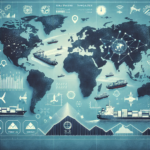
Two of the most critical chokepoints currently facing security challenges are the Red Sea and the Strait of Hormuz. Let’s explore why these waterways matter so much and what we can do to navigate the challenges they present.
Red Sea Shipping Disruptions: A Growing Concern
The Red Sea serves as a vital corridor connecting Europe and Asia through the Suez Canal. Recently, Red Sea shipping disruptions have become increasingly common due to regional conflicts, piracy concerns, and geopolitical tensions. When ships are forced to reroute around Africa’s Cape of Good Hope, journey times can increase by weeks, adding significant costs and delays.
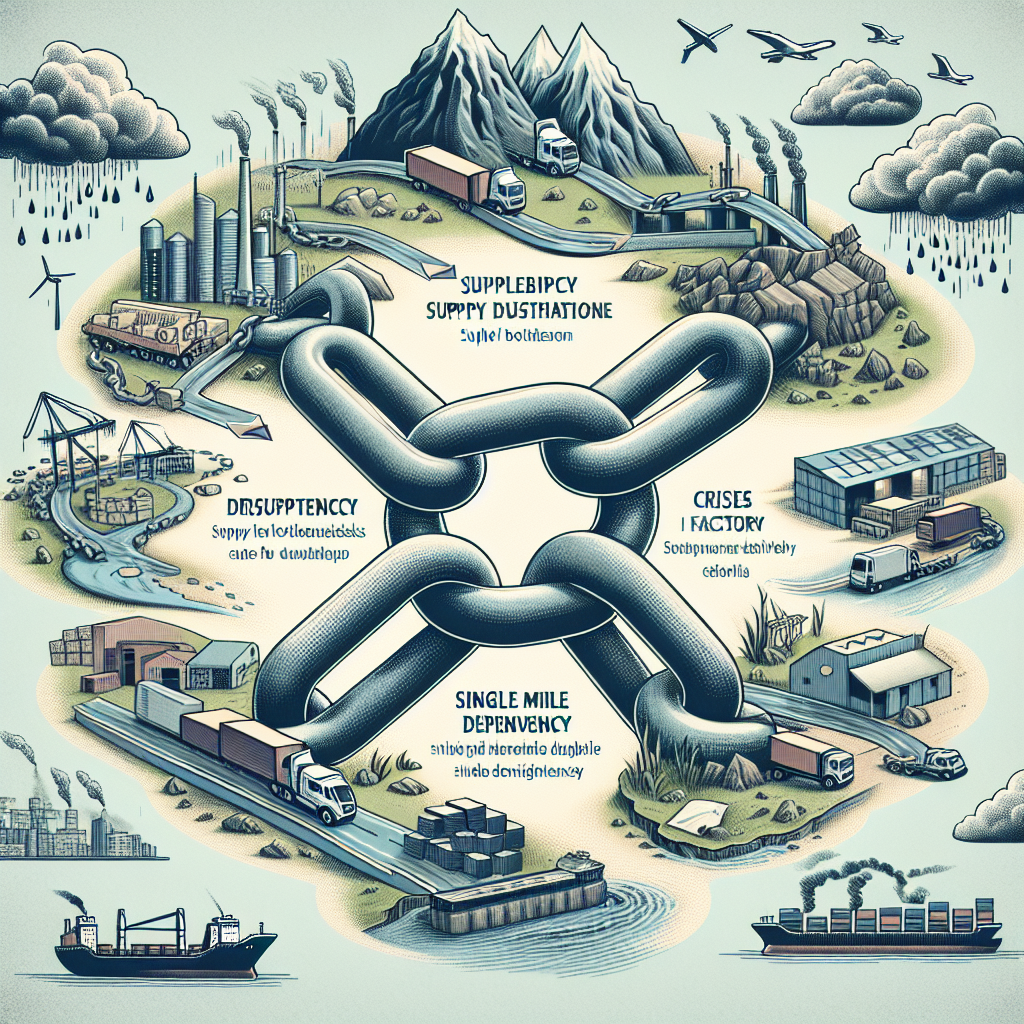
These disruptions don’t just affect shipping companies—they cascade through entire supply chains. Manufacturers waiting for components, retailers anticipating seasonal inventory, and consumers expecting timely deliveries all feel the impact. Understanding these challenges is the first step toward building more resilient logistics strategies.
Strait of Hormuz Maritime Security: The Oil Highway
The Strait of Hormuz is perhaps even more critical to global commerce. This narrow passage between Oman and Iran sees roughly one-fifth of the world’s petroleum pass through its waters daily. Strait of Hormuz maritime security concerns can send shockwaves through energy markets and beyond.
Any threat to this chokepoint—whether from military tensions, accidents, or deliberate disruptions—can trigger immediate price increases and supply concerns. For businesses relying on predictable logistics and stable fuel costs, monitoring this region is absolutely essential.
The Ripple Effect: Tariff Impact Analysis
How Delays Create Additional Costs
When ships must take longer routes or face delays at chokepoints, the financial implications extend far beyond fuel costs. A comprehensive tariff impact analysis reveals how these disruptions can trigger a domino effect of additional expenses.
Products stuck in transit may miss preferential tariff windows, forcing importers to pay higher duties. Goods classified as time-sensitive may lose value entirely. Furthermore, emergency rerouting often means using different ports with varying fee structures and regulatory requirements, each adding layers of complexity and cost.
Planning for Uncertainty
Smart businesses are incorporating chokepoint vulnerability into their tariff planning. By understanding how different routing scenarios affect duty obligations, companies can make more informed decisions about sourcing, inventory management, and customer commitments.
Geopolitical Risk Mitigation in Logistics
The good news is that you don’t have to be helpless in the face of these challenges. Effective geopolitical risk mitigation in logistics starts with awareness and diversification.
Consider developing relationships with suppliers in multiple regions, so your entire supply chain isn’t dependent on goods passing through a single chokepoint. Build buffer inventory for critical items that might be vulnerable to disruption. Work with logistics partners who have experience navigating complex geopolitical situations and can pivot quickly when conditions change.
Insurance and contractual protections also play important roles. Make sure your agreements with suppliers and customers account for force majeure situations and clearly define responsibilities when disruptions occur beyond anyone’s control.
Real-Time Chokepoint Tracking: Your Early Warning System
Perhaps the most powerful tool available to modern supply chain managers is real-time chokepoint tracking technology. These systems monitor vessel movements, security incidents, weather conditions, and political developments to provide up-to-the-minute awareness of potential disruptions.
By implementing real-time tracking solutions, you can receive alerts about emerging situations before they impact your shipments. This advance notice creates opportunities to reroute cargo, adjust production schedules, communicate proactively with customers, and make other strategic decisions that minimize disruption.
Many platforms now offer predictive analytics that assess risk levels for specific routes and time periods, helping you choose the safest and most reliable shipping options for each shipment.
Building Resilience for the Future
Maritime chokepoint challenges aren’t going away anytime soon. If anything, increasing global trade volumes and persistent geopolitical tensions suggest these issues will remain prominent concerns for years to come.
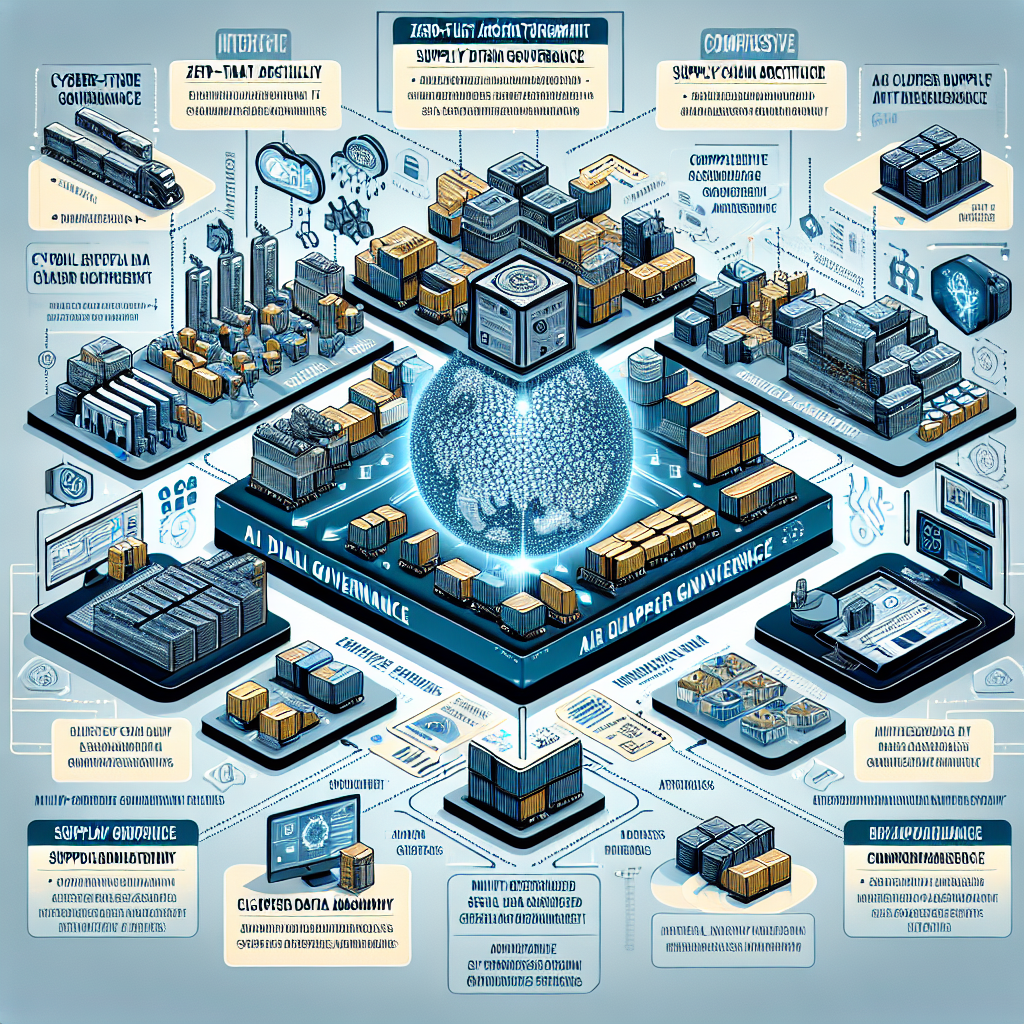
The key to thriving in this environment is building resilience into your supply chain from the ground up. This means combining traditional strategies like diversification and inventory buffering with modern tools like real-time tracking and predictive analytics.
Stay informed about developments in critical regions. Maintain flexibility in your logistics arrangements. Foster strong relationships with partners who understand these challenges. And most importantly, view supply chain resilience not as an expense but as a strategic investment in your business’s long-term success.
Moving Forward Together
Navigating the complexities of global maritime trade might seem daunting, but remember that you’re not alone in facing these challenges. Businesses worldwide are adapting to the same realities, and the logistics industry continues to develop innovative solutions.
By staying informed about Red Sea shipping disruptions, monitoring Strait of Hormuz maritime security, conducting thorough tariff impact analysis, implementing geopolitical risk mitigation strategies, and utilizing real-time chokepoint tracking, you’re positioning your business to weather whatever storms may come.
Here’s to smoother sailing ahead and supply chains that can handle whatever the world throws at them. Stay safe, stay informed, and keep those goods moving!