






The Foundation of Modern Supply Chain Architecture
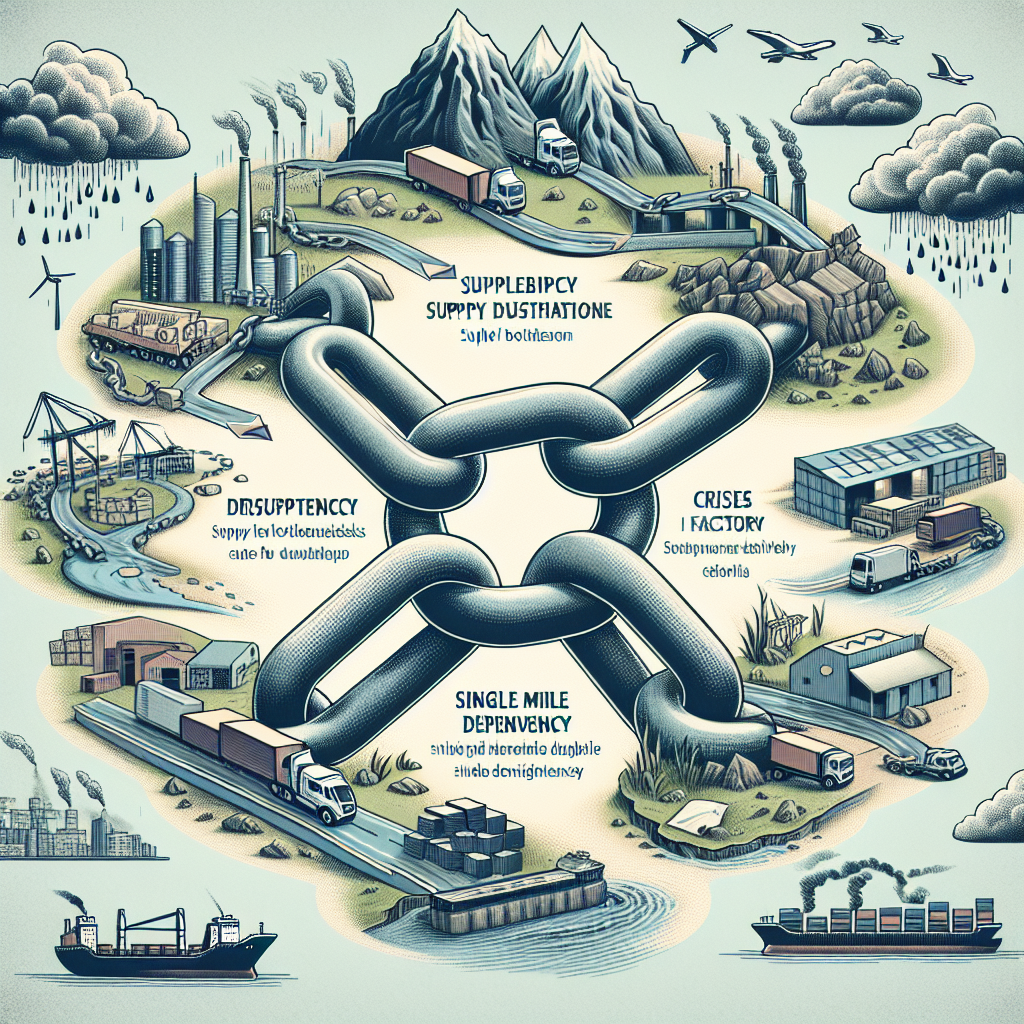
In today’s interconnected business landscape, enterprise supply chain architecture has evolved from simple point-to-point connections into sophisticated multi-enterprise supply chain networks that span continents and time zones. Organizations are no longer operating in isolation—they’re part of complex ecosystems where data flows seamlessly between manufacturers, suppliers, distributors, and customers. Building a robust digital supply chain architecture isn’t just about technology; it’s about creating a foundation that supports secure collaboration, ensures compliance, and enables innovation across organizational boundaries.
The shift toward cloud supply chain architecture has revolutionized how companies manage their operations. Cloud-based platforms offer scalability, flexibility, and real-time visibility that traditional on-premise systems simply cannot match. However, this transformation brings new challenges around data governance, security, and compliance that require careful planning and strategic thinking.
Establishing Strong Supply Chain IT Governance
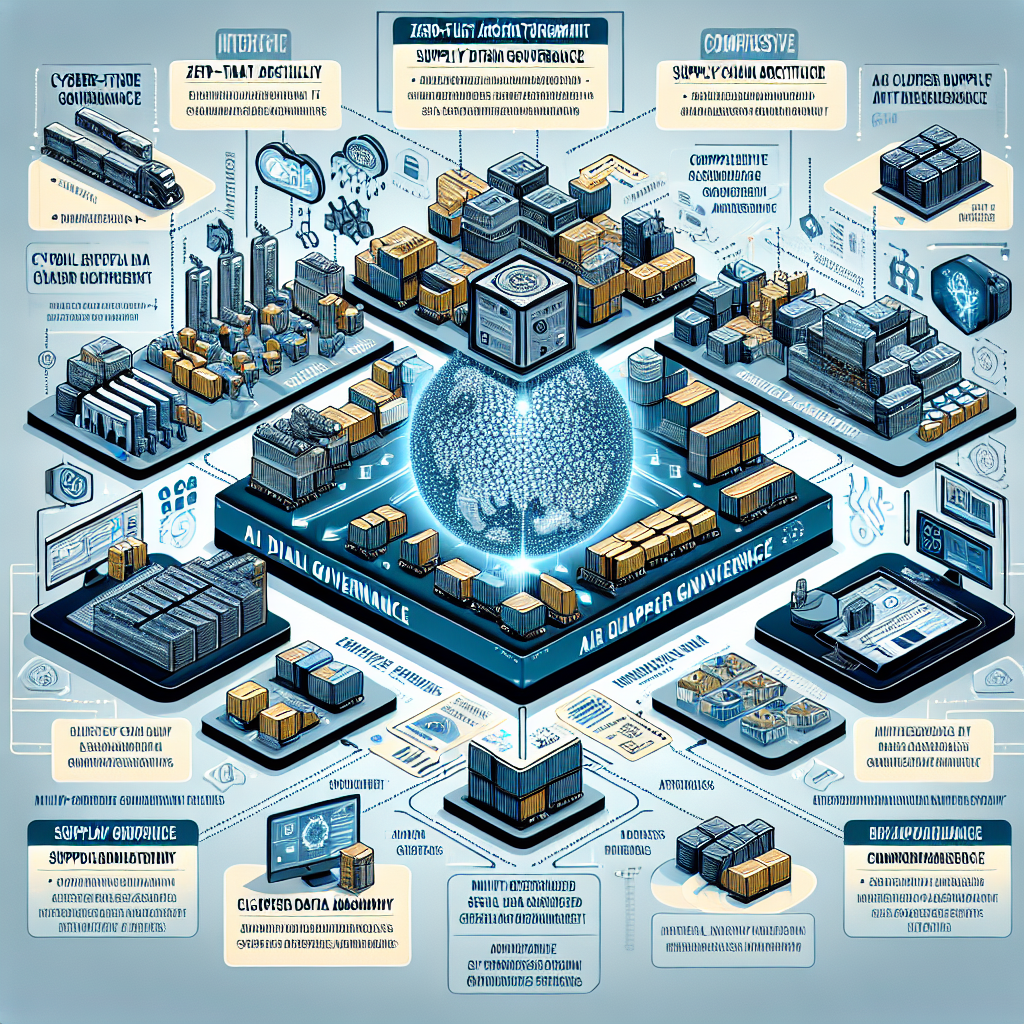
Effective supply chain IT governance serves as the backbone of any successful multi-enterprise network. It establishes the rules, responsibilities, and processes that guide how technology decisions are made and implemented across the supply chain ecosystem. Without proper governance, organizations risk creating fragmented systems, data silos, and security vulnerabilities that can undermine operational efficiency and expose the business to significant risks.
A comprehensive supply chain compliance framework must address multiple dimensions simultaneously. This includes regulatory compliance in global supply chains, which varies significantly across different regions and industries. From GDPR in Europe to various industry-specific regulations, organizations must ensure their architecture supports compliance requirements while maintaining operational agility.
Risk governance frameworks in logistics play a critical role in identifying, assessing, and mitigating potential disruptions. These frameworks help organizations build cyber-resilience in logistics by establishing protocols for threat detection, incident response, and business continuity. By integrating risk management into the architectural design from the start, companies can create more resilient supply chain architecture design that withstands both predictable and unexpected challenges.
Building Zero-Trust Supply Chain Architecture
The concept of zero-trust supply chain architecture has become essential in an era where cyber threats are increasingly sophisticated and persistent. Unlike traditional security models that assume everything inside the network is trustworthy, zero-trust operates on the principle of “never trust, always verify.” This approach is particularly important in multi-enterprise environments where multiple organizations access shared systems and data.
Implementing supply chain identity and access management is a cornerstone of zero-trust architecture. Organizations must carefully control who has access to what data, systems, and functions. This means implementing robust authentication mechanisms, role-based access controls, and continuous monitoring to detect anomalous behavior that might indicate a security breach.
Secure data sharing in supply chain environments requires more than just encryption and firewalls. It demands a comprehensive approach that includes data classification, access policies, audit trails, and automated compliance checking. When partners collaborate across organizational boundaries, security cannot be an afterthought—it must be embedded into every layer of the architecture.
Mastering Data Governance Across the Supply Chain
Supply Chain Data Governance Fundamentals
Supply chain data governance encompasses the policies, procedures, and standards that ensure data quality, consistency, and security throughout the supply chain ecosystem. As organizations exchange millions of data points daily—from purchase orders to shipping manifests to quality certifications—maintaining data integrity becomes both a technical and organizational challenge.
Master data management supply chain initiatives focus on creating a single source of truth for critical business entities like products, suppliers, customers, and locations. Without proper master data management, organizations struggle with duplicate records, inconsistent information, and data conflicts that lead to operational inefficiencies and poor decision-making.
Standardization and Interoperability
Supply chain data standardization is crucial for enabling seamless communication between different systems and organizations. Industry standards like GS1, EDI, and emerging standards for supply chain data exchange provide common languages that allow diverse systems to understand each other. However, achieving true interoperability in supply chain systems requires more than just adopting standards—it requires commitment from all participants to implement them consistently.
API-driven supply chain integration has emerged as a powerful approach for connecting disparate systems while maintaining flexibility and agility. Modern supply chain platform architecture leverages APIs to enable real-time data exchange, automated workflows, and dynamic orchestration across multiple partners. This approach supports the rapid innovation and adaptation that today’s business environment demands.
Ensuring Transparency and Traceability
Data lineage in supply chain systems provides visibility into how data flows through the network, where it originates, how it transforms, and who accesses it along the way. This transparency is essential for troubleshooting issues, ensuring data quality, and meeting compliance requirements. Supply chain auditability depends on having complete, accurate records of all transactions and data movements throughout the network.
Supplier data governance extends the principles of data governance beyond organizational boundaries to include suppliers and partners. This means establishing clear expectations for data quality, security, and compliance, and providing the tools and support needed for suppliers to meet these standards. Successful supplier data governance creates a culture of shared responsibility where all participants in the network contribute to maintaining data integrity.
Leveraging AI Governance in Supply Chain Operations
As artificial intelligence becomes increasingly embedded in supply chain operations, AI governance in supply chain has emerged as a critical consideration. AI systems can optimize routes, predict demand, identify anomalies, and automate decisions at scale. However, these powerful capabilities come with important questions about transparency, accountability, bias, and ethical use.
Organizations must establish clear policies for how AI systems are developed, deployed, and monitored within their supply chain architecture. This includes ensuring that AI decision-making is explainable, that algorithms are tested for bias, and that humans remain in the loop for critical decisions. AI governance frameworks should also address data privacy, security implications of AI models, and the potential for AI systems to be manipulated or deceived.
Designing for Multi-Enterprise Collaboration
Multi-enterprise supply chain networks represent the future of supply chain management, but they require fundamentally different architectural approaches than single-enterprise systems. The challenge lies in creating platforms that support collaboration while respecting organizational boundaries, maintaining security, and ensuring fair data sharing.
Supply chain platform architecture must be designed with modularity and extensibility in mind. Rather than monolithic systems that try to do everything, modern platforms use microservices and composable architectures that allow organizations to adopt capabilities selectively and integrate with existing systems. This approach supports the diverse needs of different partners while maintaining consistency where it matters most.
Cloud supply chain architecture provides the foundation for multi-enterprise collaboration by offering neutral ground where partners can connect without requiring direct system-to-system integrations. Cloud platforms can serve as hubs that mediate data exchange, enforce governance policies, and provide shared services like analytics, visibility, and compliance monitoring.
Building Cyber-Resilience and Compliance
Cyber-resilience in logistics goes beyond traditional cybersecurity measures to encompass the ability to anticipate, withstand, recover from, and adapt to cyber threats. In supply chain environments where disruptions can cascade quickly across multiple organizations, resilience must be designed into the architecture from the ground up.
A resilient supply chain architecture design incorporates redundancy, fail-safes, and graceful degradation mechanisms that allow critical operations to continue even when parts of the system are compromised. This might include backup communication channels, alternative routing options, or manual override capabilities that enable human intervention when automated systems fail.
Regulatory compliance in global supply chains requires ongoing attention and adaptation as regulations evolve. Organizations must build architectures that can accommodate new compliance requirements without requiring complete system overhauls. This means building flexibility into data models, maintaining comprehensive audit trails, and implementing configurable business rules that can be adjusted as regulations change.
Moving Forward: Best Practices for Implementation
Successfully implementing enterprise supply chain architecture and governance requires a balanced approach that considers technology, processes, and people. Start by establishing a clear vision and governance structure that includes representatives from all key stakeholders—IT, operations, procurement, legal, and security. This cross-functional team should be empowered to make architectural decisions and drive adoption across the organization.
Invest in building strong foundations before adding complexity. Focus first on master data management, data standardization, and core security capabilities. Once these fundamentals are solid, you can layer on more advanced capabilities like AI, advanced analytics, and real-time orchestration.
Remember that architecture is never finished—it must evolve continuously to address new business requirements, technological innovations, and emerging threats.