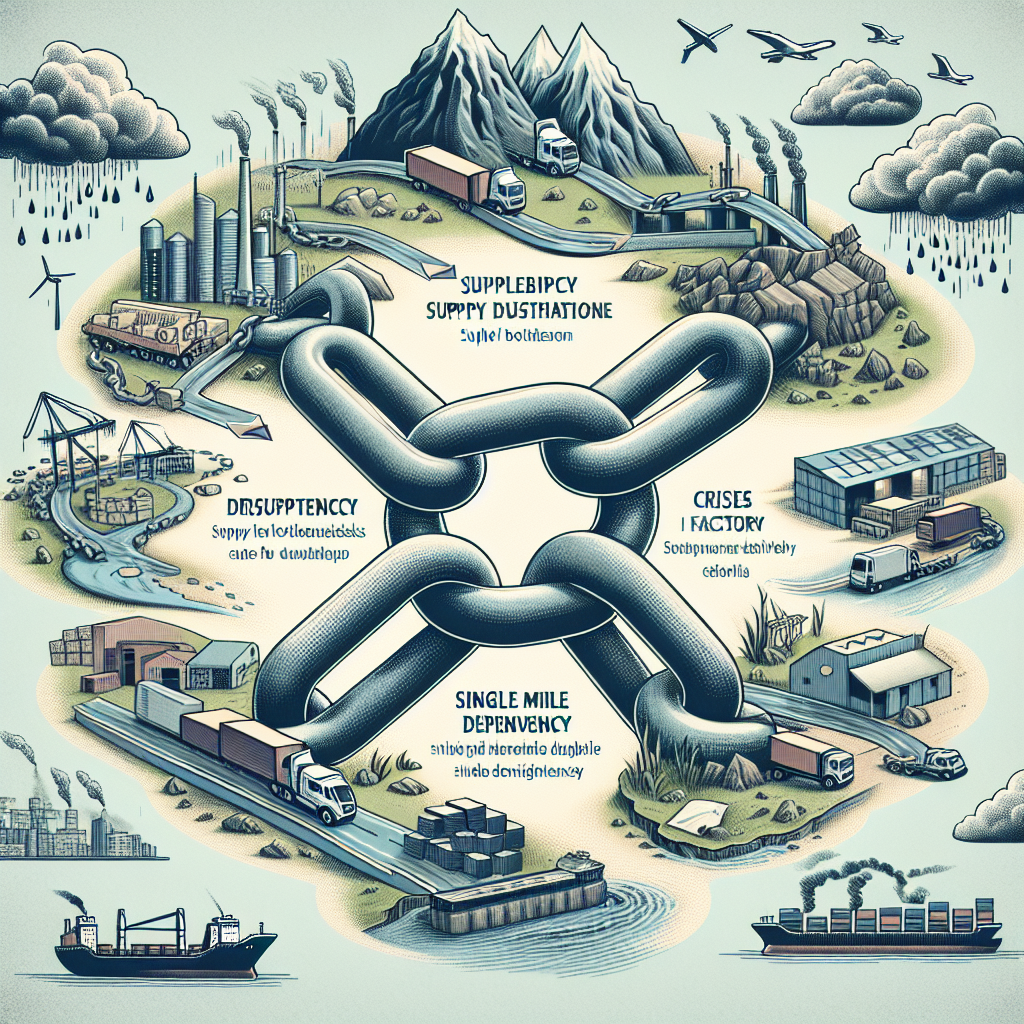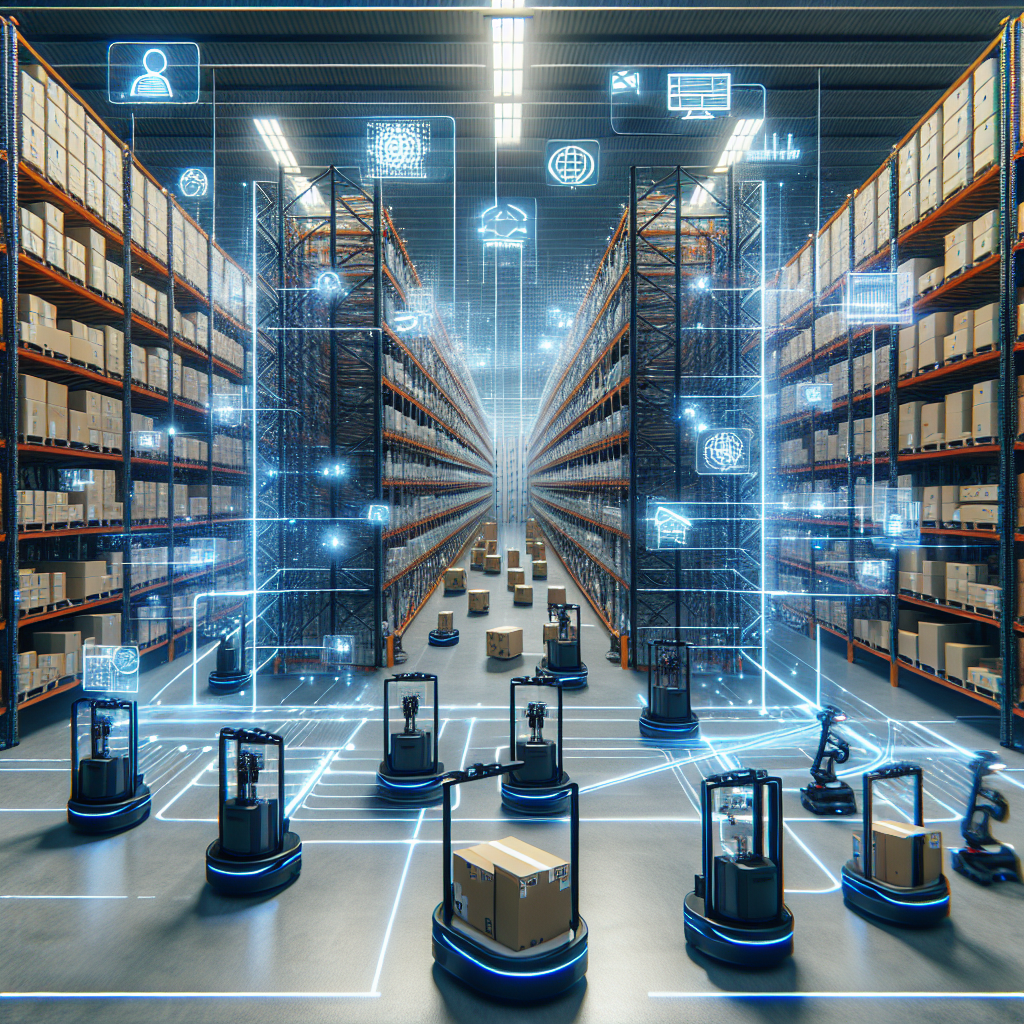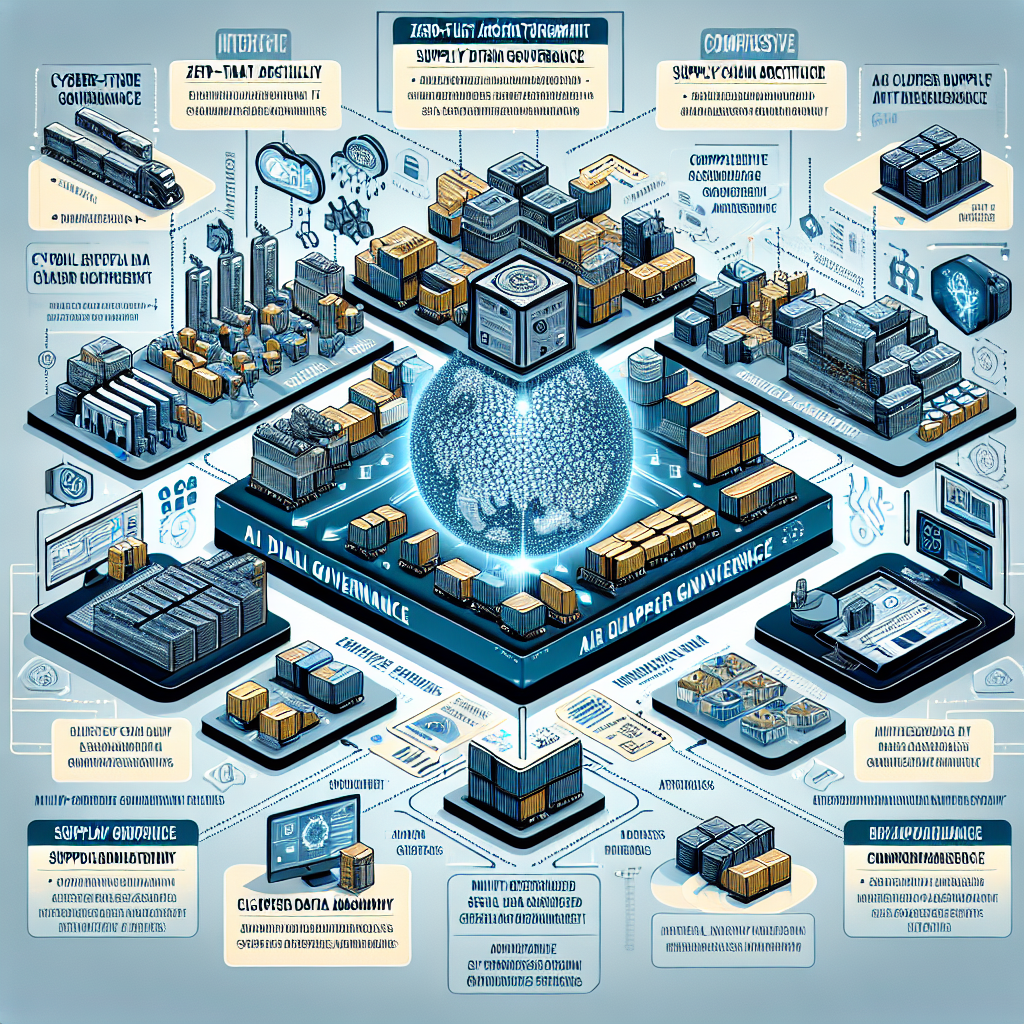







The supply chain industry is undergoing a fundamental shift as artificial intelligence moves from experimental technology to operational backbone. Companies that once relied on spreadsheets and historical averages are now deploying AI-powered demand forecasting systems that process millions of variables in real time, dramatically improving planning accuracy and resilience. Understanding how these tools integrate with continuous S&OP planning and supply chain analytics is essential for any organization looking to compete in today’s volatile markets.
What Is AI-Powered Demand Forecasting?
Demand forecasting is the process of estimating future customer demand to optimize inventory, production, and procurement decisions. Traditional methods relied on moving averages or regression models that struggled to account for sudden market shifts, seasonality anomalies, or external disruptions.
AI-powered demand forecasting leverages machine learning algorithms, neural networks, and large-scale data ingestion to deliver predictions with significantly higher precision. According to McKinsey & Company, companies using AI in supply chain management have reduced forecasting errors by 20–50% compared to traditional techniques, while simultaneously lowering lost sales due to stockouts.
These systems continuously learn from new data inputs — including point-of-sale signals, weather patterns, macroeconomic indicators, and supplier lead times — enabling them to refine forecasts dynamically rather than relying on static models.
Key Points:
● AI-powered demand forecasting reduces forecast errors by up to 50% compared to legacy methods
● Machine learning models ingest real-time signals from multiple data sources simultaneously
● Continuous model retraining ensures forecasts stay relevant as market conditions change
Continuous S&OP Planning: Moving Beyond the Monthly Review Cycle
Traditional Sales and Operations Planning (S&OP) operated on rigid monthly or quarterly cycles, creating decision gaps that left businesses exposed to demand volatility and supply disruptions. Continuous S&OP planning eliminates these gaps by embedding rolling, real-time planning cycles into daily operations.
A concrete example of this in action is Unilever’s implementation of continuous planning processes, which enabled the company to synchronize demand signals across more than 190 countries and reduce its planning cycle time significantly. By integrating supply chain analytics directly into the S&OP process, Unilever gained the ability to detect demand shifts and respond within days rather than weeks, a capability that proved critical during pandemic-era supply disruptions.
Continuous S&OP frameworks use AI-driven dashboards to present scenario models — best case, worst case, and most likely — giving cross-functional teams the insights they need to align on supply, production, and commercial strategy in near real time.
Key Points:
● Continuous S&OP planning replaces static monthly cycles with rolling, real-time planning
● Cross-functional alignment improves when demand signals and supply constraints are visible simultaneously
● Scenario modeling through AI allows faster, more confident decision-making across the business
How Supply Chain Analytics Drives Lead Time Reduction
One of the most measurable outcomes of combining AI-powered demand forecasting with advanced supply chain analytics is lead time reduction. By predicting demand earlier and with greater accuracy, procurement teams can place orders further in advance, negotiate better terms, and reduce reliance on expedited shipping.
Gartner research highlights that organizations deploying advanced analytics in supply chain operations achieve an average 15% improvement in on-time delivery performance and a measurable reduction in total cycle time. For industries like electronics and consumer goods, where supplier lead times can span 8–16 weeks, even a 10–15% lead time reduction translates directly into lower safety stock requirements and improved cash flow.
Analytics platforms that monitor supplier performance, port congestion data, and carrier capacity in real time give planners the visibility needed to make proactive adjustments — shifting sourcing, rerouting shipments, or accelerating production runs before a disruption becomes a stockout.
Key Points:
● Lead time reduction of 10–15% is achievable through AI-powered demand forecasting and proactive procurement
● Supply chain analytics platforms provide real-time visibility into supplier and logistics performance
● Reduced lead times lower safety stock requirements and free up working capital
Integrating AI Tools Into Your Existing Planning Infrastructure
Building a Data Foundation for AI Success
AI models are only as effective as the data they are trained on. Organizations must invest in data cleansing, integration, and governance before deploying advanced forecasting tools to ensure the models receive accurate, consistent inputs from ERP, CRM, and external data sources.
Cloud-based platforms such as o9 Solutions and Blue Yonder have emerged as leading options for integrating AI-driven planning into existing enterprise ecosystems, offering pre-built connectors that reduce implementation timelines from years to months.
Change Management and Cross-Functional Buy-In
Technology adoption alone does not drive results — organizational alignment is equally critical. Successful deployments of continuous S&OP planning require executive sponsorship, clear KPI frameworks, and training programs that help commercial, operations, and finance teams interpret and act on AI-generated insights.
Companies that treat AI forecasting as a decision-support tool rather than a replacement for human judgment tend to see faster adoption and stronger business outcomes, as planners remain empowered to apply contextual knowledge the model may not capture.
Key Points:
● Clean, integrated data is the foundation of any effective AI-powered demand forecasting deployment
● Cloud-native planning platforms reduce integration complexity and implementation timelines
● Human oversight and cross-functional alignment are essential for maximizing AI planning investments
Key Takeaways
AI-powered demand forecasting and continuous S&OP planning are no longer aspirational strategies — they are competitive necessities for supply chains operating in a world of persistent disruption and rising customer expectations. Organizations that invest in supply chain analytics infrastructure and align their teams around real-time data stand to gain significant advantages in cost efficiency, service levels, and agility.
● AI-powered demand forecasting reduces forecast error by up to 50%, lowering stockouts and excess inventory
● Continuous S&OP planning replaces rigid planning cycles with real-time, rolling decision processes
● Supply chain analytics enables proactive lead time reduction and improved on-time delivery performance
● Data quality and organizational change management are as important as the technology itself
● Companies that integrate AI planning tools with human expertise achieve the strongest and most sustainable results
Want to explore more strategies for optimizing your supply chain operations? Visit BestInSupplies.com for expert insights, product recommendations, and the latest trends in supply chain management, procurement, and operational efficiency.