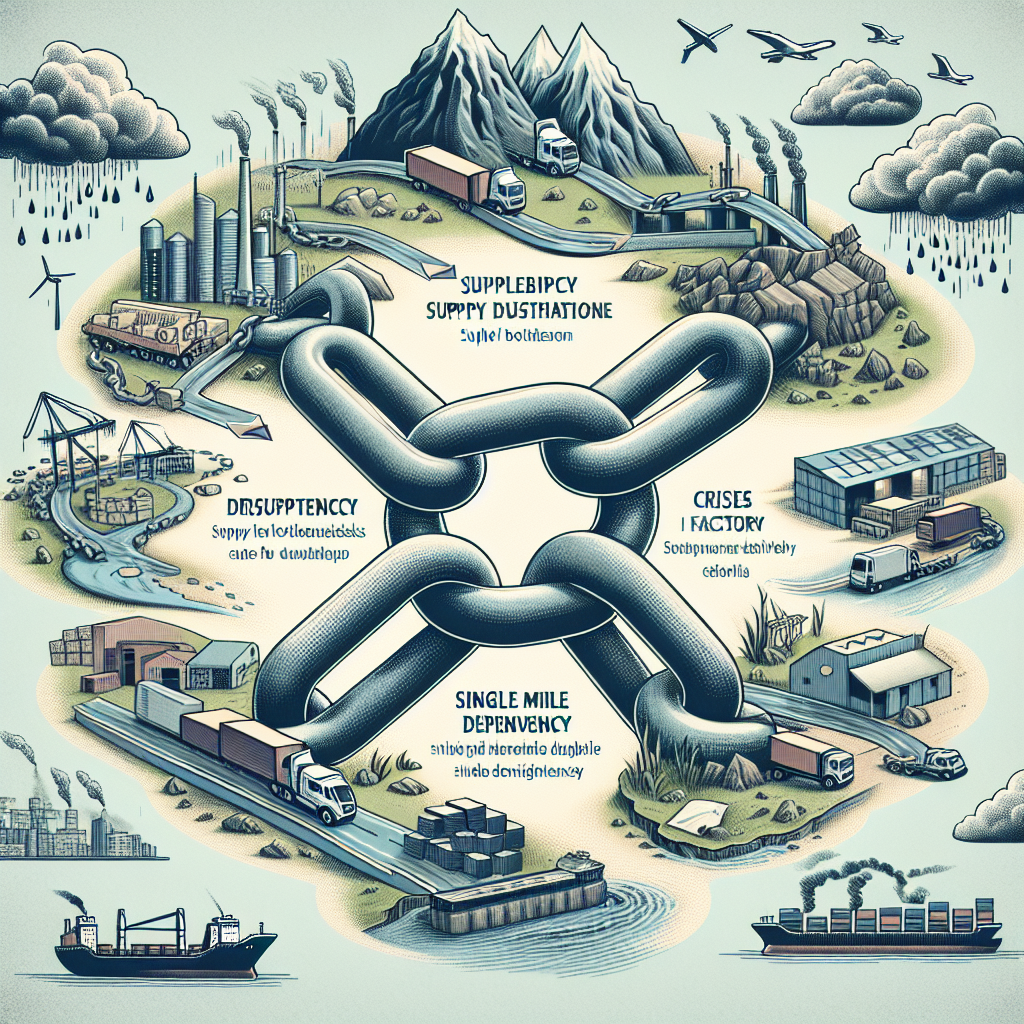










Why Procurement Strategy Is Getting a Major Overhaul
If you’ve been in procurement for more than a few years, you already know the old playbook isn’t cutting it anymore. Supply chain disruptions, geopolitical tensions, and shifting trade dynamics have forced businesses to rethink everything — from how they source goods to who they trust as long-term partners. In this post, we’re breaking down the key pillars of a modern procurement strategy, including the ongoing nearshoring vs offshoring debate, the rise of procurement automation, and how smart companies are building resilience through supplier diversification.
Strategic Sourcing: More Than Just Finding the Cheapest Option
Strategic sourcing has evolved far beyond simply hunting for the lowest price tag. It’s now a comprehensive process that factors in total cost of ownership, supplier reliability, geopolitical risk, and long-term relationship value. Companies like Apple and Toyota have long demonstrated that deeply integrated supplier relationships — built on transparency and shared goals — outperform transactional, price-first approaches every time.
According to a McKinsey report on supply chain resilience, companies that invest in strategic sourcing initiatives reduce supply chain disruptions by up to 40% compared to those relying on reactive procurement methods. That’s a massive operational advantage, especially in volatile markets.
A solid strategic sourcing framework typically includes category management, spend analysis, market intelligence, and competitive bidding — all working together to optimize both cost and risk. It’s less about squeezing suppliers and more about building a supply base that can actually scale and adapt with your business.
● Strategic sourcing focuses on total value, not just unit cost
● Long-term supplier relationships reduce disruption risk by up to 40%
● Category management and spend analysis are foundational tools
Supplier Diversification and Vendor Risk Management
Supplier diversification is no longer optional — it’s a survival strategy. The COVID-19 pandemic exposed how dangerously over-concentrated global supply chains had become, with many businesses relying on a single country or region for critical inputs. Companies that had diversified their supplier base across multiple geographies fared significantly better during those disruptions.
Effective vendor risk management goes hand-in-hand with diversification. It means regularly auditing your suppliers for financial health, compliance, cybersecurity posture, and operational capacity. Tools like Resilinc and Coupa offer real-time supplier monitoring that flags risks before they become full-blown crises — a huge step up from annual supplier reviews.
The goal isn’t to spread your spend so thin that you lose leverage, but to strategically qualify backup suppliers and regional alternatives so you’re never caught flat-footed. A tiered supplier model — primary, secondary, and contingency — gives you flexibility without sacrificing the efficiencies of scale. You can explore supplier management strategies at BestInSupplies.com to see how other businesses are structuring this.
● Over-concentration in a single region is a critical vulnerability
● Real-time vendor risk management tools help catch issues early
● A tiered supplier model balances flexibility with cost efficiency
The Nearshoring vs Offshoring Debate: What's Actually Winning?
The nearshoring vs offshoring conversation has dominated boardrooms and procurement conferences alike, and for good reason. Offshoring to low-cost regions like Southeast Asia or Eastern Europe made perfect sense for decades when labor arbitrage was the primary driver. But rising wages, longer lead times, and supply chain fragility have started to erode that value proposition.
Nearshoring — moving production or sourcing closer to your home market — offers real advantages: shorter lead times, easier communication across time zones, and reduced exposure to transcontinental shipping disruptions. Mexico has become a prime nearshoring destination for U.S. companies, with foreign direct investment in Mexican manufacturing rising by over 20% in recent years according to World Bank nearshoring data. The math is compelling when you factor in freight costs, inventory carrying costs, and the hidden costs of long supplier response times.
The near-shoring vs friend-shoring angle adds another layer to this discussion. Friend-shoring refers to deliberately sourcing from geopolitically aligned nations — trusted trade partners with stable political relationships. The U.S. government has actively promoted this approach for critical industries like semiconductors and pharmaceuticals, pushing suppliers toward countries like India, South Korea, and select EU members. It’s not just an economic decision anymore — it’s a national security conversation.
● Nearshoring reduces lead times and shipping exposure significantly
● Mexico has seen 20%+ growth in manufacturing FDI from nearshoring trends
● Friend-shoring aligns sourcing decisions with geopolitical trust and stability
Reshoring Supply Chains: Is It Realistic?
The concept of reshoring supply chain operations — bringing manufacturing and sourcing back to domestic markets — has moved from political talking point to legitimate business strategy for some sectors. Industries like semiconductors, defense, and pharmaceuticals have received significant government incentives to reshore, including the U.S. CHIPS Act which committed over $52 billion to domestic semiconductor manufacturing.
But let’s be real: full reshoring isn’t practical for most businesses. Labor costs, infrastructure gaps, and the sheer time required to rebuild domestic supplier ecosystems make it a long game. For most companies, a hybrid model — combining domestic sourcing for critical or high-risk components with nearshoring or offshoring for cost-sensitive, lower-risk categories — strikes the right balance.
The smart play is to use supplier vetting rigorously at each stage of this transition. Whether you’re onboarding a domestic manufacturer or a nearshore partner, the due diligence process should be equally thorough. Financial stability, quality certifications, production capacity, and ESG compliance all need to be on your checklist before signing any long-term agreement.
● CHIPS Act and similar policies are accelerating selective reshoring
● A hybrid sourcing model is more practical than full reshoring for most businesses
● Rigorous supplier vetting is essential regardless of sourcing geography
Supplier Vetting and Automated Supplier Negotiation
Thorough supplier vetting is the foundation of any resilient procurement strategy. It’s not enough to check a supplier’s certifications once and call it done — ongoing qualification processes, site audits, and performance scorecards keep your supply base honest and accountable. Best-in-class procurement teams use structured RFI and RFQ processes that collect standardized data points, making supplier comparison and selection much more objective.
Automated supplier negotiation is one of the most exciting developments in modern procurement. Platforms like Pactum AI use machine learning to conduct large-scale, autonomous negotiations with suppliers — particularly useful for tail-spend categories that procurement teams don’t have bandwidth to manually negotiate. Walmart has piloted this technology with notable success, automating negotiations with thousands of smaller suppliers simultaneously and achieving better pricing outcomes than manual processes delivered.
Procurement automation extends well beyond negotiation, of course. E-procurement platforms like SAP Ariba, Coupa, and Jaggaer are streamlining everything from purchase order generation to invoice matching and supplier onboarding. Companies that have invested in end-to-end procurement automation report cycle time reductions of 50% or more, freeing up procurement professionals to focus on higher-value strategic work rather than administrative tasks.
● Ongoing supplier vetting with scorecards keeps performance accountable
● Automated negotiation tools like Pactum AI are transforming tail-spend management
● Procurement automation can reduce cycle times by 50% or more
Key Takeaways
Modern procurement isn’t just a cost center — it’s a strategic function that can make or break your business’s resilience, competitiveness, and bottom line. Here’s what to keep in mind as you build or refine your approach:
● Strategic sourcing prioritizes total value and long-term supplier relationships over short-term cost savings
● Supplier diversification and proactive vendor risk management are essential defenses against supply chain disruption
● The nearshoring vs offshoring and near-shoring vs friend-shoring debates require a nuanced, category-by-category approach rather than a blanket policy
● Reshoring supply chain operations makes sense for critical, high-risk categories but a hybrid model is more practical for most businesses
● Automated supplier negotiation and broader procurement automation are rapidly shifting what procurement teams can accomplish with the same resources
Want to dig deeper into supplier management, sourcing strategies, and procurement tools? Explore more expert resources and product comparisons at BestInSupplies.com — your go-to destination for actionable supply chain and procurement insights.