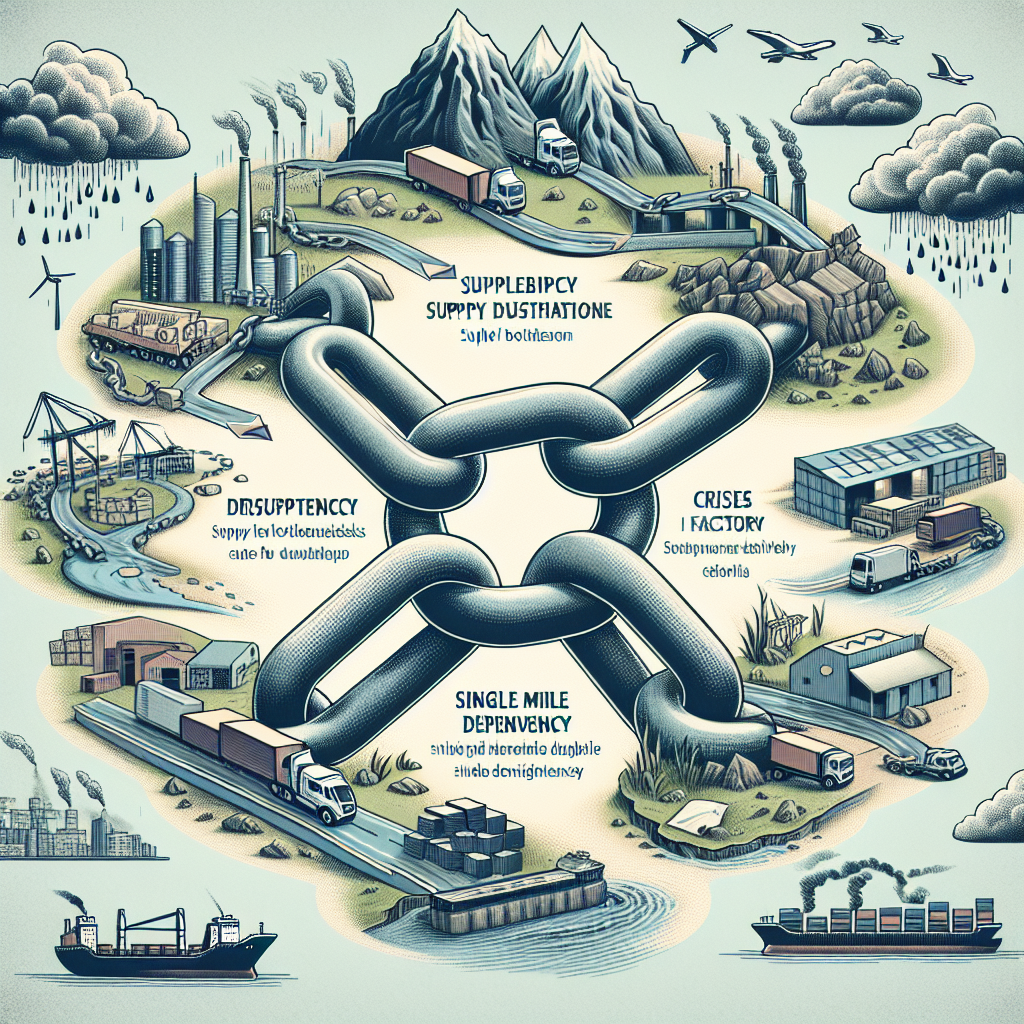




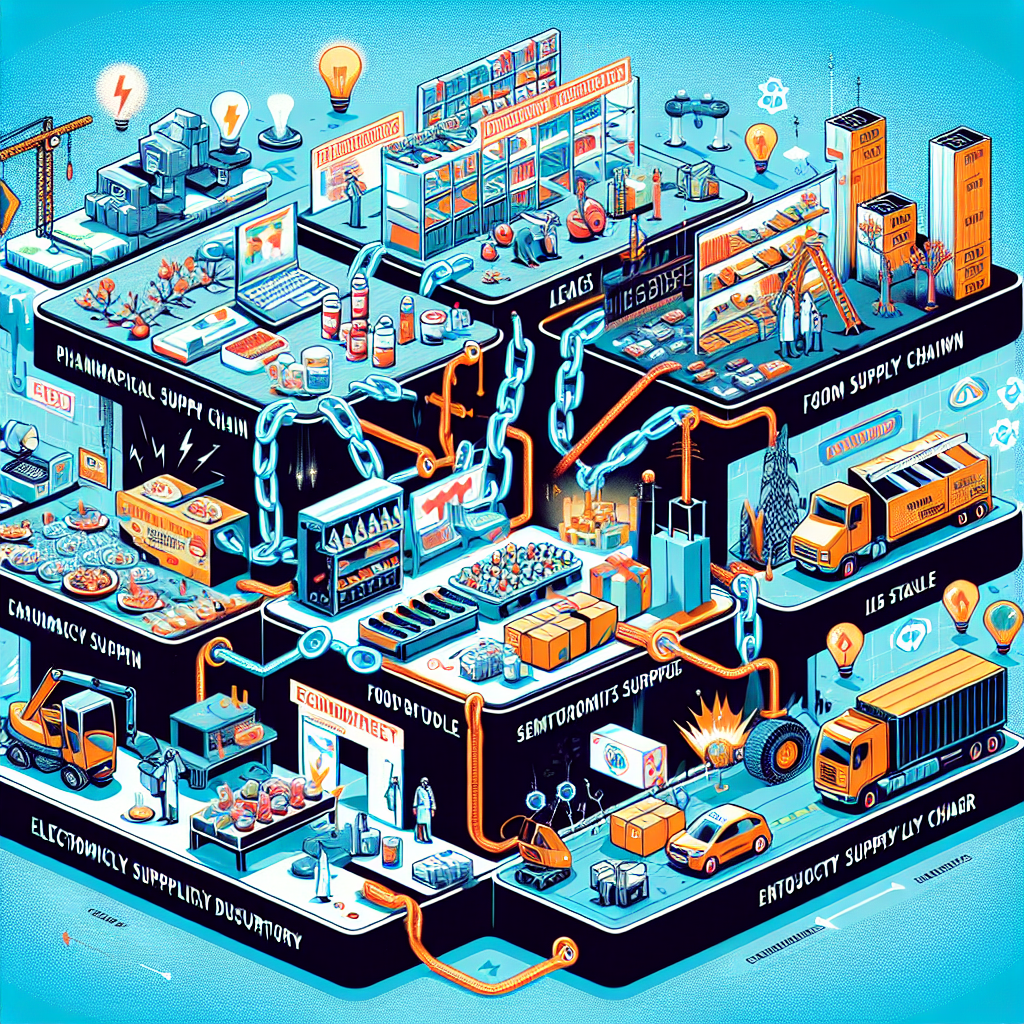
If you’ve noticed empty shelves, longer wait times, or skyrocketing prices lately, you’re not imagining things. Supply chains around the world are under serious pressure, and the ripple effects are touching just about every industry you can think of — from the pills in your medicine cabinet to the car sitting in your driveway. Let’s break down what’s happening, why it matters, and what it means for everyday life and business.
The Pharmaceutical Supply Chain Is Under Pressure
The pharmaceutical supply chain has been one of the most alarming areas of disruption. The U.S. Food and Drug Administration (FDA) currently lists hundreds of drugs in shortage, including critical medications like chemotherapy agents, antibiotics, and ADHD treatments. A huge part of the problem is that the U.S. relies heavily on active pharmaceutical ingredients (APIs) sourced from China and India — and any hiccup in those regions sends shockwaves through the entire system.
The medical supply shortage goes beyond just medications. Personal protective equipment (PPE), IV bags, and surgical tools are also caught in the crunch. Hospitals across the country have had to delay non-emergency procedures or find creative workarounds just to keep care moving. It’s a sobering reminder of how fragile our healthcare supply network really is.
For a deeper look at how procurement teams are adapting, check out the FDA’s drug shortage database to see what’s currently in short supply.
Key Points
● The FDA lists hundreds of drugs currently in shortage, including essential medications
● Over-reliance on foreign API manufacturers is a core vulnerability in the pharmaceutical supply chain
● Medical supply shortages are affecting hospital operations and patient care timelines
Food Supply Chain Disruption Is Hitting Grocery Stores and Restaurants
The food supply chain disruption is one that consumers feel most directly in their wallets. Extreme weather events, geopolitical tensions, and labor shortages have all combined to create a perfect storm of food insecurity and price inflation. The conflict in Ukraine, for example, significantly disrupted global wheat and sunflower oil exports, affecting food prices far beyond Eastern Europe.
On the domestic side, bird flu outbreaks devastated poultry flocks and pushed egg prices to record highs. Meanwhile, transportation bottlenecks and a shortage of truck drivers have made it harder and more expensive to move perishable goods from farms to distribution centers. Restaurants and food service companies have had to constantly pivot their menus and sourcing strategies just to stay afloat.
Key Points
● Geopolitical conflicts and extreme weather are major drivers of food supply chain disruption
● Bird flu outbreaks and transportation gaps have created localized but severe shortages
● Both consumers and businesses are absorbing higher costs as a result
The Semiconductor Shortage Is Still Reshaping Tech and Auto Industries
The semiconductor shortage that began during the pandemic has proven to be a long, slow burn rather than a quick fix. Chips are the backbone of modern manufacturing — they’re in everything from smartphones and laptops to refrigerators and medical devices. The automotive supply chain crisis was one of the most visible casualties: Ford, GM, and Toyota all reported significant production losses in recent years, with some automakers parking partially-built vehicles in lots waiting for chips to arrive.
While new fabs are being built in the U.S. and Europe thanks to initiatives like the CHIPS and Science Act, these facilities take years to become fully operational. Taiwan’s TSMC, which manufactures a massive share of the world’s most advanced chips, remains a geopolitical flashpoint that keeps supply chain planners up at night. The semiconductor shortage isn’t over — it’s just evolving.
Want to learn more about how manufacturers are managing sourcing strategies? Visit the Semiconductor Industry Association for the latest industry data and forecasts.
Key Points
● The semiconductor shortage continues to impact automotive, tech, and consumer electronics industries
● New domestic chip manufacturing plants are years away from full capacity
● Geopolitical risks around Taiwan remain a serious concern for global chip supply
Construction Supply Delays Are Stalling Projects Nationwide
Construction supply delays have become a painful reality for developers, contractors, and homebuyers alike. Materials like lumber, steel, copper wiring, and HVAC equipment have all faced extended lead times, sometimes stretching from weeks to months. These delays push back project completion dates, inflate costs, and in many cases force developers to redesign projects around available materials.
The residential housing market has felt this particularly hard. Builders who were already struggling to keep up with housing demand have found themselves stuck waiting on windows, roofing materials, or electrical components. According to the National Association of Home Builders (NAHB), material shortages and delivery delays remain among the top concerns for builders across the country.
Key Points
● Key materials like lumber, copper, and steel face extended lead times due to construction supply delays
● Housing projects are being pushed back and budgets are being stretched
● Builders are being forced to redesign or substitute materials to keep projects moving
Retail and Energy Supply Chains Are Feeling the Squeeze Too
The retail supply chain has undergone a wild ride in recent years — from pandemic-era toilet paper hoarding to post-pandemic overstock corrections. Now retailers are navigating a more nuanced challenge: balancing lean inventory strategies with the reality that disruptions can pop up without warning. Major retailers like Target and Walmart have been candid about the difficulties of forecasting demand when supply is this unpredictable.
Energy supply disruption is adding another layer of complexity across every sector. Fluctuating oil and gas prices, grid instability, and the uneven transition to renewable energy have created uncertainty for manufacturers, logistics companies, and consumers alike. When energy costs spike, everything from shipping to refrigeration to factory operations becomes more expensive — and those costs inevitably get passed downstream.
Key Points
● The retail supply chain is struggling to balance lean inventory with unpredictable disruptions
● Energy supply disruption is driving up costs across manufacturing, shipping, and logistics
● Both sectors are adapting strategies in real time to stay competitive
Key Takeaways
Supply chain disruptions aren’t isolated events — they’re interconnected crises that affect industries and consumers in overlapping ways. Understanding where the pressure points are is the first step toward making smarter sourcing and purchasing decisions.
● The pharmaceutical supply chain and medical supply shortage are creating real risks for patient care and drug availability
● Food supply chain disruption is driving up grocery and restaurant prices with no simple fix in sight
● The semiconductor shortage continues to ripple through automotive and tech manufacturing
● Construction supply delays are slowing housing and infrastructure development nationwide
● Energy supply disruption and retail supply chain volatility are adding cost and uncertainty across the board
Want to stay ahead of supply chain challenges and find reliable product and supplier information? Head over to BestInSupplies.com for expert guides, product comparisons, and resources to help you make smarter buying decisions — no matter what the supply chain throws your way.