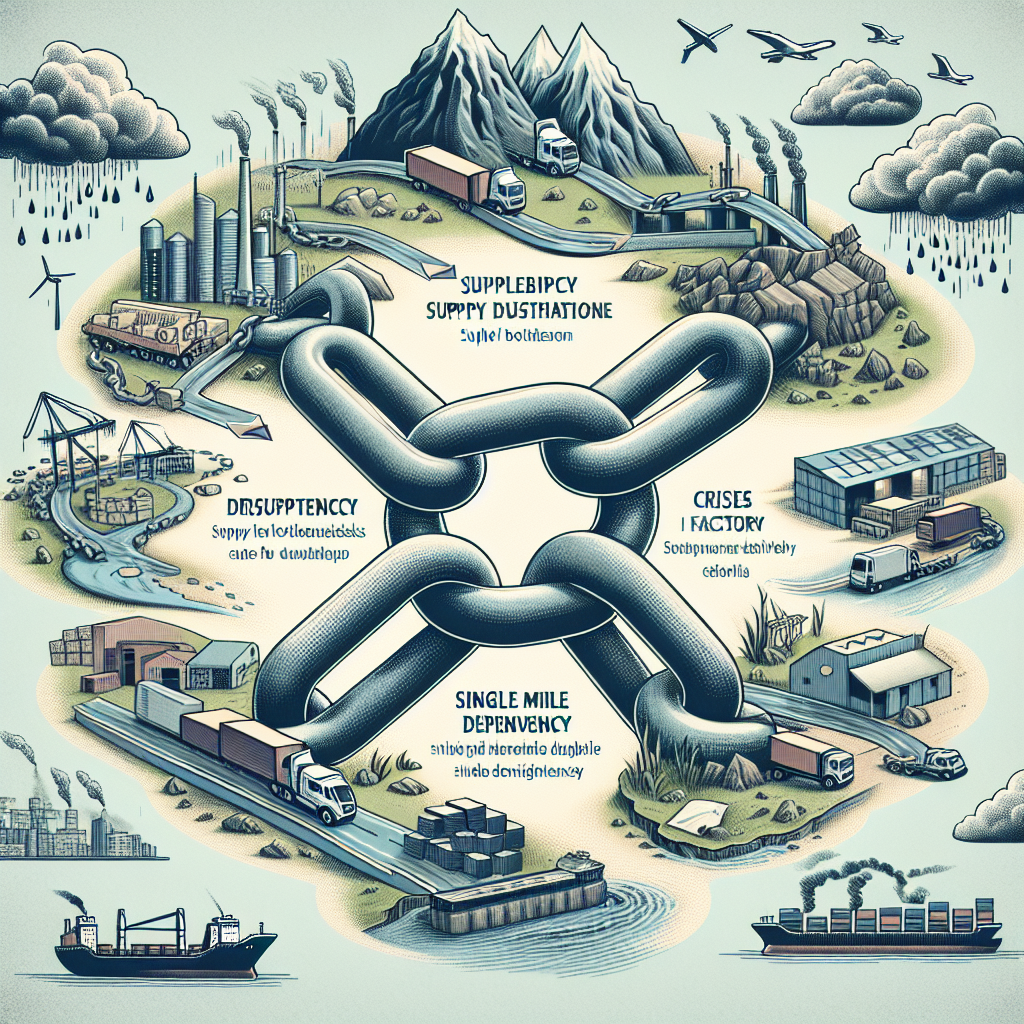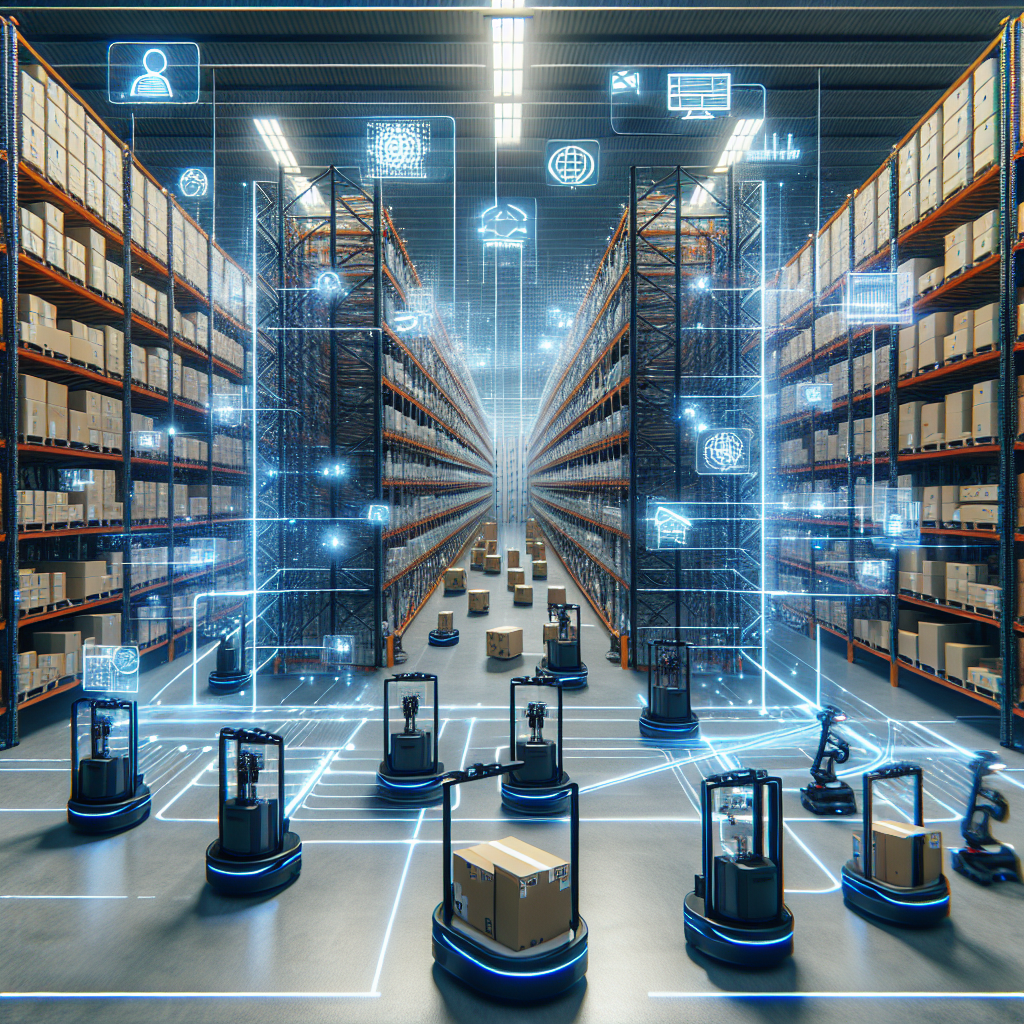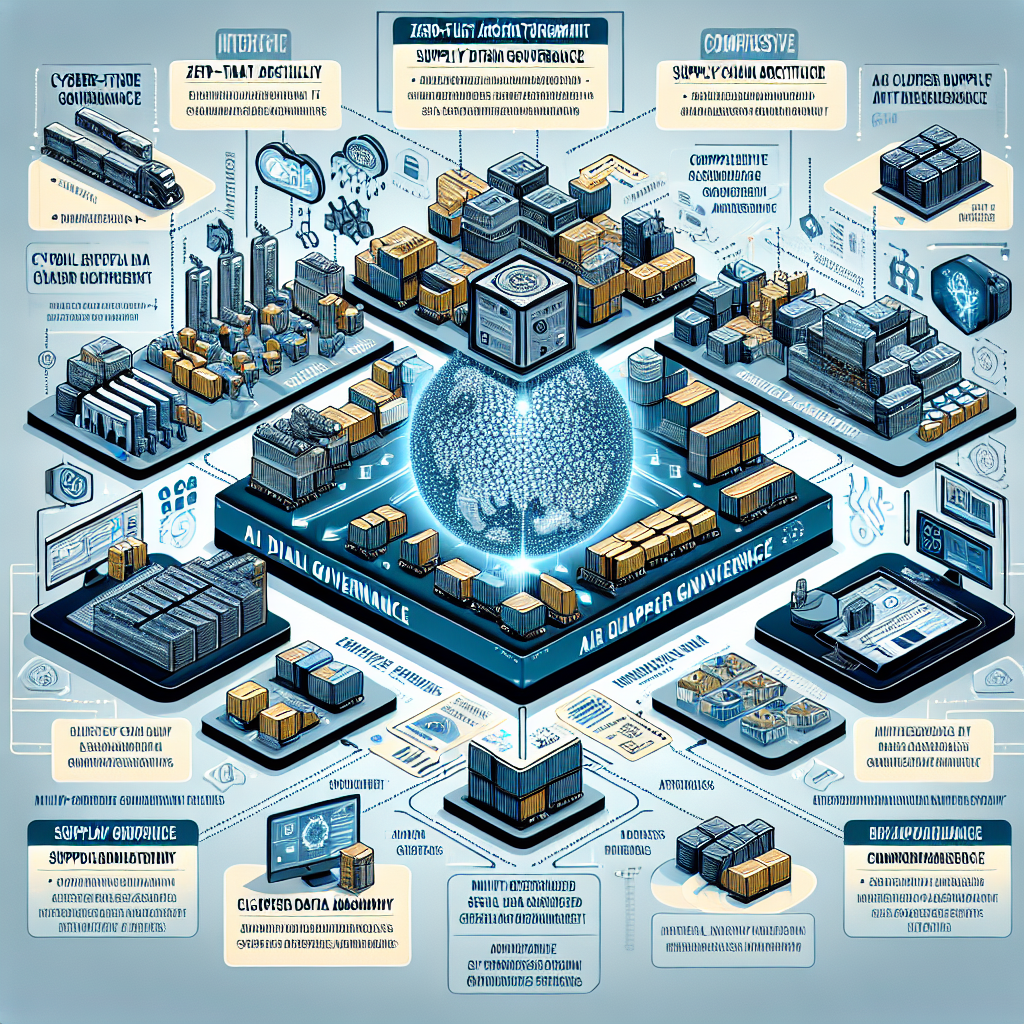






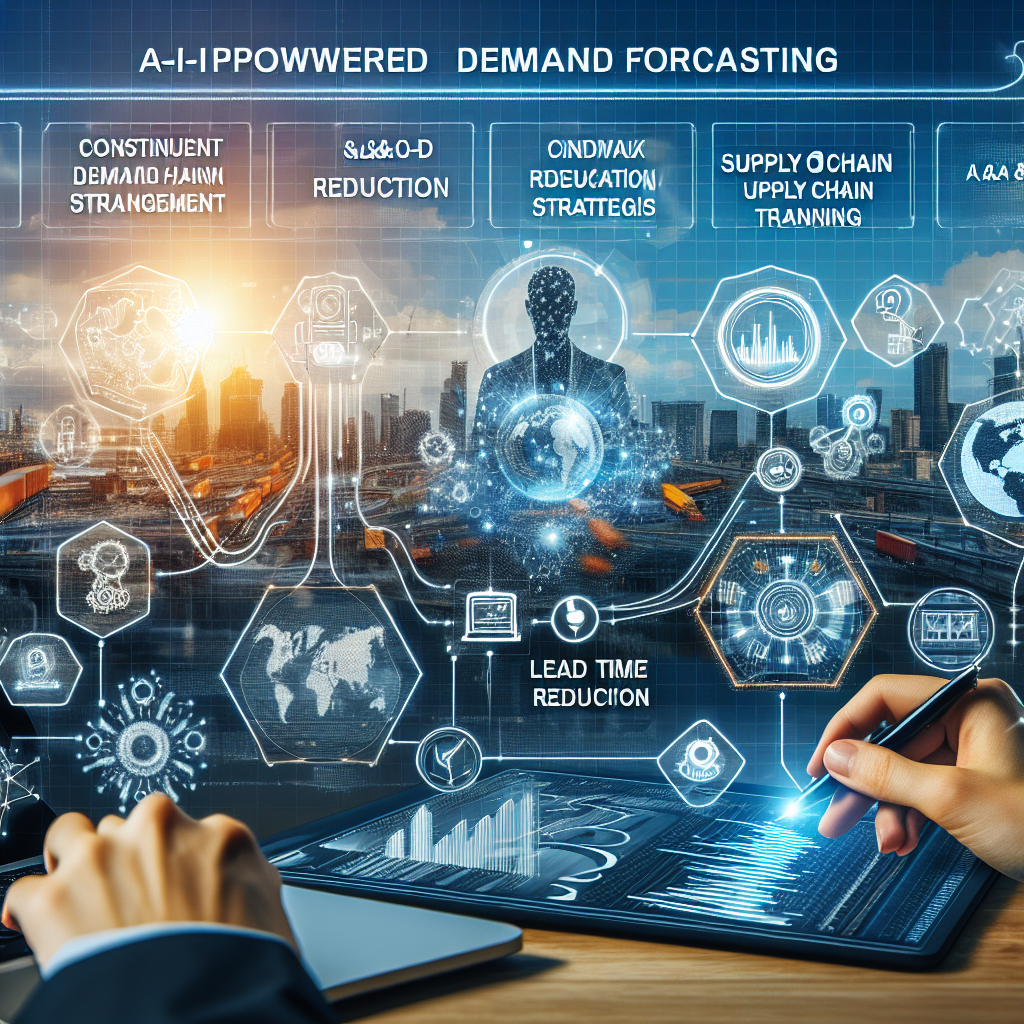
Supply chains have always been unpredictable, but the tools we use to manage them are getting a whole lot smarter. AI-powered demand forecasting is rapidly moving from a buzzword to a business necessity, helping companies anticipate what customers need before they even ask. Combine that with continuous S&OP planning, and you’ve got a recipe for a supply chain that’s genuinely agile — not just reactive.
What Is AI-Powered Demand Forecasting?
Demand forecasting has traditionally relied on historical sales data and a healthy dose of educated guessing. AI changes the game by analyzing massive datasets — weather patterns, economic indicators, social media trends, and more — to generate predictions that are faster and far more accurate than manual methods.
For example, companies like Amazon and Walmart have used machine learning models to reduce forecast error rates by up to 50%, according to industry research from McKinsey & Company. That kind of accuracy directly impacts inventory levels, customer satisfaction, and bottom-line profitability.
Unlike traditional approaches, AI models continuously learn and self-correct over time. They get smarter with every sales cycle, which means your forecasting accuracy compounds as the system matures.
● AI demand forecasting uses real-time, multi-variable data instead of static historical trends
● Machine learning models can reduce forecast error rates by up to 50%
● The system continuously improves as it processes new data
How Continuous S&OP Planning Transforms Supply Chain Operations
Continuous S&OP planning replaces the old monthly planning cycle with an always-on process that updates in near real-time. Instead of waiting weeks to adjust production or procurement decisions, teams can respond to demand signals almost immediately.
Traditional Sales and Operations Planning (S&OP) was designed for a slower-moving world. Today’s supply chain volatility — driven by geopolitical disruption, raw material shortages, and shifting consumer behavior — demands a more dynamic approach. Continuous S&OP integrates live data from sales, finance, and operations into a single source of truth that everyone can act on. Organizations that have adopted continuous planning report up to a 30% improvement in plan accuracy, according to research from Gartner.
When paired with AI-powered demand forecasting, continuous S&OP planning creates a feedback loop that keeps your entire supply chain aligned. Forecasts update automatically, planners get alerted to deviations, and decisions happen faster with greater confidence.
● Continuous S&OP replaces static monthly cycles with real-time, always-on planning
● Organizations using continuous planning see up to 30% better plan accuracy
● AI-driven S&OP creates a self-reinforcing feedback loop across departments
The Role of Supply Chain Analytics in Smarter Decision-Making
Supply chain analytics is the engine that powers both AI forecasting and continuous planning. It transforms raw operational data into actionable insights — telling you not just what happened, but what’s likely to happen next and why.
Advanced analytics platforms can monitor hundreds of supply chain variables simultaneously, flagging risks before they become disruptions. For instance, a mid-sized consumer goods company using predictive analytics was able to identify a supplier bottleneck three weeks in advance, allowing them to source alternative materials and avoid a costly production stoppage. That’s the kind of proactive decision-making that was nearly impossible with spreadsheet-based planning.
From demand sensing to network optimization, supply chain analytics gives planners the visibility they need to make confident, data-driven decisions. You can explore more tools and solutions that support this capability at BestInSupplies.com.
● Supply chain analytics converts raw data into actionable, forward-looking insights
● Predictive analytics can identify supplier risks weeks before they cause disruptions
● Analytics platforms provide end-to-end visibility across the entire supply chain
Lead Time Reduction: A Key Benefit of AI-Driven Forecasting
Lead time reduction is one of the most tangible outcomes when companies adopt AI-powered demand forecasting and continuous planning. When you know what you’ll need and when you’ll need it, you can place orders earlier, consolidate shipments more efficiently, and eliminate the firefighting that eats up so much time and budget.
A real-world example: a global electronics manufacturer implemented an AI forecasting platform and achieved a 22% reduction in average lead times within the first year of deployment, as reported by Supply Chain Digital. The savings came from better supplier coordination, reduced last-minute procurement, and fewer stockout events that previously forced expensive expedited shipping.
Lead time reduction also has a ripple effect on customer experience. Shorter, more reliable lead times mean fewer backorders, more accurate delivery promises, and stronger customer loyalty — all things that matter to the bottom line.
● AI forecasting enables earlier procurement decisions, directly shrinking lead times
● One electronics manufacturer cut average lead times by 22% using AI tools
● Shorter lead times improve delivery reliability and customer satisfaction
Getting Started with AI and Continuous Planning in Your Supply Chain
Start with Data Quality
Before any AI tool can deliver value, your data needs to be clean, consistent, and centralized. Audit your current data sources and eliminate silos that prevent a unified view of demand and supply signals.
Choose Scalable Technology
Look for platforms that integrate with your existing ERP and procurement systems. Scalable solutions grow with your business and don’t require a complete infrastructure overhaul to get started.
Build Cross-Functional Alignment
Continuous S&OP planning only works when sales, finance, and operations teams are working from the same data. Invest in change management alongside technology to ensure adoption across departments.
● Clean, centralized data is the foundation of any successful AI forecasting initiative
● Choose platforms that integrate with existing ERP and procurement systems
● Cross-functional alignment is just as important as the technology itself
Key Takeaways
AI-powered demand forecasting and continuous S&OP planning are no longer optional extras — they’re becoming the standard for competitive supply chain management. Whether you’re trying to cut lead times, improve forecast accuracy, or get ahead of disruption, these tools give you the edge to act with confidence.
● AI-powered demand forecasting uses real-time, multi-variable data to dramatically improve accuracy
● Continuous S&OP planning replaces slow monthly cycles with always-on, responsive decision-making
● Supply chain analytics provides the visibility needed to act proactively, not reactively
● Lead time reduction is a measurable, near-term benefit of adopting AI-driven planning
● Success requires clean data, the right technology, and strong cross-functional collaboration
Want to explore more tools, strategies, and resources to sharpen your supply chain operations? Visit BestInSupplies.com for expert insights, product comparisons, and guides designed to help supply chain professionals make smarter decisions every day.