






Understanding Supply Chain Disruption in the Modern Era
Supply chain disruption has evolved from an occasional operational inconvenience into one of the most critical threats facing businesses today. Whether triggered by a global pandemic, geopolitical conflict, natural disaster, or a sudden supplier failure, the ripple effects of a broken supply chain can devastate businesses of every size and industry. Companies that once operated on lean, just-in-time models are now discovering the hidden costs of prioritizing efficiency over resilience.
The COVID-19 pandemic exposed just how fragile global supply chains truly are. Port congestion, freight delays, raw material shortages, and last mile delivery problems cascaded simultaneously, catching even the most sophisticated organizations off guard. Many businesses had no contingency plans, no alternative suppliers, and no real-time visibility into where their vulnerabilities lay. The result was empty shelves, delayed production, lost revenue, and damaged customer relationships that took years to repair.
Today, supply chain risk management is no longer optional. It is a strategic imperative. Companies that invest in understanding their supply chain vulnerabilities and building genuine resilience are not just protecting themselves from future shocks — they are gaining a meaningful competitive advantage in an increasingly unpredictable world.
What Causes Supply Chain Disruption?
Supply chain disruption can originate from an enormous range of sources, and understanding these root causes is the first step toward effective supply chain risk management. Disruptions rarely arrive with warning, and they often compound one another in ways that make recovery far more difficult than anticipated.
External Shocks and Macro-Level Events
Natural disasters, pandemics, wars, and extreme weather events represent the most dramatic and visible causes of supply chain shock. These macro-level events can simultaneously disrupt manufacturing, logistics, and demand in ways that no single contingency plan can fully address. The 2011 earthquake and tsunami in Japan, for example, shut down semiconductor and automotive production globally, demonstrating how deeply interconnected modern supply chains truly are.
Geopolitical tensions have become an increasingly significant driver of supply chain disruption. Trade wars, sanctions, export controls on critical materials, and shifting political alliances can instantly transform a reliable supplier into an inaccessible one. Companies with heavy dependence on manufacturing concentrated in a single country or region are especially vulnerable to these geopolitical supply chain shocks.
Structural Vulnerabilities Within the Supply Chain
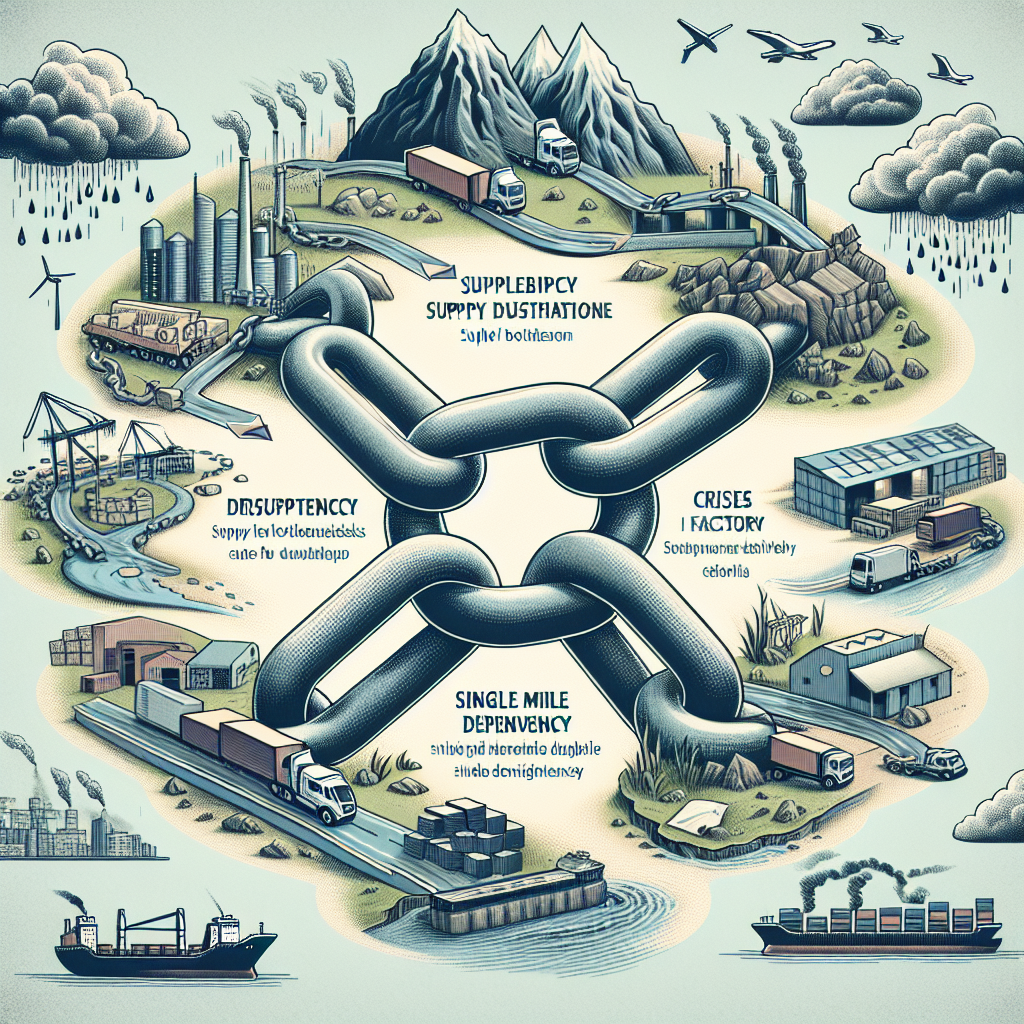
Beyond external events, many supply chain disruptions are caused or significantly worsened by structural weaknesses within the supply chain itself. Single source dependency is among the most dangerous of these vulnerabilities. When a company relies on a single supplier for a critical component or raw material, any disruption at that supplier — whether from fire, bankruptcy, labor dispute, or quality failure — can bring production to a complete halt.
Supply chain fragility is often the unintended consequence of aggressive cost-cutting and lean inventory practices. While eliminating buffer stock and streamlining supplier relationships reduces costs during stable periods, it leaves almost no margin for error when conditions change. Companies that have optimized for efficiency at the expense of flexibility frequently find themselves unable to respond quickly when supply chain bottlenecks emerge.
Supplier failure represents another critical structural risk. Many companies do not have deep visibility into their tier-two and tier-three suppliers — the suppliers of their suppliers. A disruption several levels deep in the supply chain can propagate upward with surprising speed, and without visibility into those relationships, businesses may not even realize a problem exists until it is too late to act.
Logistics and Transportation Disruptions
Logistics disruption is a frequent and often underestimated driver of supply chain problems. Port congestion, transportation bottlenecks, driver shortages, fuel price volatility, and infrastructure failures can all create significant delays even when manufacturing and sourcing are functioning normally. The 2021 Suez Canal blockage illustrated dramatically how a single logistics chokepoint can disrupt global trade flows for weeks.
Freight delays have become a persistent feature of the post-pandemic supply chain environment. Container shortages, imbalanced trade flows, and surging e-commerce demand have combined to make reliable freight capacity genuinely difficult to secure. Companies that depend on predictable, low-cost ocean freight have found themselves scrambling for air freight alternatives at dramatically higher cost — when space is even available.
Cold chain disruption presents a uniquely severe risk for industries dealing in perishable goods, pharmaceuticals, and temperature-sensitive products. Unlike general freight delays, cold chain failures can result in total product loss with no possibility of recovery. The vulnerability of cold chain logistics to power outages, equipment failures, and transportation delays demands a higher level of contingency planning than most other supply chain segments.
Last mile delivery problems have grown in significance as e-commerce has transformed consumer expectations. The final segment of the delivery journey — from a distribution hub to the end customer — is often the most expensive, most complex, and most prone to failure. Labor shortages, address inaccuracies, access challenges, and peak demand surges all contribute to last mile delivery failures that damage customer relationships and brand reputation.
How to Identify Supply Chain Vulnerabilities
Identifying supply chain vulnerabilities requires a systematic, rigorous approach that goes well beyond simply mapping your immediate suppliers. True vulnerability identification demands visibility into the full depth and breadth of your supply chain, along with honest assessment of where fragility exists and what the consequences of failure would be.
Conducting a Comprehensive Supply Chain Mapping Exercise
The foundation of supply chain vulnerability identification is thorough supply chain mapping. This means documenting not just your direct suppliers but the full network of relationships that ultimately deliver goods and materials to your operation. For most companies, this will reveal a far more complex and interconnected web of dependencies than was previously understood.
Effective supply chain mapping should identify every critical node in the network — the suppliers, logistics providers, distribution centers, and transportation routes upon which your production and delivery depend. For each node, you need to understand what would happen if that node failed. How quickly could you find an alternative? How long could you continue operating without it? What would the financial and reputational consequences be?
Pay particular attention to identifying single source dependencies at every tier of your supply chain. Any point where you have only one viable source of supply — whether for a raw material, a specialized component, or a logistics service — represents a critical vulnerability that demands specific mitigation strategies.
Assessing Risk Probability and Impact
Not all supply chain vulnerabilities carry equal risk. Once you have mapped your supply chain, the next step is to assess both the probability and the potential impact of disruption at each critical point. This risk assessment should be informed by historical data, industry intelligence, and honest evaluation of the geopolitical, environmental, and operational context in which each supplier operates.
High-probability, high-impact vulnerabilities require immediate attention and robust mitigation strategies. Lower-probability vulnerabilities may still warrant contingency planning if the potential impact of disruption would be catastrophic. The goal is not to eliminate all risk — that is neither possible nor economically rational — but to ensure that you understand your risk exposure and have made conscious, informed decisions about how to manage it.
Supply chain fragility assessments should also consider concentration risk — not just single source dependency for individual components, but geographic concentration of suppliers, logistics routes, and distribution infrastructure. A supply chain that draws heavily from a single region is exposed to regional disruptions that could simultaneously affect multiple suppliers and logistics providers.
Leveraging Technology for Real-Time Supply Chain Visibility
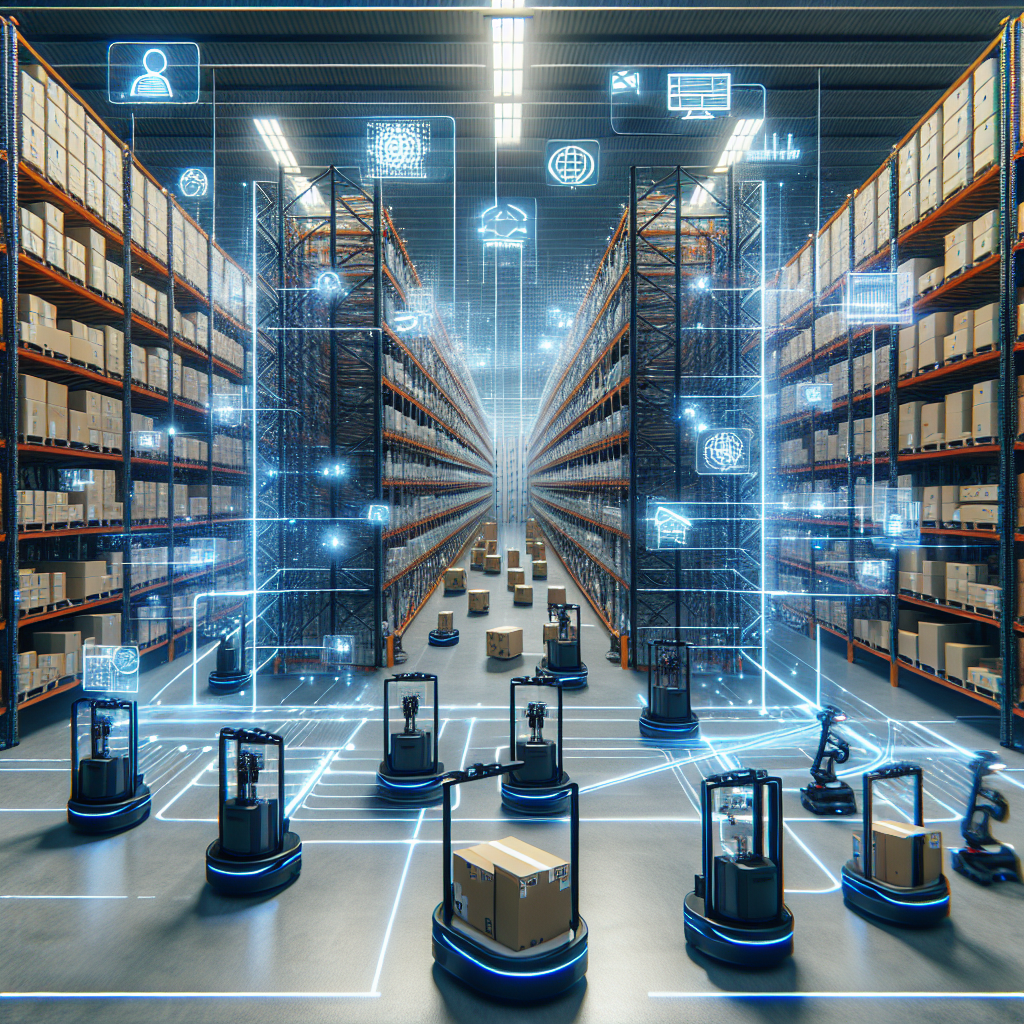
Modern supply chain risk management increasingly depends on technology to provide the real-time visibility needed to identify emerging vulnerabilities and respond quickly to disruptions. Supply chain management platforms, supplier risk monitoring tools, and advanced analytics can provide early warning of potential supply shortages, supplier financial distress, logistics disruptions, and other emerging risks.
Artificial intelligence and machine learning are beginning to transform supply chain vulnerability identification. These technologies can analyze vast quantities of data — including supplier financial performance, news events, weather patterns, port performance metrics, and freight market conditions — to identify emerging risks before they become full-scale supply chain crises. Companies that invest in these capabilities are building a significant advantage in their ability to anticipate and respond to disruption.
IoT sensors and real-time tracking technology are particularly valuable for cold chain management, where the ability to detect temperature excursions or equipment failures immediately can mean the difference between product recovery and total loss. Investment in supply chain technology is increasingly inseparable from investment in supply chain resilience.
Building True Supply Chain Resilience
Identifying vulnerabilities is essential, but the ultimate goal of supply chain risk management is building genuine resilience — the ability to absorb disruption and recover quickly without catastrophic impact on operations, customers, or financial performance. True supply chain resilience is not about eliminating risk. It is about building the capacity to withstand shocks and adapt to changing conditions.
Diversifying Your Supplier Base
One of the most effective strategies for building supply chain resilience is deliberate supplier diversification. Reducing single source dependency by qualifying and developing relationships with multiple suppliers for critical components and materials provides a fundamental buffer against supplier failure and supply shortage.
Supplier diversification should be pursued both at the level of individual suppliers and at the geographic level. Distributing sourcing across multiple regions reduces exposure to regional supply chain shocks — whether from natural disasters, geopolitical tensions, or local regulatory changes. While geographic diversification may introduce some additional cost and complexity, the resilience it provides is typically well worth the investment when disruption occurs.
Building and maintaining relationships with qualified backup suppliers requires ongoing investment even when those suppliers are not actively used. Periodic orders, regular communication, and joint planning exercises help ensure that backup suppliers remain capable, motivated, and ready to scale up when needed. A backup supplier that exists only on paper provides far less value than one with whom a real working relationship has been established.