


Supply Chain Resilience in 2025: Digital Twins, AI Governance & Zero-Touch Logistics Strategies
Supply chains have never been under more pressure — and the companies winning right now aren’t just reacting faster, they’re building smarter foundations from the ground up. From AI-driven decision-making to real-time chokepoint tracking, the strategies reshaping global logistics are more accessible than ever. Let’s break down what’s actually working and how forward-thinking teams are putting it all together.
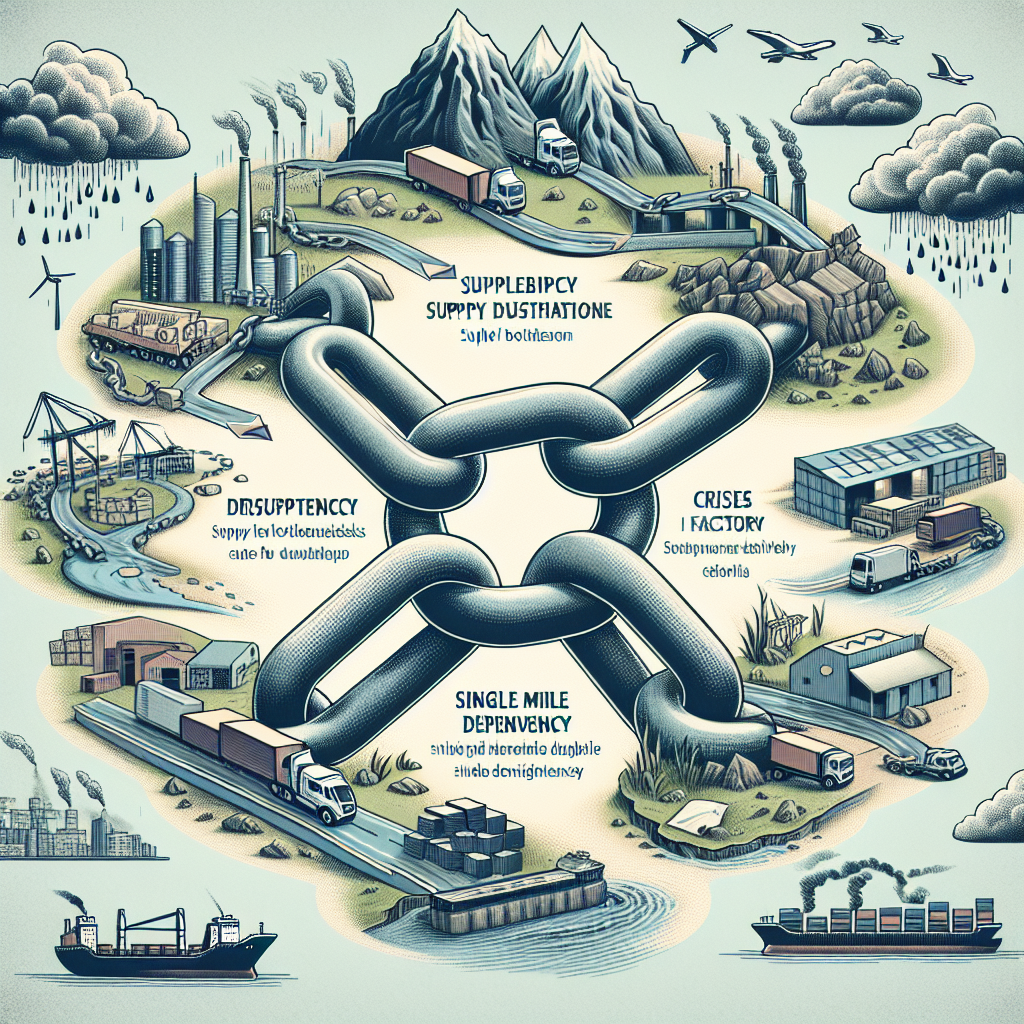
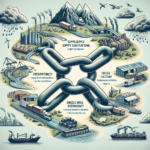
Why Supply Chain Resilience Strategies Have Evolved Beyond Buffering
For years, the standard playbook for handling disruption was simple: hold more inventory and diversify suppliers. That approach worked — until it didn’t. Today’s disruptions are faster, more interconnected, and harder to predict, which means reactive buffering alone leaves too much on the table.
Modern supply chain resilience strategies are shifting toward dynamic sensing and response. Companies like Unilever and Maersk have publicly discussed moving from static risk registers to live risk monitoring systems that flag issues before they cascade. It’s less about having a backup plan and more about never being caught off guard in the first place.
This evolution also reflects a broader truth: resilience is now a competitive differentiator, not just a risk management checkbox. Organizations that invest in adaptive infrastructure are seeing measurable improvements in service levels, cost containment, and supplier relationships — all at once.
● Traditional buffering strategies are giving way to predictive, adaptive resilience models
● Leading companies are investing in live monitoring rather than static contingency planning
● Resilience now directly impacts revenue performance, not just risk mitigation
Supply Chain Digital Twins: Your Virtual Command Center
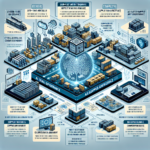
Supply chain digital twins are one of the most exciting developments in operations right now — and they’re finally moving out of pilot programs and into production environments. A digital twin is essentially a live, virtual replica of your entire supply chain that mirrors real-world conditions as they change. Think of it as Google Maps for your operations, but with predictive rerouting built in.
Gartner estimates that by the mid-2020s, over 50% of large global companies will be using digital twins to support supply chain decisions. Companies like Siemens and BMW have already deployed them to model everything from supplier lead times to last-mile delivery windows — reducing planning cycle times by as much as 30% in documented cases. These aren’t just fancy dashboards; they’re scenario-testing engines that let teams ask “what if” before committing real resources.
The real power of supply chain digital twins comes from integration — connecting ERP systems, IoT sensor data, weather feeds, and supplier portals into one coherent model. When you can visualize how a port delay in Rotterdam ripples through to a retail shelf in Chicago, decision-making becomes dramatically more confident and precise.
● Digital twins create a live virtual model of your supply chain for real-time scenario planning
● Integration with IoT and ERP systems is what makes them truly actionable
● Documented cases show up to 30% reductions in planning cycle times
Real-Time Chokepoint Tracking: Seeing Around Corners
Real-time chokepoint tracking is exactly what it sounds like — the ability to monitor high-risk nodes in your supply chain as disruptions unfold, rather than learning about them after shipments are already delayed. Chokepoints can be physical (major ports, border crossings, key manufacturing regions) or systemic (single-source components, sole-qualified suppliers).
The Suez Canal blockage in 2021 was a wake-up call for the industry, but it also accelerated adoption of real-time visibility tools. Platforms like project44, FourKites, and Resilinc now offer real-time chokepoint tracking capabilities that combine satellite data, news feeds, geopolitical risk scores, and carrier data into a unified alerting system. Some customers have reported reducing response time to major disruptions from days to hours using these tools.
Beyond external events, chokepoint tracking also highlights internal vulnerabilities — like over-reliance on a single distribution center or a supplier tier that’s invisible to most procurement teams. You can learn more about how leading visibility platforms work by visiting Gartner’s Supply Chain Research Hub for independent analysis and vendor comparisons.
● Chokepoint tracking covers both physical logistics nodes and systemic supply dependencies
● Leading platforms combine satellite, carrier, and geopolitical data into unified alerts
● Response times to major disruptions have dropped from days to hours with the right tools
Multi-Tier Supplier Visibility: Seeing Past Your Tier-1 Relationships
Most companies have a solid view of their direct (Tier-1) suppliers — but that’s actually where visibility often stops. The reality is that most disruptions originate in Tier-2 and Tier-3 suppliers, the ones supplying your suppliers. Multi-tier supplier visibility is the practice of mapping and monitoring these deeper relationships before problems surface.
The automotive and semiconductor industries learned this lesson the hard way during the chip shortage of the early 2020s. Many OEMs had no idea how exposed they were until production lines went dark. In response, companies like Ford and Toyota invested heavily in mapping their extended supply networks — sometimes discovering hundreds of previously unknown sub-tier suppliers in high-risk geographies. Multi-tier supplier visibility doesn’t just identify risk; it also uncovers opportunities to consolidate, negotiate, and build redundancy where it matters most.
Building this kind of visibility requires a mix of supplier onboarding processes, network-mapping software, and collaborative data sharing agreements. Tools like Elementum, Riskmethods (now Sphera), and TealBook have made it easier to automate much of this discovery work without requiring manual surveys at every tier. For practical guidance on supplier management tools, explore the resources available at BestInSupplies.com.
● Most supply disruptions originate at Tier-2 or Tier-3 levels, not with direct suppliers
● Mapping extended supplier networks reveals both hidden risks and consolidation opportunities
● Automation tools are making multi-tier mapping faster and less reliant on manual outreach
Zero-Touch Logistics Orchestration: Automating the Mundane to Focus on What Matters
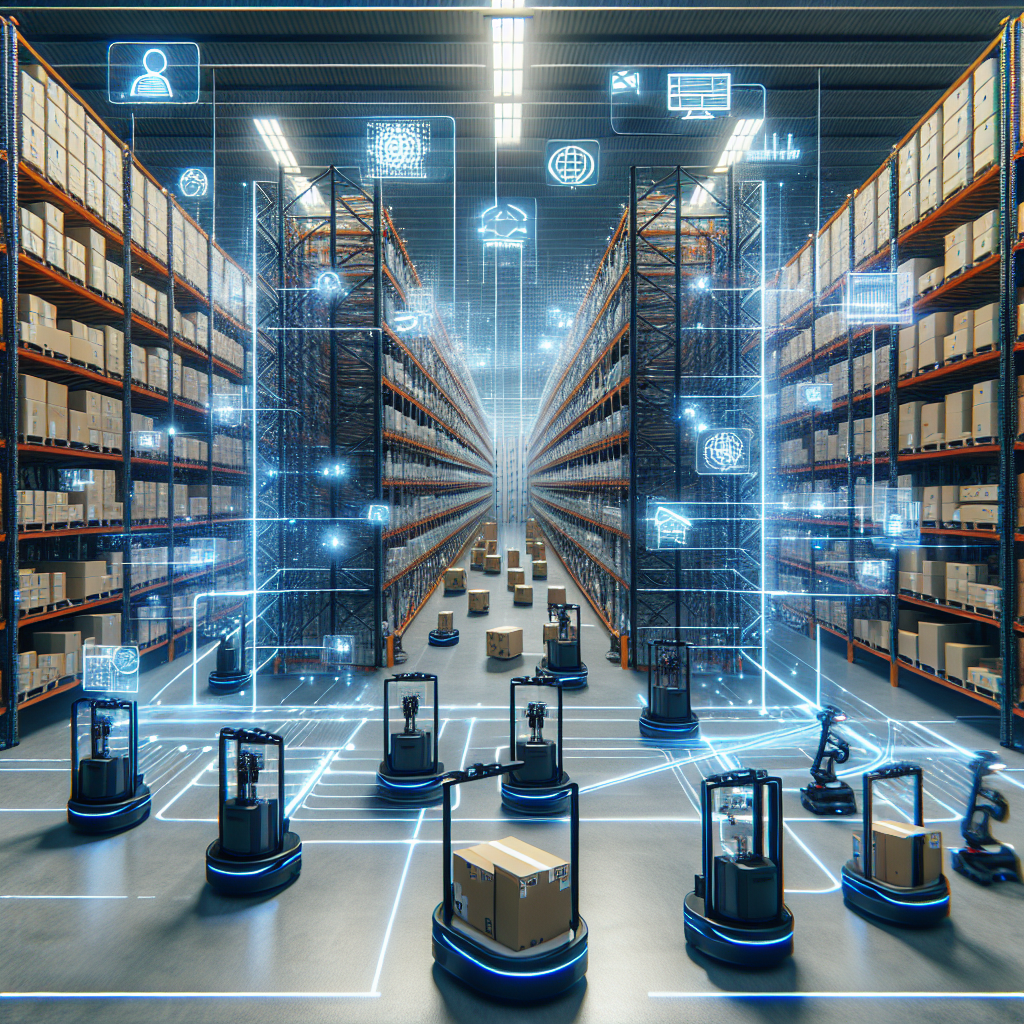
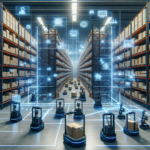
Zero-touch logistics orchestration refers to the automation of routine logistics decisions — carrier selection, load tendering, exception handling, customs documentation — without human intervention at every step. The goal isn’t to remove people from the loop entirely, but to free them up for the complex decisions that actually require judgment.
Companies like Amazon and DHL have been pioneers here, but the technology is now reaching mid-market operators too. Modern transportation management systems (TMS) like Blue Yonder, Oracle, and MercuryGate are embedding AI decision engines that can auto-select carriers based on real-time rate, reliability, and sustainability data — processing thousands of micro-decisions daily at a speed no human team could match. Early adopters of zero-touch logistics orchestration are reporting operational cost reductions in the range of 15–25% alongside meaningful improvements in delivery reliability.
The key to making zero-touch work is strong data hygiene and clear exception protocols. When the system encounters something outside its parameters — say, a capacity crunch during a weather event — it needs to escalate quickly and cleanly to the right person. Without that handoff logic, automation can actually slow things down. For more on building automation-ready operations, the Supply Chain Digital resource hub is a great starting point for industry case studies.
● Zero-touch orchestration automates routine logistics decisions to free teams for higher-value work
● AI-powered TMS platforms can process thousands of carrier and routing decisions daily
● Early adopters are seeing 15–25% cost reductions alongside better delivery performance
AI Governance in Supply Chain: Getting the Rules Right Before Scaling Up
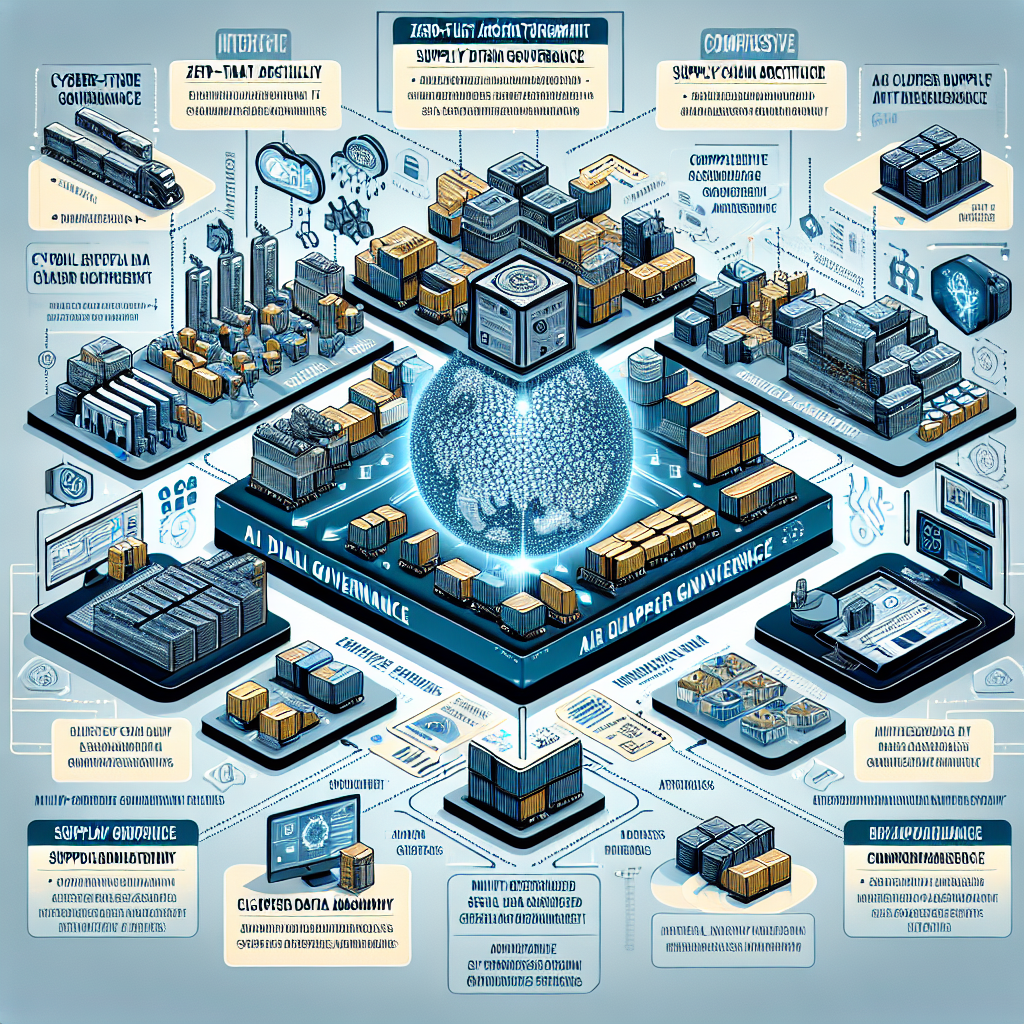
As AI becomes more embedded in supply chain operations, AI governance in supply chain has moved from a compliance concern to a strategic imperative. Governance here means establishing clear policies around how AI models are trained, how their decisions are audited, and what human oversight looks like when things go sideways.
The risks of skipping governance are real. In one high-profile case, a major retailer’s demand-forecasting AI over-ordered seasonal inventory by 40% due to a training data anomaly — a costly mistake that proper model auditing would likely have caught. AI governance in supply chain frameworks typically address model transparency (can you explain why the AI made a decision?), bias detection (are certain supplier regions systematically underweighted?), and fallback procedures (what happens when the model confidence score drops below threshold?). The EU AI Act, now in effect, is also pushing companies with European operations to formalize these practices.
Getting governance right doesn’t mean slowing down AI adoption — it means scaling it with confidence. Companies that have invested in structured AI oversight tend to deploy models faster in the long run because they’ve already built the trust and audit trails that stakeholders require. Think of governance as the guardrails that let you drive faster, not slower.