





Title:
Introduction
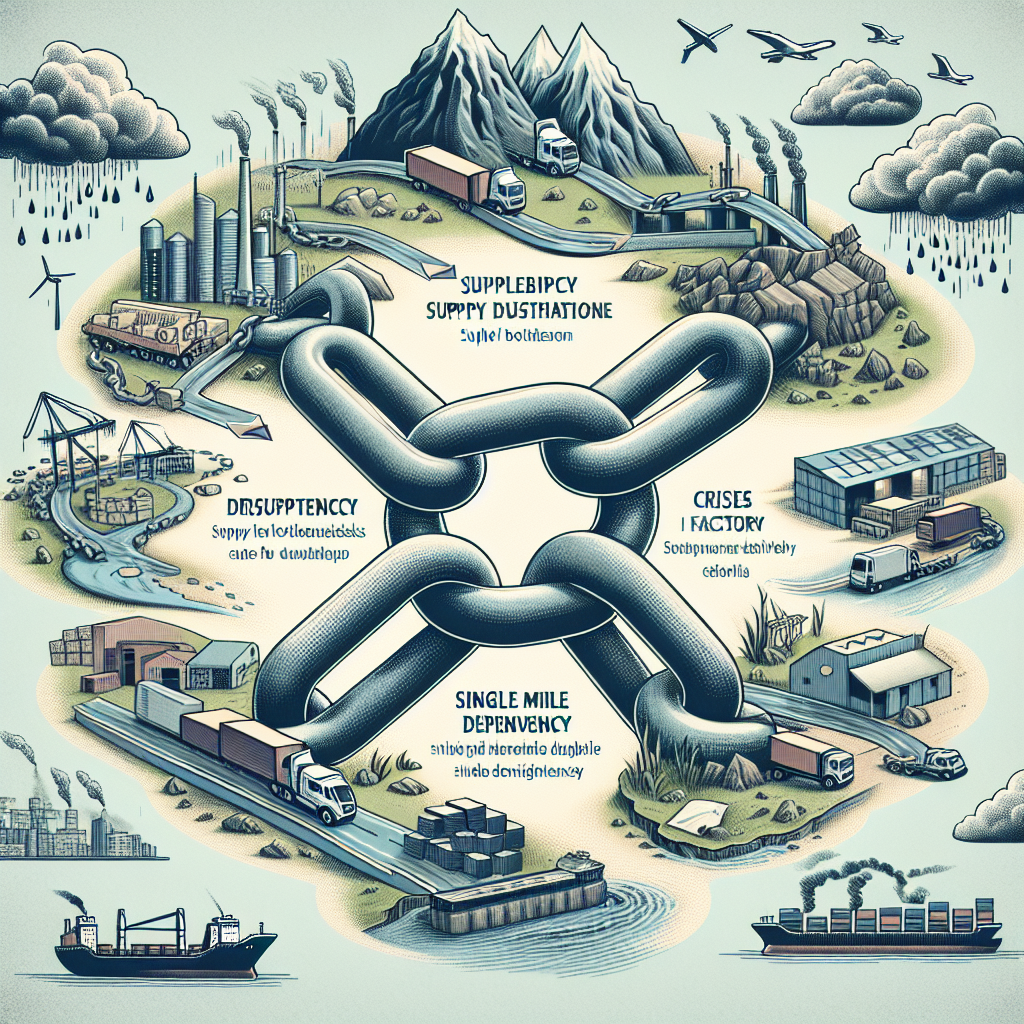
Supply chain disruption has become one of the most pressing challenges facing businesses across every industry. From global pandemics to geopolitical conflicts, natural disasters to raw material shortages, the modern supply chain is exposed to an extraordinary range of risks that can cripple operations overnight.
The COVID-19 pandemic served as a brutal wake-up call for companies that had optimized their supply chains for efficiency at the expense of resilience. Factories shut down, ports became congested, freight delays spiraled out of control, and supplier failure cascaded across entire industries. What followed was a supply chain crisis that exposed just how fragile global trade networks had become.
Building true resilience is no longer optional. It is a strategic imperative. This guide will walk you through the most critical supply chain vulnerabilities, how to identify them within your own operations, and the proven strategies that help businesses survive and thrive through supply chain shock.
Understanding Supply Chain Disruption
What Is Supply Chain Disruption?
Supply chain disruption refers to any event or series of events that interrupts the normal flow of goods, materials, or services from origin to end customer. These disruptions can be sudden or gradual, localized or global, and they can strike at any point in the supply chain network.
Unlike minor operational hiccups, true supply chain disruptions have the potential to halt production, delay deliveries, inflate costs, and damage customer relationships. In severe cases, they can threaten the financial viability of a business entirely.
The Difference Between Supply Chain Fragility and Resilience
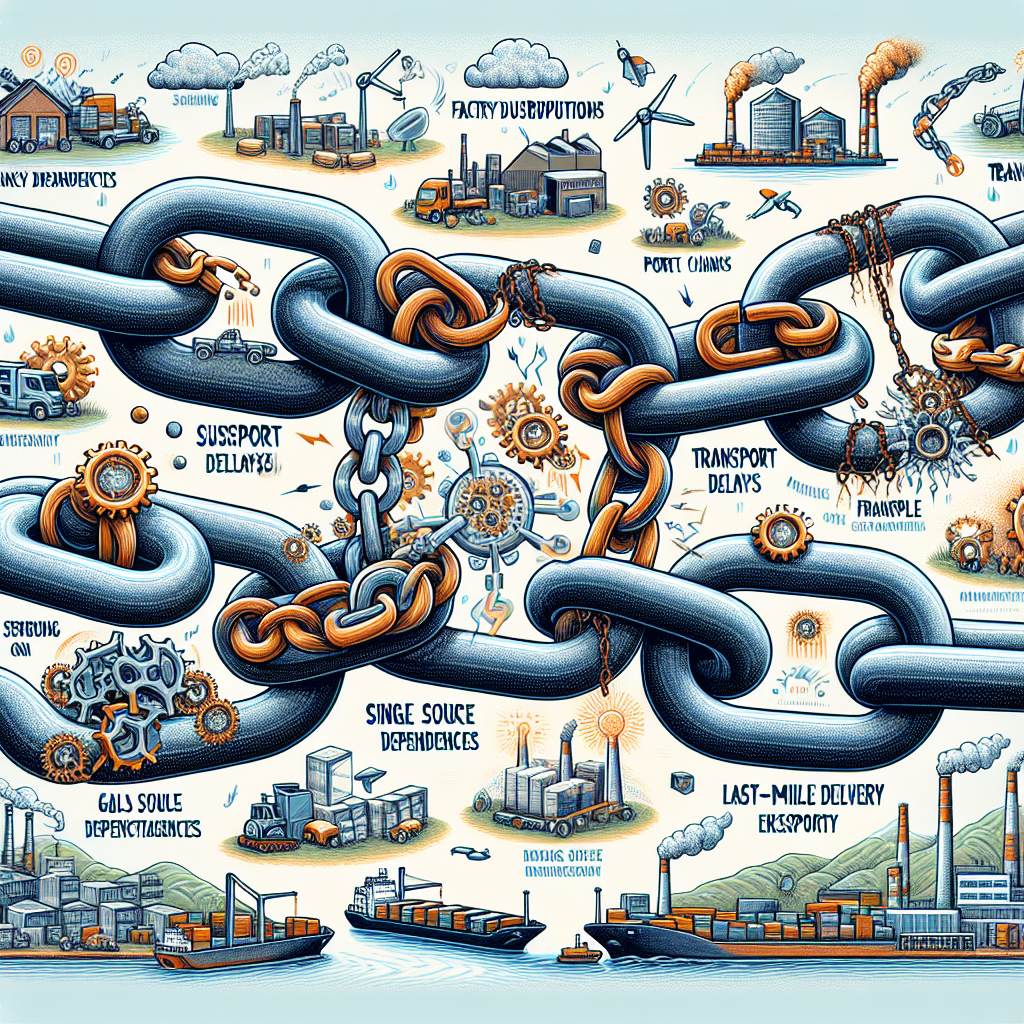
Supply chain fragility describes a network that is highly optimized for cost and speed but lacks the flexibility to absorb shocks. Fragile supply chains are built on lean inventories, single source dependency, and tightly synchronized logistics with no redundancy built in.
Supply chain resilience, on the other hand, refers to the ability of a supply network to anticipate disruptions, adapt to changing conditions, and recover quickly from unexpected events. A resilient supply chain does not necessarily avoid all disruptions, but it minimizes their impact and recovers faster than competitors.
Common Causes of Supply Chain Disruption
Raw Material Shortage
Raw material shortage is one of the most common triggers of supply chain bottlenecks. When the availability of essential inputs declines, whether due to geopolitical tension, environmental disaster, or market speculation, manufacturers face immediate production slowdowns or complete halts.
The global semiconductor shortage that began in 2020 and continued for years afterward is a textbook example of how a raw material shortage in one sector can cascade across dozens of industries, from automotive manufacturing to consumer electronics and medical devices.
Supplier Failure
Supplier failure occurs when a key vendor is unable to fulfill its contractual obligations. This can result from financial insolvency, operational collapse, quality failures, or capacity limitations. When a critical supplier fails, companies with no backup options face severe supply shortages with little warning.
The risk of supplier failure is amplified when businesses rely heavily on single source dependency, meaning they source a critical component or material from only one vendor. This creates a single point of failure that can bring operations to a standstill.
Logistics Disruption
Logistics disruption encompasses a broad range of issues that prevent goods from moving efficiently through the supply chain. Freight delays, port congestion, transportation bottlenecks, driver shortages, and customs delays all fall under this category.
During periods of peak demand or global crisis, logistics networks can become overwhelmed. Port congestion, as seen at major global hubs during the pandemic, can create weeks or even months of delay in the movement of goods, triggering inventory shortages and supply chain crises across multiple industries simultaneously.
Cold Chain Disruption
Cold chain disruption is a particularly severe form of logistics failure that affects temperature-sensitive goods such as pharmaceuticals, food products, and biological materials. When refrigeration equipment fails, power outages occur, or transit times are extended beyond acceptable limits, entire shipments can be rendered unusable.
Industries that depend on cold chain integrity face unique vulnerabilities because the margin for error is essentially zero. A single cold chain disruption can result in the loss of millions of dollars in product and create serious public health or regulatory consequences.
Last Mile Delivery Problems
Last mile delivery problems represent the final and often most complex stage of the supply chain. Getting goods from a regional distribution center to the end customer involves a dense network of carriers, vehicles, and delivery personnel that is highly susceptible to urban congestion, labor shortages, and demand surges.
For e-commerce businesses in particular, last mile delivery problems can destroy customer satisfaction and brand reputation even when the rest of the supply chain is functioning perfectly. The last mile accounts for a disproportionate share of total logistics cost and is often the weakest link in terms of reliability.
How to Identify Supply Chain Vulnerabilities
Conducting a Supply Chain Risk Assessment
The first step toward building supply chain resilience is conducting a thorough supply chain risk assessment. This process involves mapping your entire supply network from raw material suppliers through to end customers, identifying every node where disruption could occur, and evaluating the likelihood and potential impact of each risk.
A comprehensive risk assessment should examine both internal vulnerabilities, such as outdated technology or poor inventory management, and external risks, including geopolitical instability, climate-related events, and market concentration. The goal is to develop a complete picture of your supply chain fragility before a crisis forces the issue.
Mapping Single Source Dependencies
Single source dependency is one of the most dangerous and frequently overlooked vulnerabilities in supply chain risk management. Many businesses are unaware of exactly how many of their critical inputs come from a single supplier or a single geographic region until disruption makes it painfully obvious.
Systematically mapping every critical component, material, and service to its source of supply will reveal concentration risks that need to be addressed. Where single source dependency exists, businesses should develop a roadmap for qualifying alternative suppliers before a supply chain shock makes it an emergency.
Analyzing Supplier Financial Health
A supplier can appear stable until suddenly it is not. Monitoring the financial health of key suppliers is an essential but frequently neglected aspect of supply chain risk management. Suppliers that are struggling financially are more likely to cut corners on quality, reduce capacity, or fail entirely at the worst possible moment.
Regularly reviewing financial indicators such as credit ratings, payment history, and publicly available financial statements can provide early warning signals of supplier failure. Building relationships with supplier management teams also provides access to qualitative intelligence that formal assessments might miss.
Evaluating Transportation and Logistics Exposure
Understanding your exposure to logistics disruption requires a detailed analysis of your transportation network. This includes identifying which shipping routes are most vulnerable to disruption, which carriers you depend on most heavily, and how much buffer time exists in your logistics schedules to absorb freight delays.
Companies that rely heavily on air freight for just-in-time delivery are particularly exposed when capacity tightens or fuel costs spike. Similarly, businesses that move large volumes through a single port are vulnerable to port congestion events that can freeze their entire supply pipeline.
Stress Testing Your Supply Chain
Stress testing involves simulating specific disruption scenarios to understand how your supply chain would respond. This might include modeling the impact of losing your largest supplier for 60 days, a 30 percent reduction in freight capacity, or a sudden doubling of raw material prices.
The insights gained from stress testing help businesses prioritize which vulnerabilities require the most urgent attention and what contingency plans need to be developed. Organizations that conduct regular supply chain stress tests are significantly better prepared to respond when real supply chain shocks occur.
Strategies for Building Supply Chain Resilience
Diversifying Your Supplier Base
Reducing single source dependency by qualifying and onboarding multiple suppliers for critical inputs is one of the most effective strategies for mitigating supply chain risk. Supplier diversification should span both vendor identity and geographic location, ensuring that no single region or political environment controls access to essential materials.
Nearshoring and reshoring strategies have gained significant momentum in recent years as companies seek to reduce dependence on distant suppliers and shorten supply chains. While nearshoring may increase per-unit costs, the reduction in logistics disruption risk and lead time variability often provides a compelling return on investment.
Increasing Inventory Buffers Strategically
The lean inventory philosophy that dominated supply chain management for decades has been exposed as a source of supply chain fragility in a world of increasing disruption. While it is not practical or cost-effective to stockpile everything, strategically increasing safety stock for critical and hard-to-source components can provide meaningful protection against supply shortage.
The key is to be selective. Identify the specific components or materials where a supply shortage would cause the most severe operational damage and build buffer stock accordingly. This targeted approach allows businesses to improve resilience without dramatically inflating carrying costs.
Investing in Supply Chain Visibility Technology
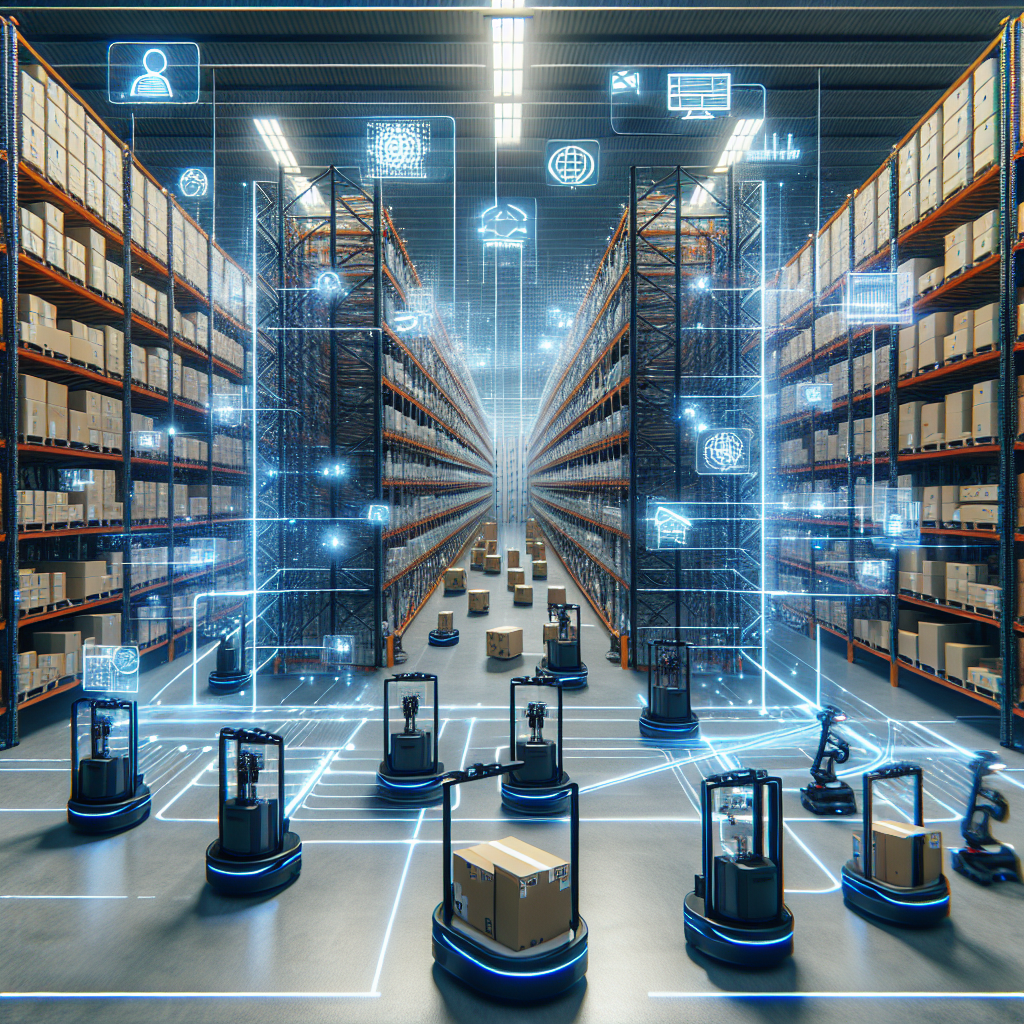
You cannot manage what you cannot see. One of the most important investments a business can make in supply chain risk management is in technology that provides real-time visibility into supply chain conditions from raw material sourcing through to last mile delivery.
Modern supply chain visibility platforms use data analytics, artificial intelligence, and IoT sensor technology to monitor supplier performance, track shipments, detect early warning signals of disruption, and model alternative scenarios. Companies with advanced visibility capabilities are able to detect supply chain bottlenecks earlier and respond more quickly than those relying on manual reporting and outdated systems.