








If you’ve been keeping an eye on global trade lately, you already know that shipping disruptions have become less of a rare exception and more of a regular headache for businesses of all sizes. From port congestion and extreme weather events to geopolitical tensions and carrier capacity shortages, the modern supply chain is under serious pressure. The good news? Companies that invest in smart inventory and logistics strategies aren’t just surviving these disruptions — they’re finding ways to thrive despite them.
Why Shipping Disruptions Are the New Normal
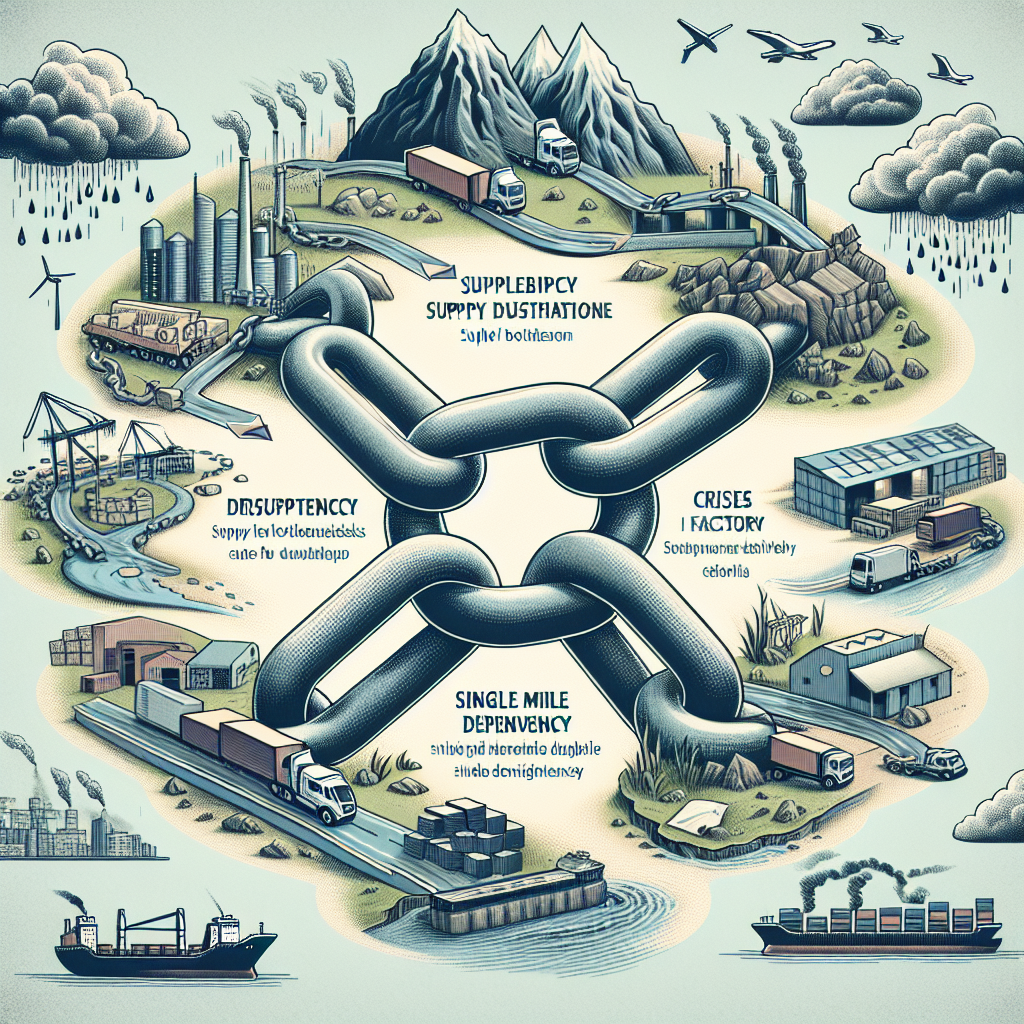
The era of predictable, low-cost global shipping feels like a distant memory for many supply chain managers. Logistics disruption events — whether a major canal blockage, a labor strike at a key port, or a sudden spike in fuel surcharges — can ripple across entire industries within days. What once took weeks to feel downstream is now felt almost instantly, thanks to tightly interconnected global networks.
Consider what happened during the Suez Canal blockage, when a single grounded container ship held up an estimated $9.6 billion worth of goods per day. Retailers and manufacturers scrambled to reroute shipments around the Cape of Good Hope, adding weeks to delivery timelines and millions in unexpected freight costs. That single event was a wake-up call for procurement teams worldwide to stop assuming everything would go according to plan.
The bottom line is that supply chains built purely on efficiency without resilience are brittle. Building flexibility into your logistics strategy isn’t just smart — it’s essential for long-term competitiveness.
● Shipping disruptions can cascade quickly across interconnected supply chains
● Real-world events like canal blockages have proven the fragility of efficiency-only models
● Resilience must be built intentionally, not assumed
The Hidden Risks of Just-in-Time Inventory
For decades, just-in-time inventory was considered the gold standard of lean manufacturing. The idea was simple: keep as little stock on hand as possible and rely on frequent, precise deliveries to keep production lines humming. It worked beautifully — right up until it didn’t.
The just-in-time inventory risks became painfully obvious during the global semiconductor shortage, when automotive manufacturers like Ford and GM were forced to halt production lines because critical chips weren’t arriving on schedule. Ford alone lost an estimated $1.5 billion in revenue in a single quarter due to supply shortfalls. The semiconductor crisis exposed how deeply dependent manufacturers had become on flawless, uninterrupted delivery — a luxury that modern supply chains simply cannot guarantee.
This doesn’t mean JIT is dead, but it does mean companies need a smarter, more balanced approach that accounts for supply variability and real-world disruption scenarios.
● JIT strategies leave companies extremely vulnerable to supplier or shipping failures
● The semiconductor shortage showed real financial consequences of over-reliance on JIT
● A hybrid approach balancing leanness with resilience is increasingly the preferred model
Building a Smart Safety Stock Strategy
One of the most practical defenses against supply chain turbulence is a well-calibrated safety stock strategy. Safety stock isn’t just about stockpiling products randomly — it’s about using data to determine the right buffer levels for each SKU based on demand variability, supplier lead times, and disruption risk profiles.
Modern inventory management software platforms like NetSuite Inventory Management or Fishbowl make it possible to set dynamic safety stock thresholds that automatically adjust based on real-time demand signals and supplier performance data. Instead of guessing how much buffer to keep, you’re letting data drive the decision — which means less excess inventory and better protection at the same time.
● Safety stock should be data-driven, not just a gut-feel buffer
● Modern inventory software can dynamically adjust safety stock thresholds
● The right tool balances protection with cost efficiency
Using Real-Time IoT Inventory Tracking to Stay Ahead
Real-time IoT inventory tracking has transformed how companies monitor their goods — not just inside the warehouse, but throughout the entire journey from supplier to end customer. IoT-enabled sensors and RFID tags provide live location data, temperature monitoring, and condition alerts that give supply chain teams unprecedented visibility into what’s happening with their inventory at any given moment.
A practical example: a major pharmaceutical distributor implemented IoT tracking across its cold chain network and was able to reduce product spoilage by 23% within the first year. Instead of discovering temperature excursions after the fact, their team received real-time alerts that allowed them to reroute shipments or intervene before products were compromised. That’s the kind of proactive supply chain management that simply wasn’t possible before connected devices became affordable at scale.
For warehouse operations specifically, IoT integration with your warehouse management system means you always know exactly where every pallet is, reducing mispicks, speeding up fulfillment, and cutting the time staff spend searching for inventory.
● IoT tracking provides live visibility across the full supply chain journey
● Real-time alerts enable proactive intervention before disruptions become costly
● Integration with warehouse management systems boosts fulfillment accuracy and speed
Lead Time Reduction: Shortening the Distance Between Order and Delivery
Lead time reduction is one of the most powerful levers a business can pull to improve supply chain resilience. Shorter lead times mean less exposure to market volatility, lower holding costs, and faster response to customer demand signals. It’s not just about moving faster — it’s about reducing the window during which things can go wrong.
Strategies for reducing lead times include nearshoring production closer to end markets, consolidating supplier bases to deepen relationships with fewer, more reliable partners, and automating purchase order generation based on pre-set reorder points. Companies like Zara famously built their entire competitive advantage around ultra-short lead times, designing, producing, and stocking new fashion items in as little as two weeks — a feat that made them nearly immune to the long-lead-time vulnerability that plagued traditional apparel retailers.
Even incremental improvements in lead time can make a significant difference. Shaving two or three days off a key supplier’s delivery window reduces the uncertainty your planning team has to account for, which in turn reduces the safety stock you need to carry.
● Shorter lead times reduce exposure to supply chain volatility
● Nearshoring and supplier consolidation are proven lead time reduction strategies
● Even small lead time improvements can meaningfully reduce required safety stock
Last-Mile Delivery Orchestration: The Final Frontier
Getting goods across the ocean is one challenge — getting them from a regional distribution center to the customer’s doorstep is another entirely. Last-mile delivery orchestration refers to the intelligent coordination of carriers, routes, and fulfillment nodes to make that final leg as fast, cost-effective, and reliable as possible.
With e-commerce expectations continuing to push toward same-day and next-day delivery, last-mile logistics has become a significant competitive differentiator. Platforms like Bringg and Onfleet allow businesses to dynamically assign deliveries across multiple carrier networks, optimize routes based on real-time traffic data, and provide customers with live tracking updates — all from a single orchestration layer.
The best last-mile strategies also build in contingency routing, so when a preferred carrier experiences a logistics disruption, orders are automatically rerouted to backup carriers without manual intervention — keeping delivery promises intact even when things go sideways.
● Last-mile orchestration platforms enable dynamic, multi-carrier delivery management
● Real-time route optimization reduces cost and improves delivery reliability
● Contingency routing ensures service continuity during carrier disruptions
Smarter Warehouse Management as a Disruption Buffer
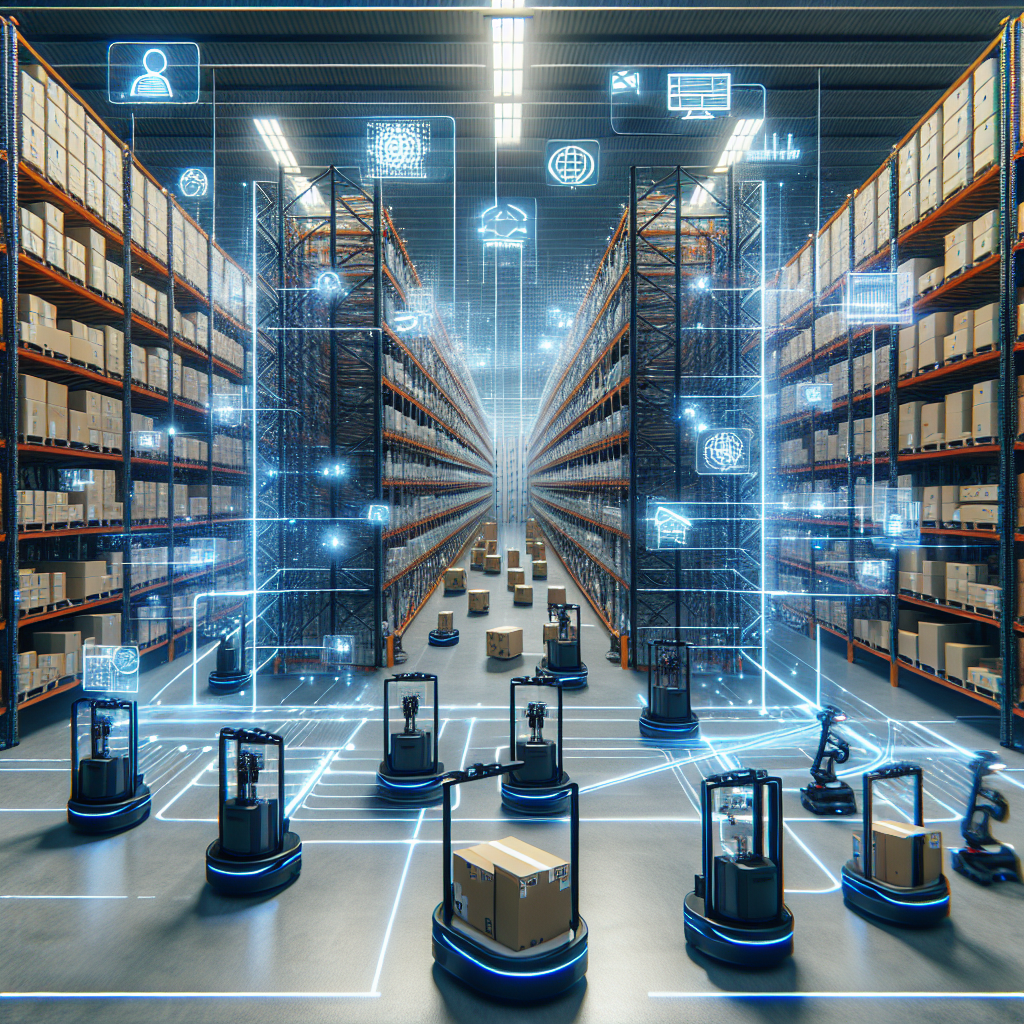
Your warehouse isn’t just a storage space — it’s a strategic asset that can absorb supply chain shocks when managed effectively. Modern warehouse management systems (WMS) do far more than track bin locations. They coordinate receiving, putaway, picking, packing, and shipping workflows with a level of precision that dramatically reduces errors and speeds up throughput.
When a shipping disruption hits and you suddenly need to expedite a batch of orders, a well-configured WMS allows you to reprioritize pick queues, reallocate labor, and identify substitute products from alternative locations — all in real time. Without that visibility, warehouse teams are often left scrambling with spreadsheets and manual counts during the moments when speed matters most.
Integrating your WMS with your inventory management software and real-time IoT data creates a unified operations hub that keeps every part of your fulfillment chain synchronized, even when external conditions are unpredictable.
● A modern WMS is a strategic disruption buffer, not just a tracking tool
● Real-time reprioritization capabilities are critical during shipping disruptions
● WMS integration with inventory and IoT systems creates a resil
You can explore more about choosing the right tools for your business in BestInSupplies.com.