

The New Era of Supply Chain Resilience
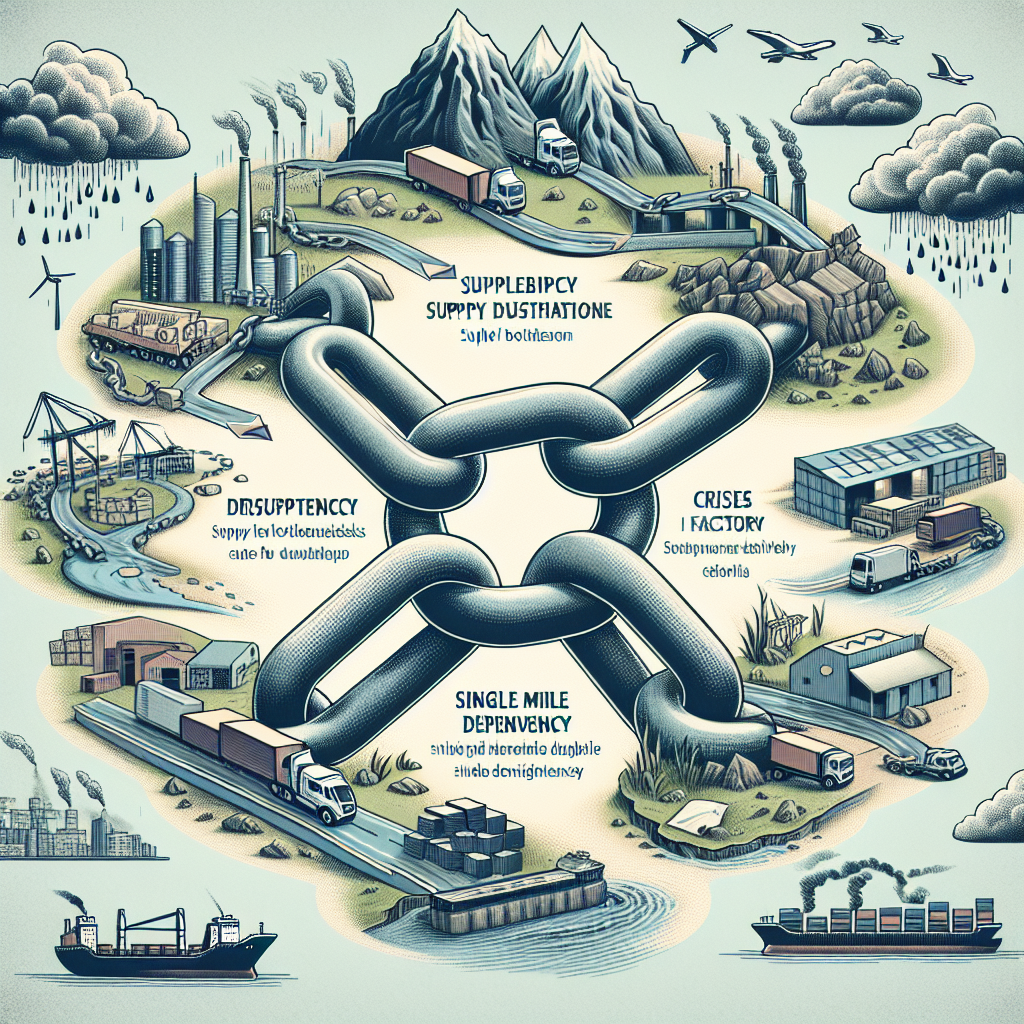
In today’s unpredictable business environment, supply chain disruptions have become the norm rather than the exception. From global pandemics to geopolitical tensions and natural disasters, companies are realizing that traditional supply chain management approaches simply aren’t enough anymore. That’s why forward-thinking organizations are turning to innovative supply chain resilience strategies that leverage cutting-edge technology to stay ahead of potential disruptions.
The good news? We’re living in an age where digital transformation isn’t just a buzzword—it’s a practical toolkit that can revolutionize how we manage, monitor, and optimize our supply chains. Let’s explore three game-changing approaches that are helping businesses build more resilient, responsive, and intelligent supply networks.
Supply Chain Digital Twins: Your Virtual Crystal Ball
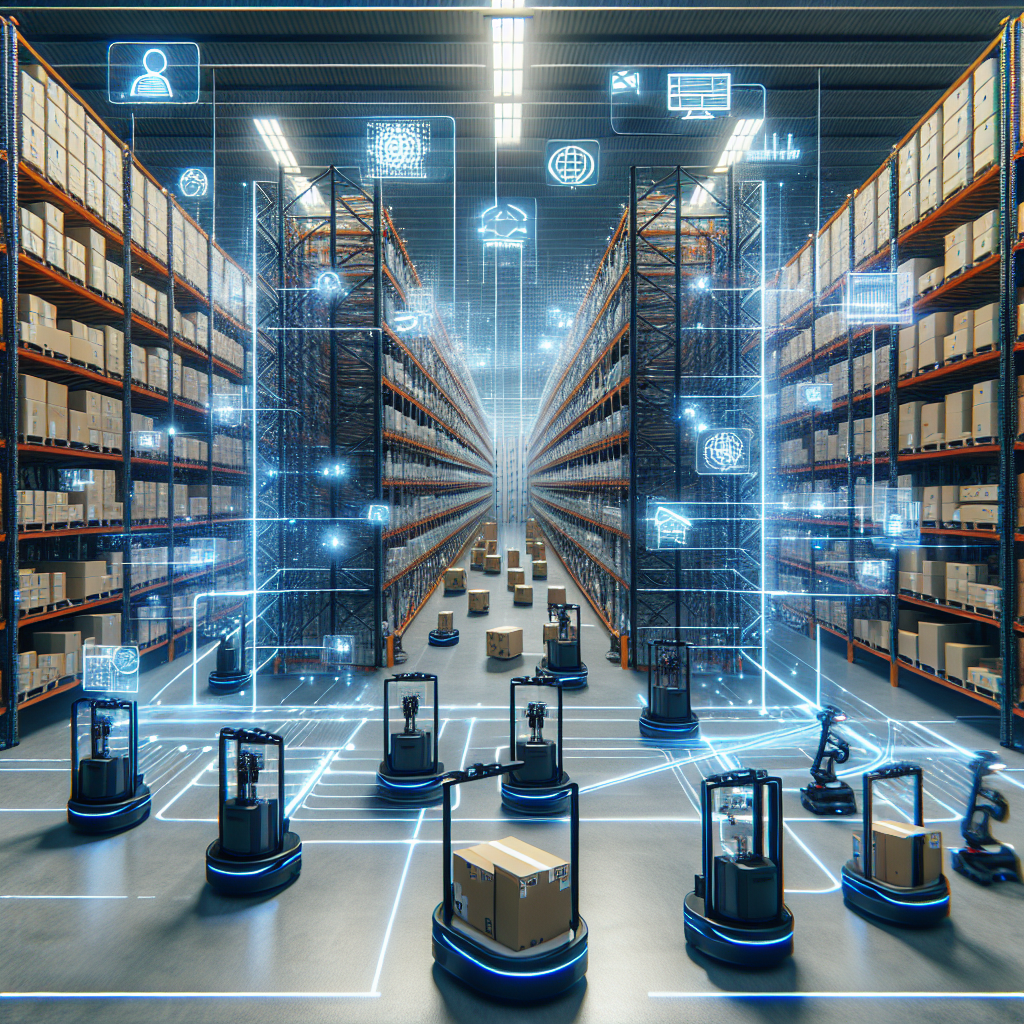
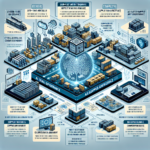
Imagine having a complete virtual replica of your entire supply chain that you could test, tweak, and optimize without any real-world consequences. That’s exactly what supply chain digital twins offer. These sophisticated digital models mirror your physical supply chain in real-time, allowing you to simulate different scenarios and predict outcomes before they happen.
Think of it as a flight simulator for your supply chain. Just as pilots practice emergency procedures in a safe environment, supply chain managers can now test how their networks would respond to various disruptions—whether it’s a port closure, supplier bankruptcy, or sudden demand spike—all without risking actual operations.
Real-Time Chokepoint Tracking
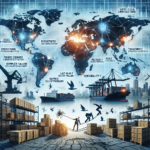
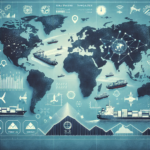
One of the most powerful features of digital twins is real-time chokepoint tracking. These virtual models continuously monitor your supply chain for potential bottlenecks and congestion points that could slow down operations. By identifying these chokepoints before they become critical problems, you can proactively reroute shipments, adjust inventory levels, or activate alternative suppliers.
The beauty of this approach is its predictive power. Rather than reacting to problems after they’ve already disrupted your operations, you can see them coming and take preventive action. It’s like having a weather radar for your supply chain that shows storms brewing on the horizon.
Multi-Tier Supplier Visibility
Here’s a challenge most companies face: they know their direct suppliers pretty well, but what about the suppliers to those suppliers? And their suppliers? Achieving multi-tier supplier visibility has traditionally been nearly impossible, but digital twins are changing that equation.
By mapping and modeling your extended supply network—including second, third, and even fourth-tier suppliers—digital twins give you unprecedented transparency into your entire ecosystem. This deep visibility means you can identify hidden risks lurking several layers down in your supply base and take action before those risks cascade up to affect your operations.
AI Governance in Supply Chain: Smart Decisions, Ethical Outcomes
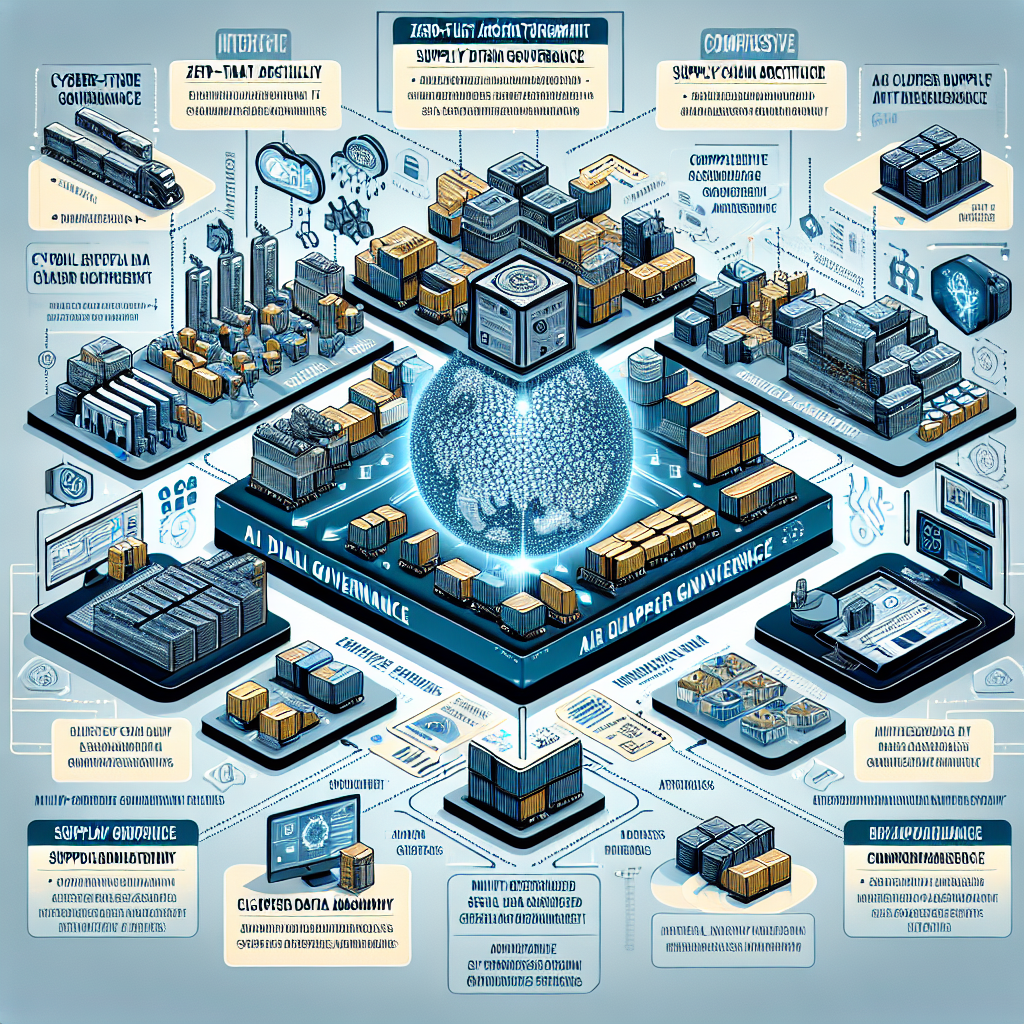
As artificial intelligence becomes increasingly central to supply chain operations, the importance of AI governance in supply chain management cannot be overstated. We’re entrusting critical decisions to algorithms, and that requires thoughtful oversight to ensure these systems operate fairly, transparently, and in alignment with business values.
AI governance isn’t about limiting innovation—it’s about enabling it responsibly. It means establishing clear frameworks for how AI systems should make decisions, what data they can use, how they should handle exceptions, and how humans should remain in the loop for critical choices.
Building Trust Through Transparency
One key aspect of effective AI governance is ensuring that AI-driven decisions can be explained and understood. When your AI system recommends switching suppliers or rerouting a shipment, stakeholders need to understand why. This transparency builds trust among team members, partners, and customers while also making it easier to identify and correct when algorithms might be going astray.
Balancing Automation with Human Judgment
Good AI governance recognizes that not all decisions should be fully automated. While AI excels at processing vast amounts of data and identifying patterns, human judgment remains invaluable for navigating complex ethical considerations, relationship management, and strategic thinking. The goal is creating a harmonious partnership between human expertise and machine intelligence.