





Understanding the Global Impact of Maritime Chokepoints
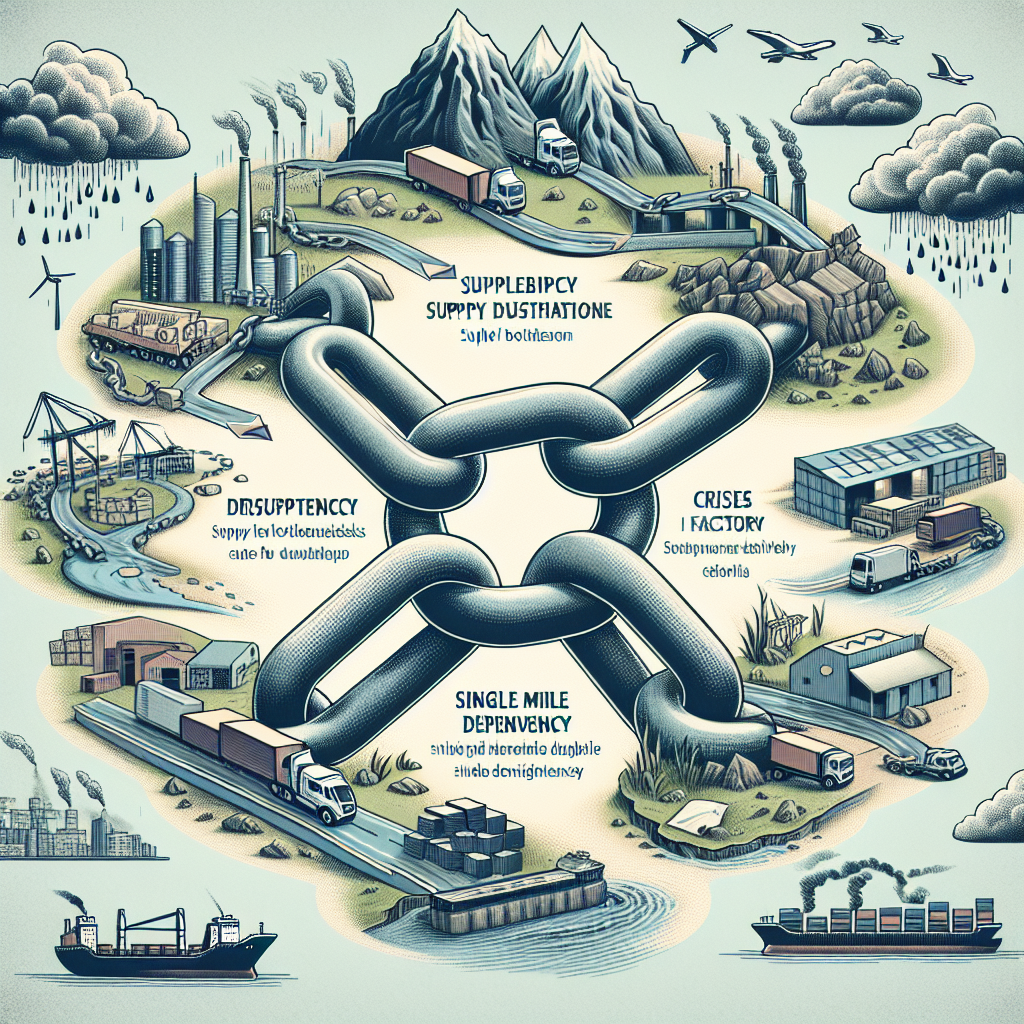
If you’ve noticed price fluctuations or delivery delays lately, you’re not alone! Two critical maritime passages—the Red Sea and the Strait of Hormuz—are currently facing unprecedented challenges that are sending ripples throughout global supply chains. These narrow waterways might seem like distant geographic details, but they play an absolutely vital role in getting products from manufacturers to your doorstep.
Let’s dive into what’s happening, why it matters to businesses and consumers alike, and what steps companies are taking to navigate these turbulent waters.
The Red Sea: A Critical Artery Under Pressure
The Red Sea shipping disruptions have become one of the most significant logistical challenges of recent times. This vital corridor connects the Mediterranean Sea to the Indian Ocean through the Suez Canal, handling roughly 12% of global trade. When disruptions occur here, the effects cascade across continents.
Recent security concerns have forced many shipping companies to reroute vessels around the Cape of Good Hope in Africa, adding approximately 3,500 nautical miles and up to two weeks to journey times. This isn’t just an inconvenience—it translates to higher fuel costs, increased insurance premiums, and delayed deliveries that affect everything from automotive parts to consumer electronics.
Strait of Hormuz: The World’s Most Strategic Oil Passage
Meanwhile, Strait of Hormuz maritime security remains a pressing concern for global energy markets. This narrow passage between the Persian Gulf and the Gulf of Oman sees about one-fifth of the world’s petroleum and liquefied natural gas pass through its waters daily. It’s no exaggeration to say that what happens here affects gas prices worldwide.
The strategic importance of this 21-mile-wide strait cannot be overstated. Any disruption here doesn’t just impact energy companies—it affects transportation costs, manufacturing expenses, and ultimately, the prices consumers pay for countless goods and services.
The Ripple Effect: Tariffs and Trade Complications
These chokepoint disruptions have added another layer of complexity to an already challenging trade environment. Tariff impact analysis has become increasingly sophisticated as companies work to understand the compounding effects of route changes, delays, and regulatory considerations.
When ships take longer routes, products may sit in warehouses longer, tying up capital and increasing storage costs. Some companies are also facing difficult decisions about whether to absorb these additional costs or pass them along to customers. It’s a delicate balancing act that requires careful strategic planning.
Smart Strategies for Geopolitical Risk Mitigation in Logistics
The good news? Forward-thinking companies are developing innovative approaches to geopolitical risk mitigation in logistics. Here are some strategies that are making a real difference:
Diversification of Supply Routes
Smart businesses aren’t putting all their cargo in one shipping lane. By developing alternative routing options and maintaining relationships with multiple carriers, companies can pivot quickly when disruptions occur. This flexibility has proven invaluable during recent challenges.
Enhanced Inventory Management
Many organizations are reassessing their just-in-time inventory models, building in strategic buffers for critical components. While this requires additional investment, it provides crucial resilience against unexpected delays.
Regional Sourcing Initiatives
Some companies are exploring nearshoring or reshoring opportunities to reduce dependence on long-distance maritime transport. This trend, accelerated by recent disruptions, is reshaping global manufacturing networks.
The Power of Real-Time Chokepoint Tracking
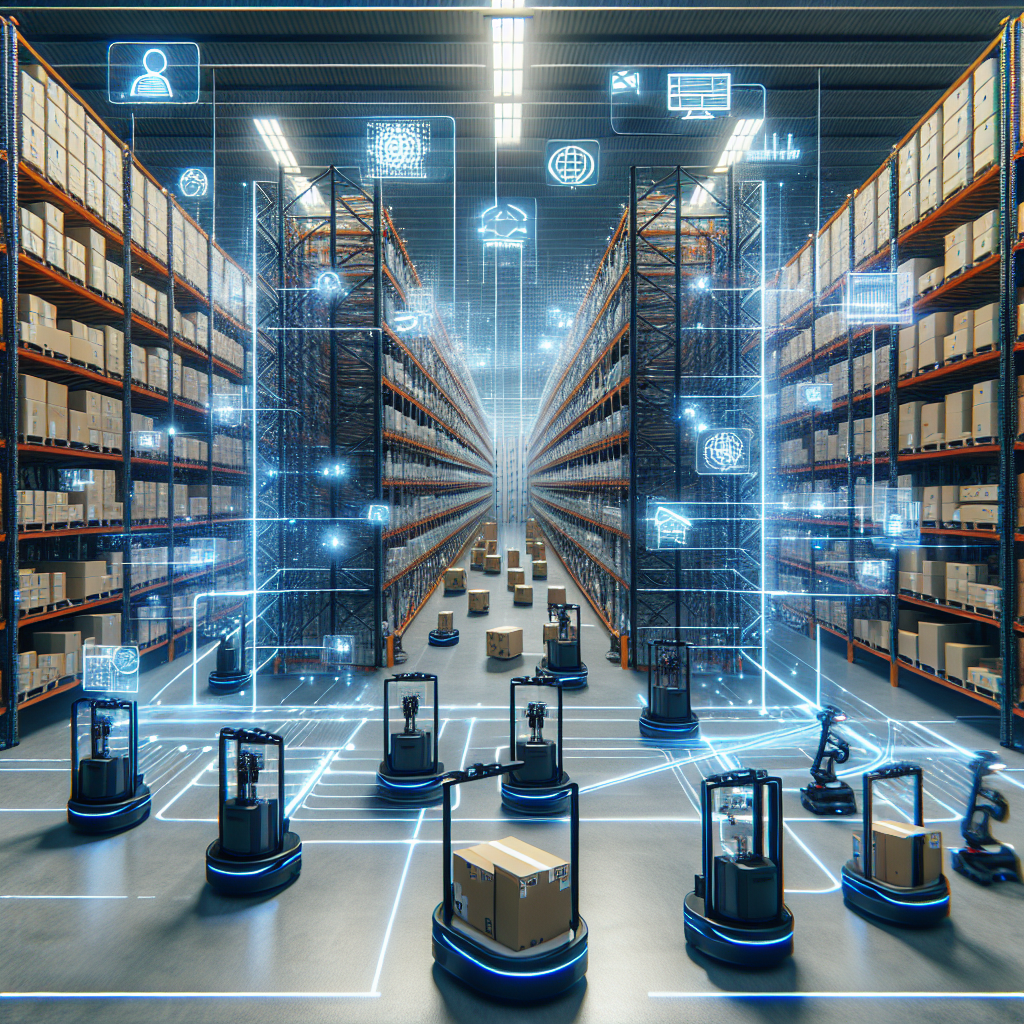
Technology is emerging as a game-changer in managing these challenges. Real-time chokepoint tracking systems now provide unprecedented visibility into maritime traffic patterns, security incidents, and potential disruptions before they impact shipments.
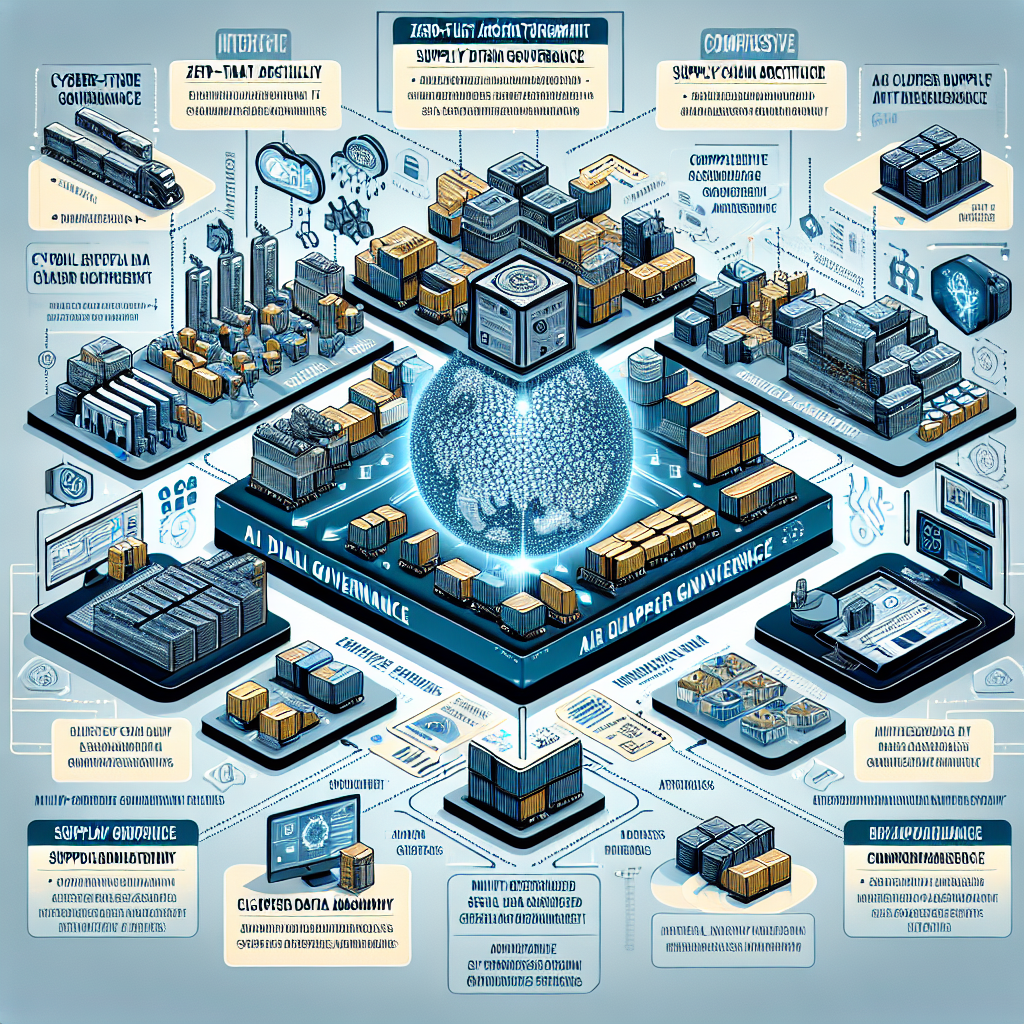
These advanced platforms combine satellite data, vessel tracking information, and intelligence feeds to give logistics managers early warning of developing situations. Some systems even use artificial intelligence to predict potential delays and suggest alternative routing options automatically.
For businesses managing complex supply chains, this real-time visibility isn’t just nice to have—it’s becoming essential.