





The Dawn of Zero-Touch Logistics
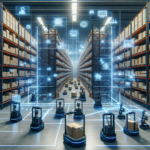
Imagine a warehouse where goods flow seamlessly from receiving to shipping without a single human hand touching them. This isn’t science fiction—it’s the reality of zero-touch logistics orchestration, a revolutionary approach that’s transforming how modern supply chains operate. By combining cutting-edge technology with smart automation, businesses are achieving unprecedented levels of efficiency, accuracy, and cost savings.
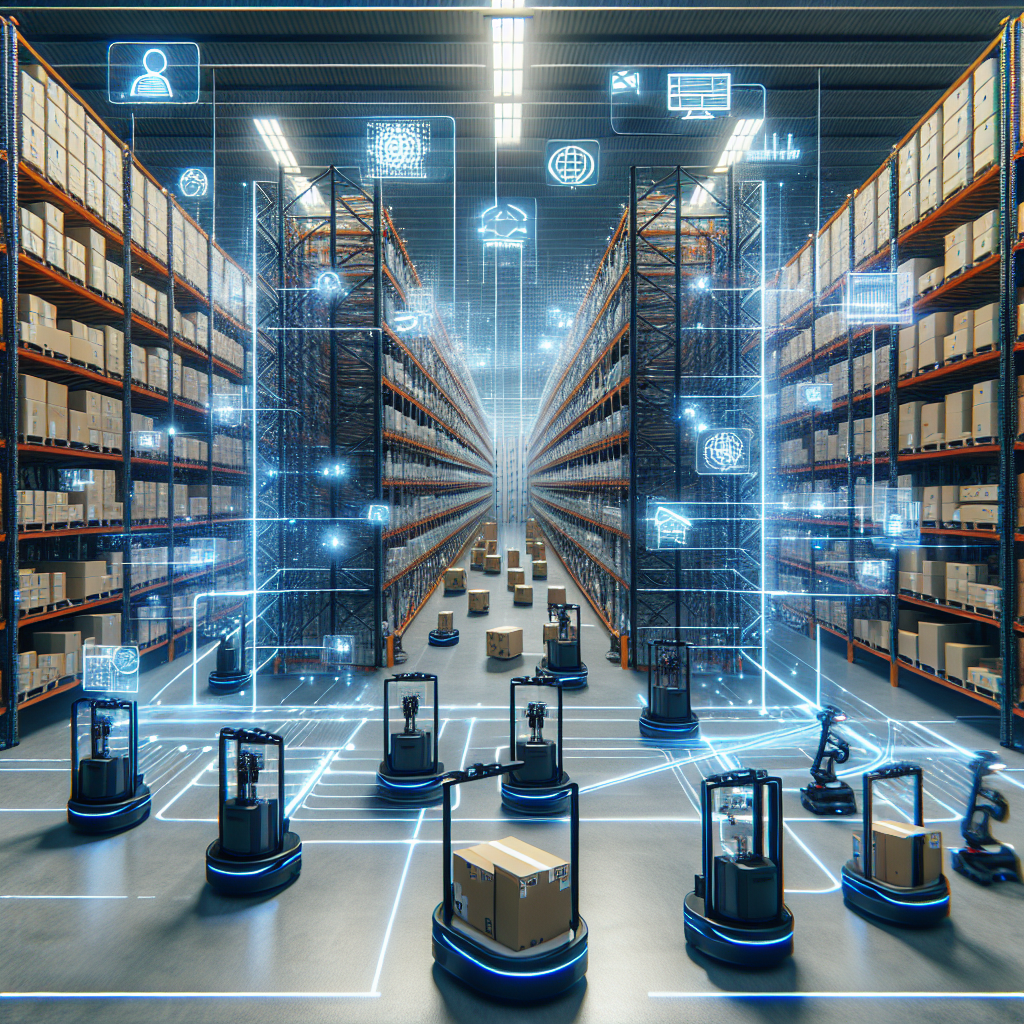
Today’s supply chain challenges demand innovative solutions. Labor shortages, rising operational costs, and increasing customer expectations for faster delivery are pushing companies to rethink traditional logistics. That’s where the powerful combination of autonomous mobile robots AMR and warehouse edge computing comes into play, creating a symphony of coordinated automation that operates with minimal human intervention.
Understanding Zero-Touch Logistics Orchestration
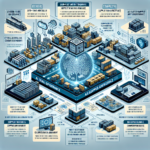
Zero-touch logistics orchestration represents a paradigm shift in how we manage material flow. Instead of relying on manual processes and human decision-making at every step, this approach uses intelligent systems to coordinate all logistics activities automatically. From the moment inventory arrives at your facility to when it ships out to customers, sophisticated algorithms and smart machines handle the entire journey.
The orchestration layer acts as the brain of the operation, continuously analyzing data, optimizing routes, and making real-time decisions. It coordinates multiple autonomous mobile robots AMR, manages inventory levels, prioritizes tasks based on urgency, and adapts to changing conditions—all without requiring constant human oversight. This level of automation frees your team to focus on strategic activities rather than routine operational tasks.
The Power of Autonomous Mobile Robots
At the heart of zero-touch logistics are autonomous mobile robots AMR, the tireless workhorses that physically move goods throughout your facility. Unlike their predecessors—automated guided vehicles that required fixed paths and extensive infrastructure—AMRs navigate dynamically using sensors, cameras, and sophisticated mapping technology. They’re smart enough to avoid obstacles, choose optimal routes, and even work collaboratively with human workers.
These intelligent machines come in various forms, from small robots that transport individual items to heavy-duty models capable of moving pallets. They work around the clock without breaks, dramatically increasing throughput while reducing the physical strain on human workers. Best of all, they’re flexible and scalable—you can easily add more robots as your operation grows or redeploy them to different tasks as needs change.
Safety and Collaboration
Modern AMRs are designed with safety as a top priority. They use multiple sensor systems to detect people and objects in their path, slowing down or stopping when necessary. This makes them perfect collaborative partners in mixed environments where humans and robots work side by side. Your team can focus on tasks requiring human judgment and dexterity while robots handle the heavy lifting and repetitive transport work.
Warehouse Edge Computing: The Intelligence Behind the Scenes
While AMRs provide the muscle, warehouse edge computing delivers the brains that make zero-touch logistics truly intelligent. Edge computing processes data right where it’s generated—on the warehouse floor—rather than sending everything to distant cloud servers. This approach dramatically reduces latency, enabling split-second decision-making that keeps your operation running smoothly.
Think of edge computing as having a smart coordinator stationed right in your warehouse. When an AMR encounters an unexpected obstacle or a priority order comes through, the edge computing system can instantly recalculate routes, reassign tasks, and coordinate multiple robots without waiting for instructions from a remote server. This real-time responsiveness is crucial for maintaining the flow that zero-touch logistics promises.
Benefits of Local Processing
Processing data at the edge offers several compelling advantages. First, it keeps working even if internet connectivity drops, ensuring your operations never grind to a halt. Second, it reduces bandwidth costs by only sending essential data to the cloud. Third, it enhances security by keeping sensitive operational data within your facility. Finally, it enables advanced capabilities like real-time video analytics and predictive maintenance that require immediate processing power.