






The New Reality of Supply Chain Security
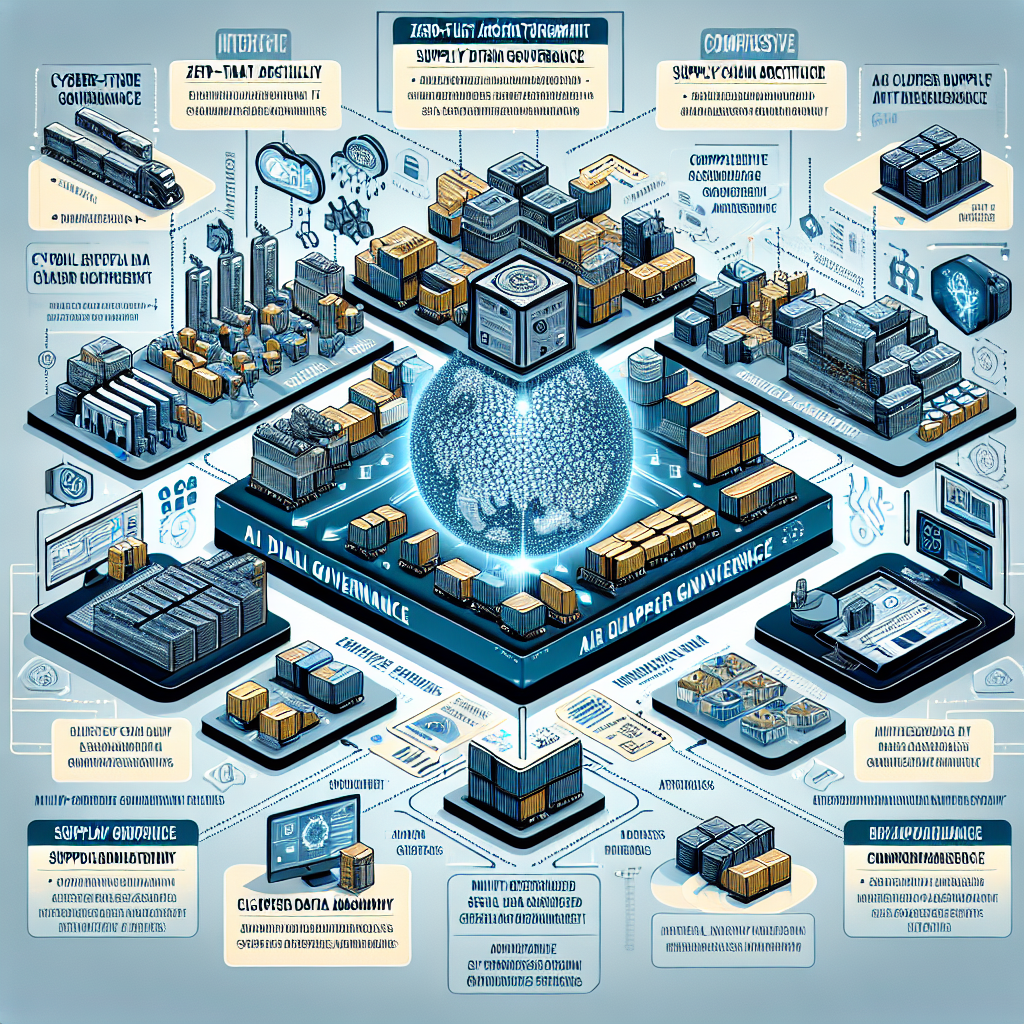
In today’s hyper-connected business environment, supply chains have evolved into complex digital ecosystems spanning continents, companies, and technologies. With this evolution comes unprecedented vulnerability. Recent cyberattacks on logistics networks have proven that traditional perimeter-based security is no longer sufficient. That’s why forward-thinking organizations are embracing zero-trust supply chain architecture combined with robust governance frameworks to build truly cyber-resilient operations.
The good news? Building a secure, compliant, and resilient supply chain doesn’t mean sacrificing efficiency or innovation. In fact, when done right, strong supply chain IT governance and enterprise supply chain architecture create the foundation for competitive advantage. Let’s explore how you can transform your logistics systems into fortresses of cyber-resilience while maintaining the agility your business demands.
Understanding Zero-Trust Supply Chain Architecture
The zero-trust model operates on a simple but powerful principle: never trust, always verify. In the context of digital supply chain architecture, this means treating every connection, user, and data transaction as potentially hostile until proven otherwise. Unlike traditional models that assume internal networks are safe, zero-trust supply chain architecture recognizes that threats can emerge from anywhere—including trusted partners.
Implementing this approach requires a fundamental shift in how we design multi-enterprise supply chain networks. Supply chain identity and access management becomes critical, ensuring that every entity—whether a person, device, or system—must authenticate and receive authorization for each transaction. This granular control might sound cumbersome, but modern cloud supply chain architecture makes it seamless and scalable.
Key Pillars of Zero-Trust Implementation
Successful zero-trust implementation rests on several foundational elements. First, you need comprehensive visibility across your entire network. This includes real-time monitoring of all access points, data flows, and system interactions. Second, micro-segmentation allows you to create secure zones within your supply chain platform architecture, limiting the blast radius of any potential breach.
Third, continuous authentication ensures that credentials remain valid throughout each session, not just at login. Finally, the principle of least privilege grants users and systems only the minimum access necessary to complete their tasks. Together, these pillars create a resilient supply chain architecture design that adapts to emerging threats while supporting business operations.
Building Cyber-Resilience in Logistics
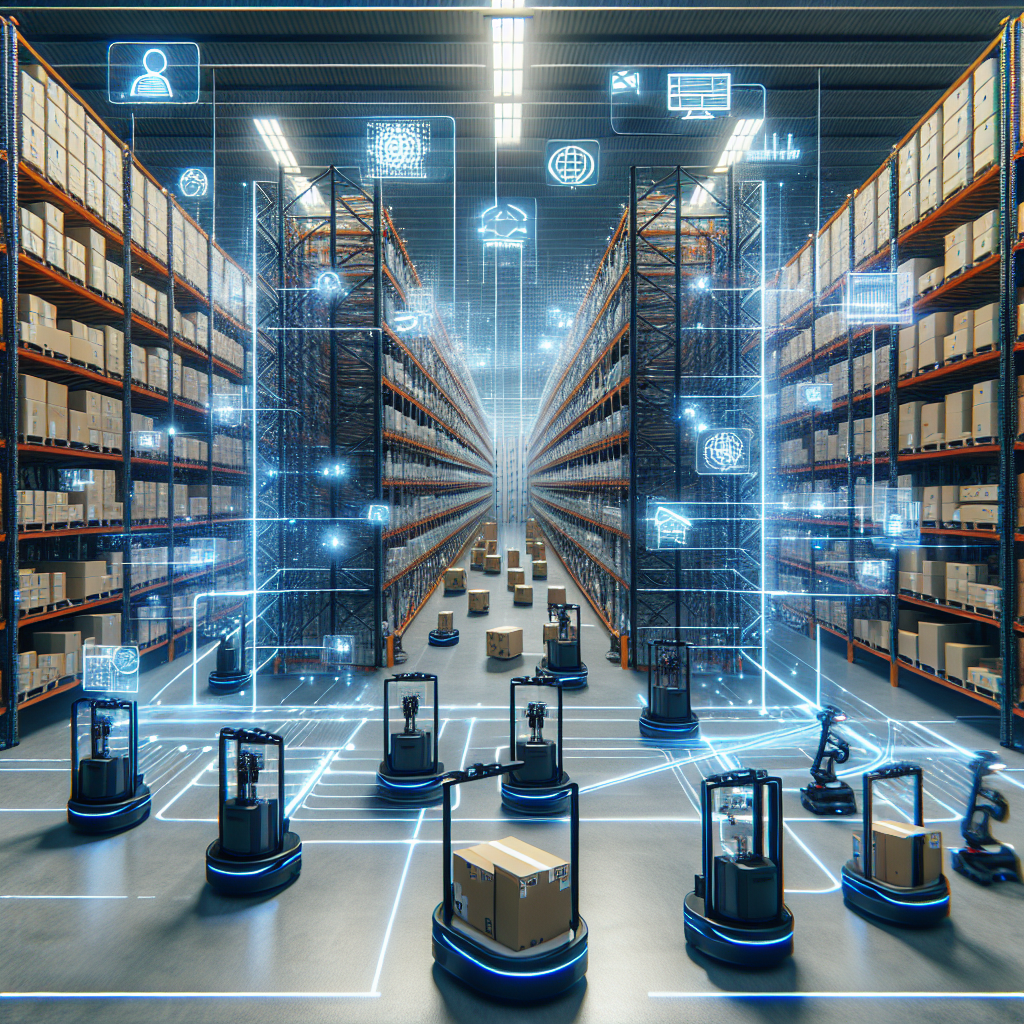
Cyber-resilience in logistics goes beyond preventing attacks—it’s about ensuring your supply chain can withstand, recover from, and adapt to cyber incidents. This requires a holistic approach that combines technology, processes, and people. Your systems need to be designed with failure in mind, incorporating redundancy and failover mechanisms that keep goods moving even during security events.
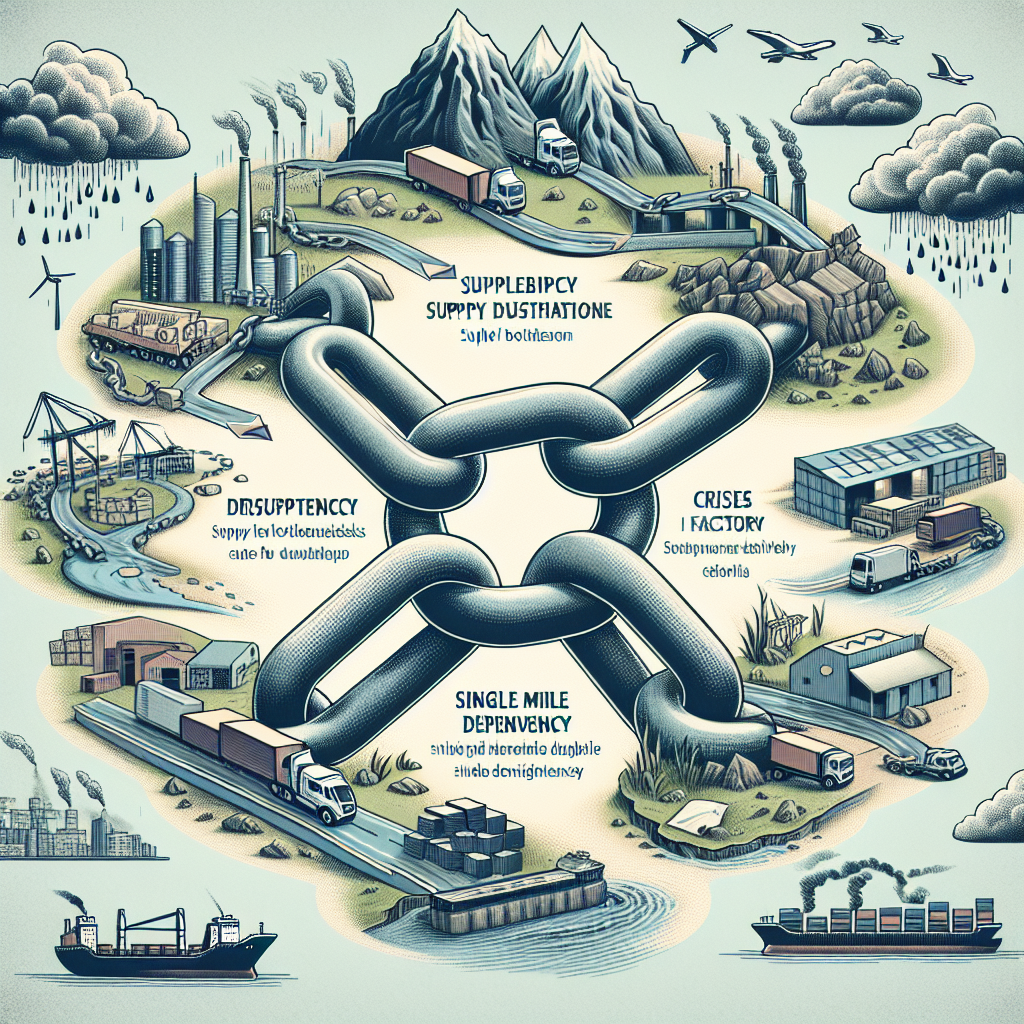
A critical component is establishing risk governance frameworks in logistics that identify vulnerabilities across your entire supply chain. This means looking beyond your own four walls to assess the security posture of suppliers, logistics partners, and technology providers. Remember, your supply chain is only as secure as its weakest link, making supplier data governance essential to your overall security strategy.
Resilient Architecture Design Principles
When designing for resilience, modularity is your friend. By creating loosely coupled systems connected through API-driven supply chain integration, you can isolate problems and maintain operations even when individual components fail. This approach also supports interoperability in supply chain systems, allowing different technologies and platforms to work together without creating security gaps.
Cloud supply chain architecture offers inherent advantages for resilience, including geographic distribution, automatic scaling, and built-in disaster recovery capabilities. However, cloud adoption must be paired with robust supply chain data governance to ensure sensitive information remains protected across multiple environments and jurisdictions.
Establishing Strong Supply Chain Data Governance
Data is the lifeblood of modern supply chains, flowing between systems, organizations, and continents. Without proper governance, this data becomes a liability rather than an asset. Supply chain data standardization is the first step, creating common definitions, formats, and protocols that enable secure data sharing in supply chain networks while reducing errors and vulnerabilities.
Master data management supply chain initiatives ensure that critical information—about products, suppliers, customers, and locations—remains accurate, consistent, and secure across all systems. This single source of truth becomes invaluable for both operational efficiency and security monitoring, as anomalies become easier to detect when data quality is high.
Data Lineage and Auditability
Understanding where data comes from, how it’s transformed, and where it goes is crucial for both security and compliance. Data lineage in supply chain systems provides this visibility, creating an audit trail that tracks information from source to destination. This capability is essential for investigating security incidents, demonstrating regulatory compliance in global supply chains, and building trust with partners and customers.
Supply chain auditability extends beyond data to encompass all system activities, changes, and decisions. Comprehensive logging and monitoring enable you to reconstruct events, identify root causes, and prove compliance with your supply chain compliance framework. These capabilities aren’t just defensive—they also enable continuous improvement by revealing inefficiencies and optimization opportunities.
Navigating the Compliance Landscape
Global supply chains must navigate a complex web of regulations spanning multiple jurisdictions and industries. From data protection laws like GDPR to industry-specific requirements in pharmaceuticals or aerospace, regulatory compliance in global supply chains demands systematic approaches embedded in your architecture from the ground up.
A comprehensive supply chain compliance framework maps regulatory requirements to specific controls, processes, and technologies. This framework should be dynamic, updating as regulations evolve and your supply chain expands into new markets. The framework also needs to extend to your partners, ensuring that supplier data governance meets your compliance standards and contractual obligations.
Technology as a Compliance Enabler
Modern technologies can transform compliance from a burden into a competitive advantage. Automated compliance monitoring built into your enterprise supply chain architecture flags violations in real-time, enabling immediate corrective action. Similarly, built-in compliance templates and workflows guide users toward compliant behaviors, reducing reliance on manual checks and human memory.
Blockchain and distributed ledger technologies offer promising capabilities for compliance documentation and proof of authenticity, though they should be evaluated carefully against specific use cases. More immediately practical are AI-powered systems that analyze patterns, predict compliance risks, and recommend preventive actions, bringing us to the exciting frontier of AI governance in supply chain.
AI Governance in Supply Chain Operations
Artificial intelligence is revolutionizing supply chain management, from demand forecasting to route optimization. However, AI systems also introduce new governance challenges. AI governance in supply chain contexts must address questions of transparency, bias, accountability, and security. When an AI system makes a decision that affects inventory levels or supplier selection, stakeholders need to understand how and why.
Effective AI governance frameworks establish clear ownership, define acceptable use cases, and implement monitoring systems that detect when AI models drift or produce unexpected results. These frameworks must also address data governance, as AI systems are only as good as the data they’re trained on. Poor data quality or biased datasets can lead to flawed decisions that cascade through your entire supply chain.
Balancing Innovation and Control
The goal of AI governance isn’t to stifle innovation but to enable it safely and responsibly. By establishing guardrails and approval processes, you create an environment where teams can experiment with AI technologies while managing risks. This includes sandboxed environments for testing, staged rollouts for production deployment, and kill switches that allow rapid intervention if problems emerge.
Integration with your broader supply chain IT governance ensures that AI initiatives align with enterprise standards, security requirements, and strategic objectives. This integrated approach prevents silos while maintaining the agility needed to capitalize on rapidly evolving AI capabilities.
Practical Steps Toward Cyber-Resilient Supply Chains
Transforming your supply chain architecture doesn’t happen overnight, but you can start building momentum with focused initiatives. Begin by conducting a comprehensive assessment of your current state, identifying gaps in security, governance, and resilience. This assessment should examine technology infrastructure, processes, partner ecosystems, and organizational capabilities.
Next, develop a roadmap that prioritizes initiatives based on risk, business impact, and feasibility. Quick wins might include implementing multi-factor authentication, establishing data classification schemes, or deploying API gateways for better control over system integrations. These foundational elements create platforms for more ambitious transformations.