





The Dawn of Intelligent Supply Chains
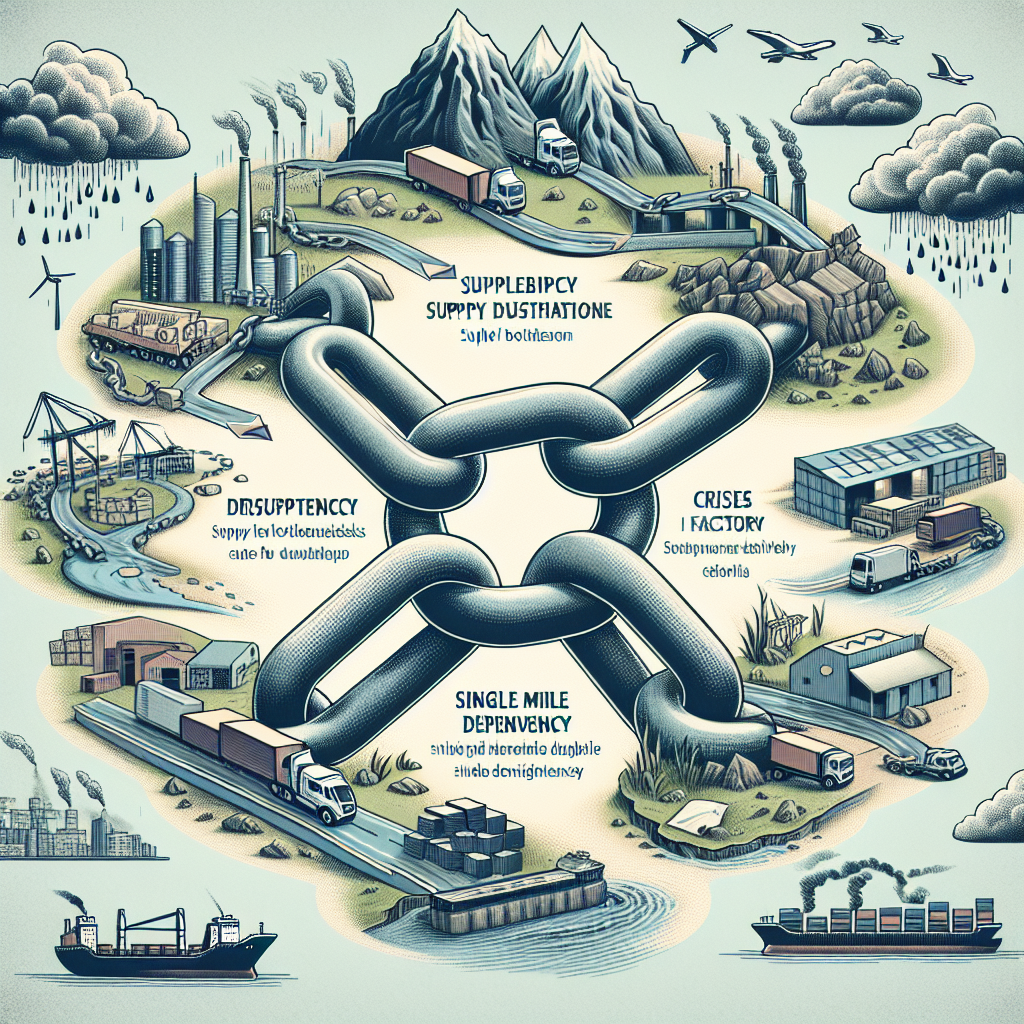
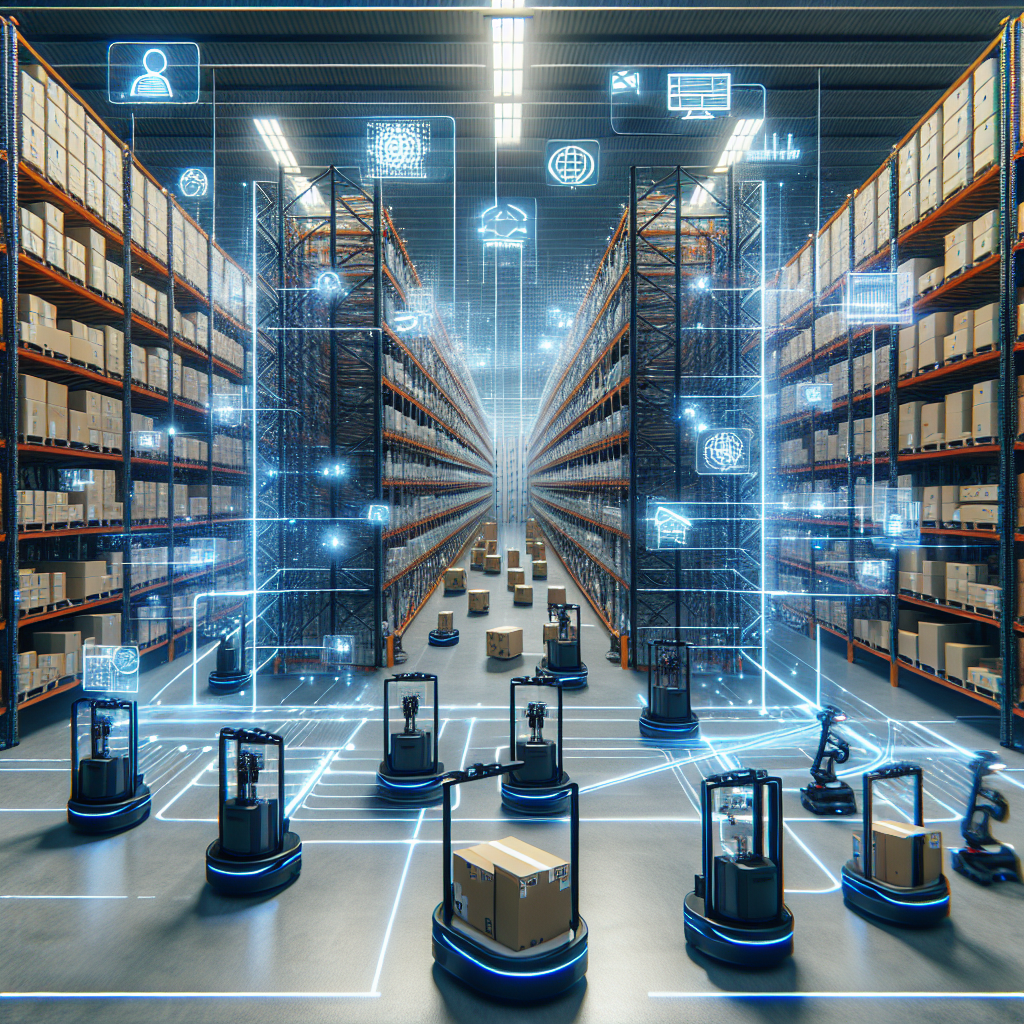
Supply chain management has always been a complex puzzle of moving parts, unpredictable variables, and tight deadlines. But today, we’re witnessing something remarkable: the rise of agentic AI in supply chain operations. Unlike traditional automation that follows rigid rules, agentic AI systems can think, learn, and make decisions independently. This transformation is reshaping how businesses handle everything from procurement to last-mile delivery, making supply chains smarter, faster, and more resilient than ever before.
The integration of AI in supply chain management isn’t just about efficiency—it’s about creating intelligent systems that can anticipate problems before they happen, adapt to changing conditions in real-time, and continuously optimize themselves. Let’s explore how these autonomous technologies are revolutionizing logistics and procurement across industries.
Autonomous Procurement Agents: Your 24/7 Buying Team
Imagine having a procurement specialist who never sleeps, constantly monitors thousands of suppliers, and can negotiate deals at lightning speed. That’s exactly what autonomous procurement agents bring to the table. These AI-powered systems go far beyond simple purchase order automation—they actively manage supplier relationships, identify cost-saving opportunities, and make purchasing decisions based on complex business rules and real-time market conditions.
What makes these agents truly “agentic” is their ability to operate independently within defined parameters. They can evaluate supplier performance, assess risk factors, compare pricing across multiple vendors, and even predict potential supply disruptions before they impact your operations. This means your procurement team can focus on strategic initiatives while the AI handles routine purchasing decisions with remarkable accuracy and speed.
Smart Negotiations and Supplier Management
The latest autonomous procurement agents are even capable of conducting initial supplier negotiations, analyzing contract terms, and flagging potential issues for human review. They learn from past purchasing patterns and outcomes, continuously improving their decision-making capabilities. This cognitive approach to procurement means businesses can maintain optimal inventory levels while minimizing costs and reducing the risk of stockouts or overstock situations.
AI-Powered Demand Forecasting: Seeing Into the Future
One of the most powerful applications of agentic AI in supply chain management is in demand forecasting. Traditional forecasting methods rely on historical data and seasonal patterns, but AI-powered demand forecasting takes this to an entirely new level. These systems analyze hundreds of variables simultaneously—from weather patterns and social media trends to economic indicators and competitor activities—to predict future demand with unprecedented accuracy.
What’s particularly exciting is how these forecasting systems learn and adapt over time. They don’t just crunch numbers; they understand context, recognize patterns that humans might miss, and adjust their predictions based on real-world outcomes. This means your inventory planning becomes increasingly precise, reducing waste while ensuring you always have the right products available when customers need them.
Generative AI for Logistics: Creating Solutions on the Fly
Generative AI for logistics represents a fascinating frontier in supply chain innovation. Rather than simply analyzing existing data, these systems can generate entirely new solutions to complex logistical challenges. Need to optimize delivery routes across a new territory? Generative AI can create multiple scenario plans, each optimized for different priorities like cost, speed, or environmental impact.
These systems are particularly valuable when dealing with disruptions. If a major shipment is delayed or a warehouse becomes unavailable, generative AI can instantly create alternative plans, reroute shipments, and reallocate resources across your network. It’s like having a genius logistics planner who can consider thousands of possibilities in seconds and present you with the best options tailored to your specific business needs.
Cognitive Supply Chain Automation: Thinking Beyond Rules
Cognitive supply chain automation represents the evolution from simple rule-based systems to intelligent platforms that can understand context, learn from experience, and make nuanced decisions. These systems don’t just follow instructions—they comprehend the bigger picture of your supply chain operations and can adapt their behavior based on changing circumstances.
For instance, a cognitive automation system might notice that a particular supplier consistently delivers late during certain months and proactively adjust ordering schedules or suggest alternative vendors. It can detect anomalies in shipping patterns, identify inefficiencies in warehouse operations, and recommend process improvements based on data analysis and machine learning insights.
Supply Chain Digital Twins: Your Virtual Testing Ground
Supply chain digital twins are virtual replicas of your entire supply chain network—from suppliers and warehouses to transportation routes and retail locations. These sophisticated simulations allow you to test changes, predict outcomes, and optimize operations without any real-world risk. Want to know what happens if you add a new distribution center or change your packaging strategy? Your digital twin can show you the impact before you invest a single dollar.
The real magic happens when you combine digital twins with agentic AI. The AI can run countless simulations, testing different scenarios and learning which strategies work best under various conditions. This creates a continuous improvement loop where your supply chain becomes smarter and more efficient over time, adapting to seasonal changes, market shifts, and unexpected disruptions with remarkable agility.
Continuous S&OP Planning: Always in Sync
Traditional Sales and Operations Planning (S&OP) happens monthly or quarterly, but business conditions change daily. Continuous S&OP planning powered by AI ensures that your sales forecasts, production schedules, and inventory plans are always aligned with current reality. Instead of waiting for the next planning cycle, these systems update projections in real-time as new data becomes available.
This continuous approach means your organization can respond to market changes much more quickly. If a product suddenly goes viral on social media, your AI-powered S&OP system can immediately adjust production schedules, reallocate inventory, and coordinate with suppliers to meet the unexpected demand. It’s the difference between reacting to changes after the fact and staying ahead of the curve.
Predictive Maintenance for Fleet IoT: Preventing Problems Before They Happen
For companies managing vehicle fleets, predictive maintenance for fleet IoT is a game-changer. By equipping vehicles with IoT sensors and applying AI analytics, businesses can predict when trucks, ships, or aircraft will need maintenance before breakdowns occur. This isn’t just about monitoring engine performance—these systems analyze vibration patterns, temperature fluctuations, fuel efficiency, and dozens of other factors to identify potential failures days or weeks in advance.
The impact on operations is profound. Instead of costly unexpected breakdowns that disrupt delivery schedules, fleet managers can schedule maintenance during off-peak hours, optimize parts inventory, and extend vehicle lifespans. The AI learns from every maintenance event, continuously improving its predictions and helping teams transition from reactive repairs to proactive care.
Bringing It All Together: The Integrated Intelligent Supply Chain
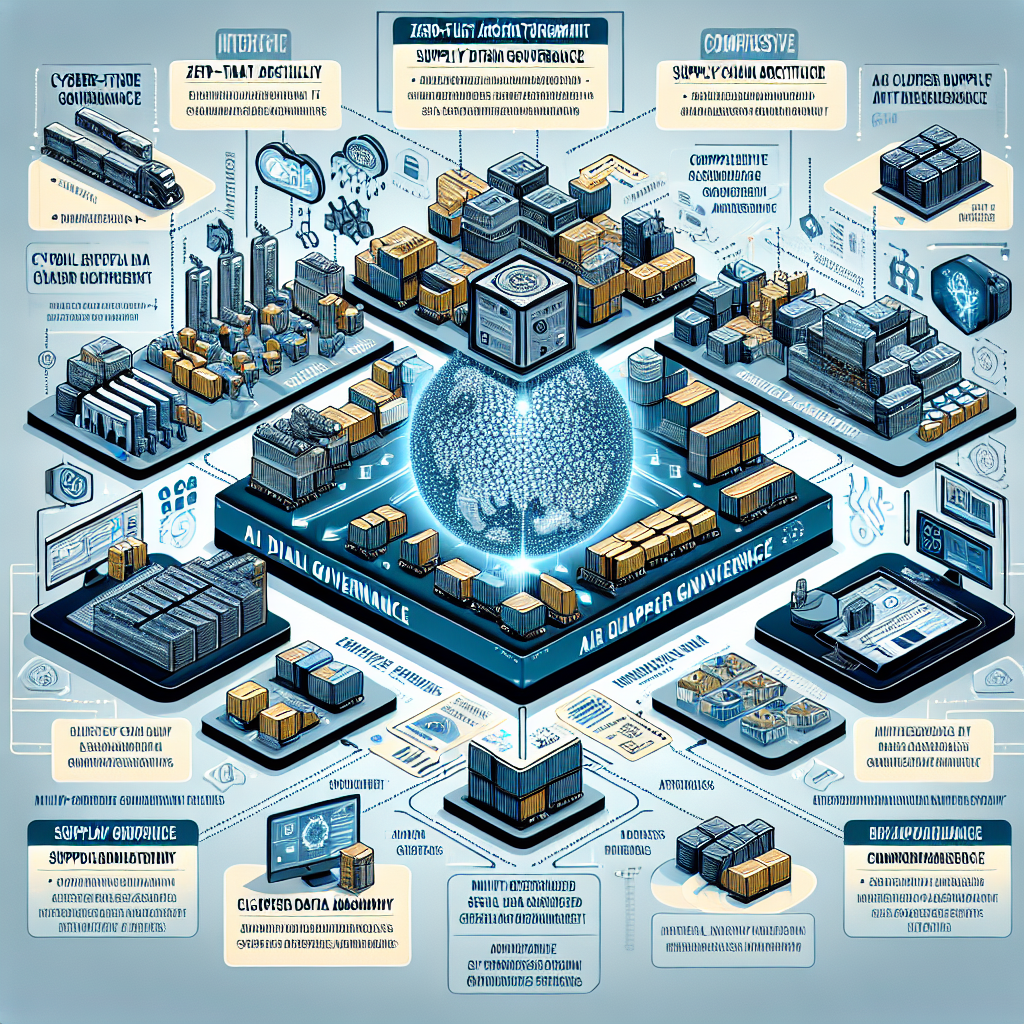
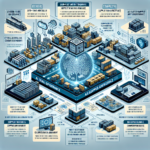
The real transformation happens when all these technologies work together as an integrated ecosystem. Your autonomous procurement agents communicate with demand forecasting systems to optimize purchasing timing. Your digital twin simulates scenarios suggested by cognitive automation. Predictive maintenance insights feed into continuous S&OP planning to account for vehicle availability. It’s a symphony of intelligent systems, each playing their part to create a supply chain that’s resilient, efficient, and remarkably responsive.
What’s most exciting is that this isn’t some distant future scenario—these technologies are available and being implemented today by forward-thinking organizations. Whether you’re managing a global logistics network or a regional distribution operation, agentic AI in supply chain management offers practical solutions that deliver measurable results.
Getting Started on Your AI Journey
If this all sounds overwhelming, remember that you don’t need to implement everything at once. Start with the area that presents your biggest challenge or opportunity. Maybe that’s demand forecasting to reduce inventory costs, or perhaps predictive maintenance to improve fleet reliability. The key is to begin somewhere, learn from the experience, and gradually expand your AI capabilities as you build confidence and expertise.
The supply chain landscape is evolving rapidly, and AI is no longer a competitive advantage—it’s becoming a competitive necessity. The good news is that these technologies are becoming more accessible, with cloud-based platforms and AI-as-a-service options that don’t require massive upfront investments or specialized teams to get started.
The future of supply chain management is intelligent, autonomous, and incredibly exciting. By embracing agentic AI and the technologies we’ve explored today, you’re not just optimizing your current operations—you’re building the foundation for a supply chain that can adapt, learn, and thrive in whatever challenges tomorrow brings. Welcome to the era of the cognitive supply chain!