







Zero-touch logistics orchestration is rapidly becoming the operational backbone of modern manufacturing, enabling supply chains to run with minimal human intervention. As factories evolve under the Industry 4.0 framework, the convergence of autonomous mobile robots (AMRs) and edge computing is unlocking unprecedented levels of efficiency, accuracy, and scalability.
What Is Zero-Touch Logistics Orchestration?
Zero-touch logistics orchestration refers to the end-to-end automation of material flow, inventory management, and order fulfillment without requiring manual human input at each stage. It relies on interconnected systems—sensors, AI-driven software platforms, and robotics—that communicate in real time to make autonomous decisions.
In practical terms, this means a pallet can be picked, transported, sorted, and dispatched entirely through machine-coordinated workflows. According to a Gartner report, organizations that adopt hyperautomation in supply chains can reduce operational costs by up to 30% within three years of implementation.
The Role of Autonomous Mobile Robots (AMRs) in Smart Factory Supply Chains
AMRs: Beyond Simple Automation
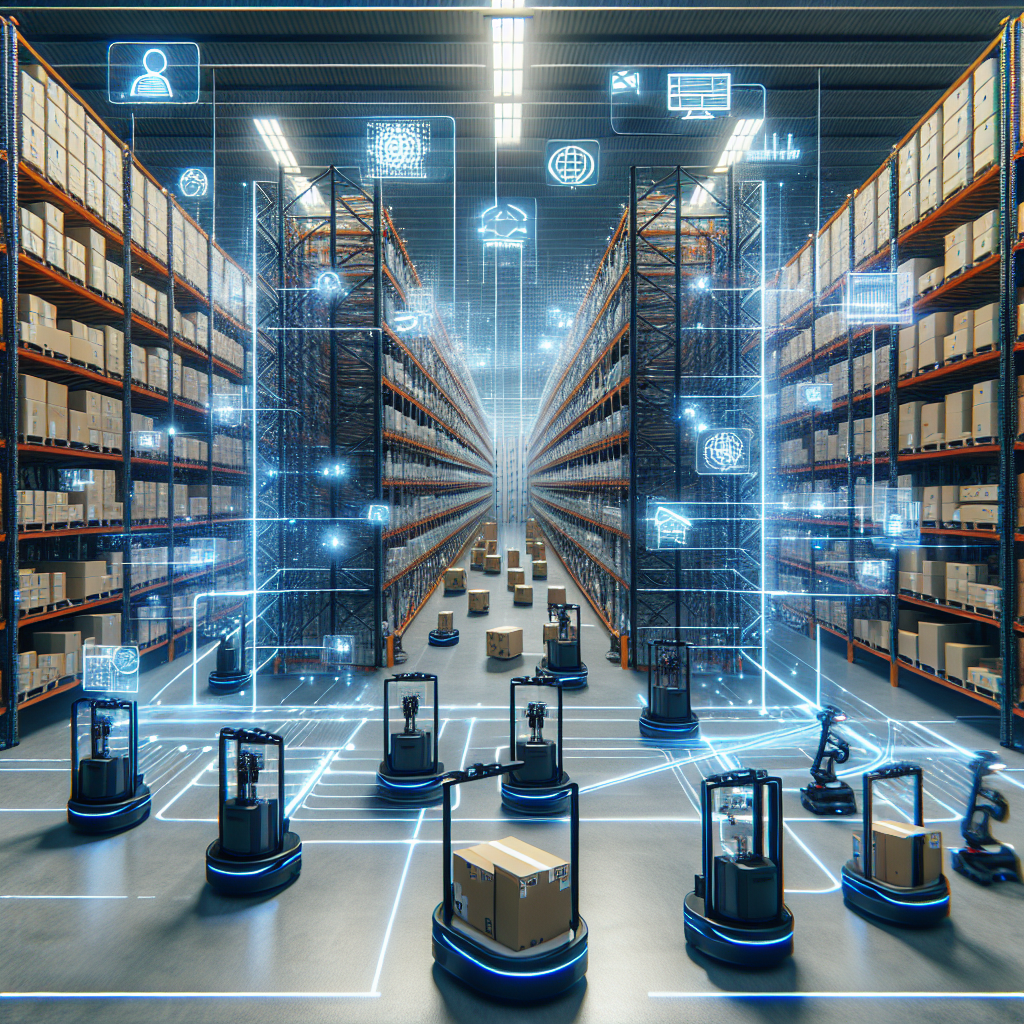
Autonomous mobile robots (AMRs) are fundamentally different from their predecessors, the automated guided vehicles (AGVs), in that they use onboard intelligence—including LiDAR, computer vision, and machine learning—to navigate dynamically within a warehouse environment. Companies like 6 River Systems and Boston Dynamics have deployed AMR fleets capable of processing thousands of picks per hour in facilities spanning hundreds of thousands of square feet.
A compelling example is Amazon’s Fulfillment Centers, where over 750,000 AMRs now collaborate with human workers, reducing the “click-to-ship” cycle time from hours to under 15 minutes. In Industry 4.0 smart factory integration, AMRs serve as the physical execution layer of zero-touch logistics orchestration, dynamically adapting routes based on real-time inventory data and demand signals.
Warehouse Edge Computing: The Brain Behind the Operation
Processing Power at the Source
Warehouse edge computing places data processing capabilities directly within the facility rather than routing information to a centralized cloud server, dramatically reducing latency from seconds to milliseconds. This is critical for autonomous mobile robots (AMRs), which require near-instantaneous data to make collision-avoidance and routing decisions in high-traffic environments.
According to IDC research, edge computing deployments in industrial settings are expected to grow at a compound annual growth rate (CAGR) of 18.4% through 2026, driven largely by smart factory and logistics applications. A real-world example is DHL’s Smart Warehouse in Singapore, which uses edge nodes to process over 1 million data points per minute, enabling seamless AMR coordination and real-time inventory accuracy rates exceeding 99.9%.
Industry 4.0 Smart Factory Integration: Connecting Every Node
Building the Interconnected Supply Chain Ecosystem
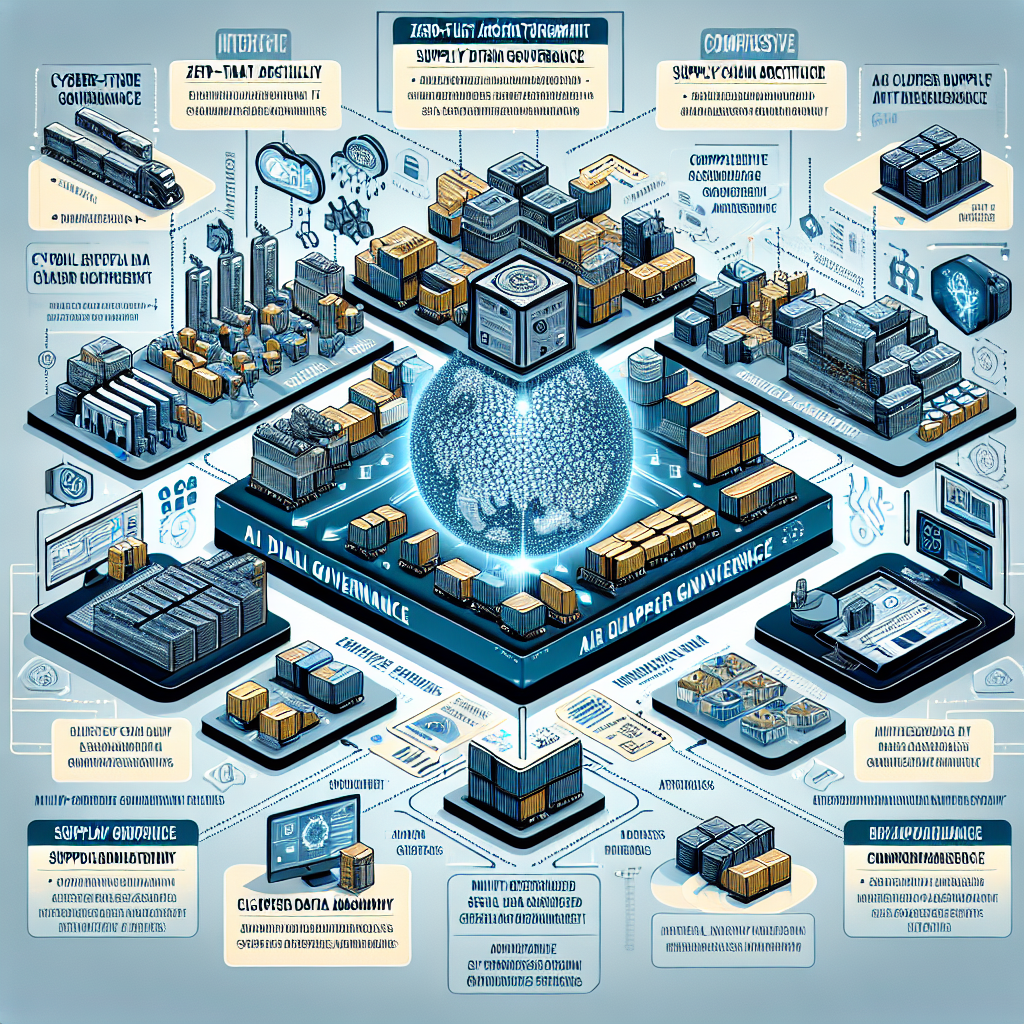
Industry 4.0 smart factory integration brings together AMRs, warehouse edge computing, IoT sensors, ERP systems, and digital twin technologies into a single, unified operational framework. This integration allows factory managers to visualize, simulate, and optimize the entire supply chain in real time through a digital twin replica of the physical environment.
Siemens, for example, operates its Amberg Electronics Plant in Germany as a near-fully autonomous smart factory, achieving a product quality rate of 99.9988% by leveraging Industry 4.0 integration with machine-to-machine (M2M) communication at every production stage. When combined with zero-touch logistics orchestration, these integrated systems ensure that raw materials arrive at the right workstation at precisely the right moment—without a single manual scheduling decision.
Overcoming Implementation Challenges
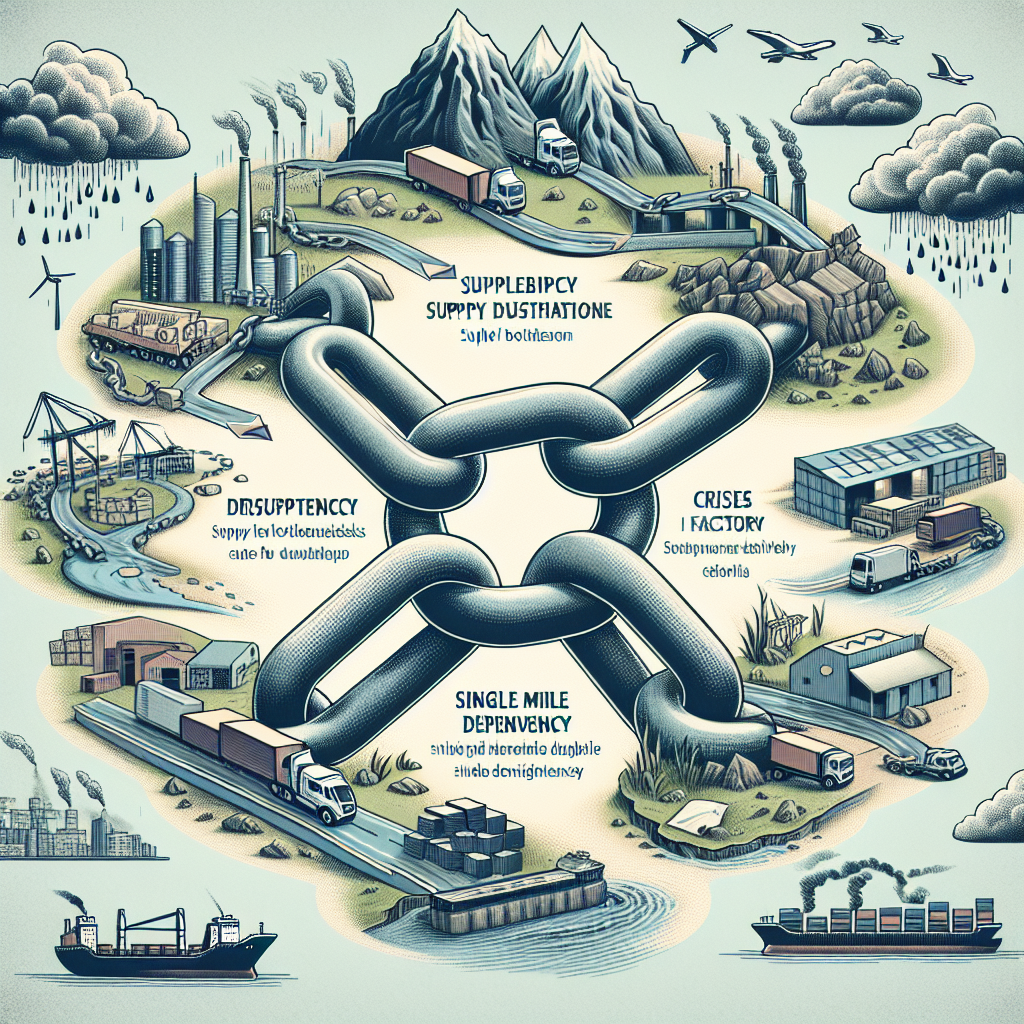
Despite its clear advantages, deploying zero-touch logistics orchestration is not without obstacles. Legacy infrastructure, interoperability gaps between older WMS platforms and modern AMR fleets, and cybersecurity vulnerabilities in edge nodes are among the most cited barriers by operations leaders.
Organizations are increasingly adopting a phased integration strategy—beginning with warehouse edge computing upgrades, then layering in AMR deployments, and finally achieving full Industry 4.0 smart factory integration over a 24–36 month roadmap. Partnering with experienced technology vendors and conducting thorough facility audits before deployment significantly reduces implementation risk.
Key Takeaways
- Zero-touch logistics orchestration automates end-to-end supply chain operations, reducing costs by up to 30%.
- Autonomous mobile robots (AMRs) serve as the dynamic physical execution layer, navigating complex environments with onboard AI.
- Warehouse edge computing enables millisecond-level data processing, essential for real-time AMR coordination and inventory accuracy.
- Industry 4.0 smart factory integration connects every operational node—from IoT sensors to digital twins—into a unified, intelligent ecosystem.
- A phased implementation strategy is the most effective path to achieving full zero-touch logistics orchestration.
Ready to explore the tools and technologies that power zero-touch logistics and smart factory supply chains? Visit BestInSupplies.com