

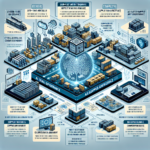





Supply chain disruption can cripple your business. Learn how to identify vulnerabilities, manage risk, and build lasting supply chain resilience before the next crisis hits.
Global supply chains have never been more interconnected — or more fragile. From pandemic-era factory shutdowns to geopolitical conflicts blocking critical shipping routes, supply chain disruption has moved from an occasional risk to a near-constant business reality. Companies that fail to proactively identify their vulnerabilities are repeatedly blindsided when the next crisis arrives.
Understanding Supply Chain Fragility: Why Disruptions Keep Happening
Modern supply chains were largely engineered for efficiency, not resilience. Decades of just-in-time manufacturing reduced inventory costs but stripped away the buffers that protect businesses during a supply chain shock. When demand surged unexpectedly in 2020 and 2021, the world witnessed the consequences: empty store shelves, semiconductor shortages costing the automotive industry an estimated $210 billion in lost revenue, and port congestion that brought global commerce to a crawl.
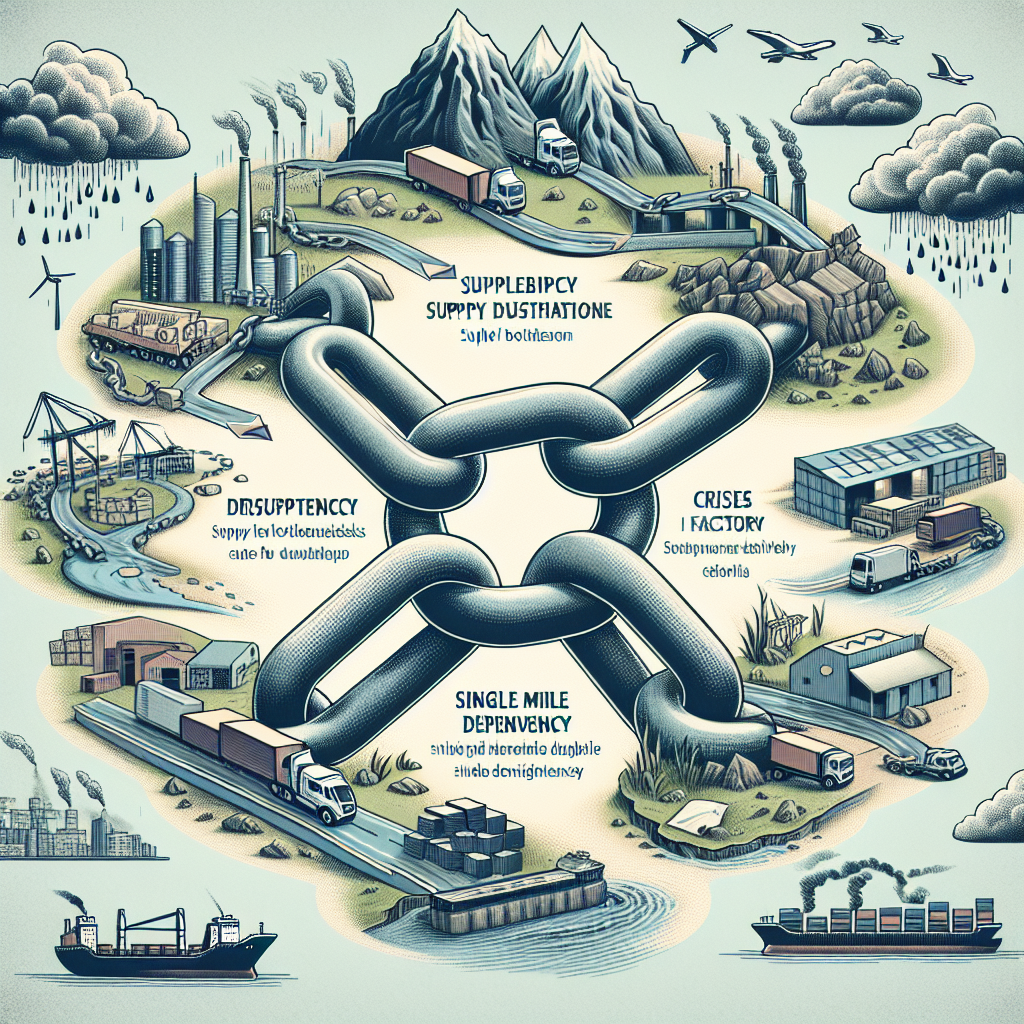
Supply chain fragility is compounded by globalization. Many businesses source raw materials and components from a single region — or even a single supplier — leaving them dangerously exposed when that link breaks. Understanding the structural weaknesses within your supply chain is the essential first step toward meaningful risk management.
Key Points
- Just-in-time models prioritize cost efficiency over resilience, increasing fragility during demand surges.
- A single supply chain shock can cascade across entire industries within days.
- Recognizing structural vulnerabilities early is critical to protecting business continuity.
Identifying Supply Chain Vulnerabilities Before They Become Crises
Effective supply chain risk management begins with a thorough vulnerability audit. Businesses must map every tier of their supply chain — not just their direct suppliers, but their suppliers’ suppliers. Research from the Gartner Supply Chain Risk Management framework consistently shows that the majority of critical disruptions originate at the second or third tier, far outside a company’s immediate visibility.
Single source dependency is among the most dangerous vulnerabilities a business can carry. When one supplier accounts for a significant share of a critical input, a supplier failure — whether due to financial collapse, a natural disaster, or geopolitical sanctions — can halt production entirely. Diversifying your supplier base and qualifying backup vendors before a crisis occurs is not a luxury; it is a business imperative.
Beyond supplier risk, companies must evaluate logistics disruption risks including freight delays, transportation bottlenecks, and port congestion. The 2021 Suez Canal blockage, which held up an estimated $9.6 billion worth of trade per day, demonstrated how a single chokepoint could cascade into a global supply shortage affecting industries from energy to consumer electronics.
Key Points
- Multi-tier supply chain mapping reveals hidden vulnerabilities beyond direct suppliers.
- Single source dependency dramatically increases exposure to supplier failure.
- Logistics vulnerabilities such as port congestion and freight delays require dedicated contingency planning.
High-Risk Areas: From Raw Material Shortage to Last Mile Delivery Problems
Certain nodes within the supply chain consistently generate outsized disruption risk. Raw material shortage remains a persistent threat, particularly for industries dependent on rare earth minerals, agricultural commodities, or petroleum-based inputs. The lithium supply crunch affecting electric vehicle manufacturers throughout 2022 and 2023 is a vivid example of how raw material constraints can stall entire industry sectors.
Cold chain disruption presents a specialized but severe category of risk for food, pharmaceutical, and biotechnology companies. Temperature-controlled logistics require unbroken infrastructure across storage, transit, and last mile delivery. Even a brief lapse — such as refrigeration failure during a freight delay — can result in total product loss, regulatory consequences, and significant reputational damage. Companies operating in these sectors should conduct regular cold chain audits and maintain redundant carrier relationships.
Last mile delivery problems have intensified as e-commerce volumes have soared. Urban congestion, driver shortages, and inadequate delivery infrastructure create supply chain bottlenecks that frustrate customers and inflate fulfillment costs. Businesses that rely exclusively on a single carrier or delivery model are especially vulnerable when that system experiences peak-season strain or labor disruption.
Key Points
- Raw material shortages can lock entire industries into production stalls with limited short-term remedies.
- Cold chain disruption carries compounding risks including product loss, regulatory exposure, and brand damage.
- Last mile delivery problems require diversified carrier strategies and proactive contingency planning.
Building Supply Chain Resilience: Practical Strategies for Long-Term Stability
Supply chain resilience is not built overnight, but organizations that invest systematically in risk reduction consistently outperform competitors during periods of disruption. A resilient supply chain strategy combines supplier diversification, strategic inventory positioning, technology investment, and scenario-based planning to create multiple layers of protection.
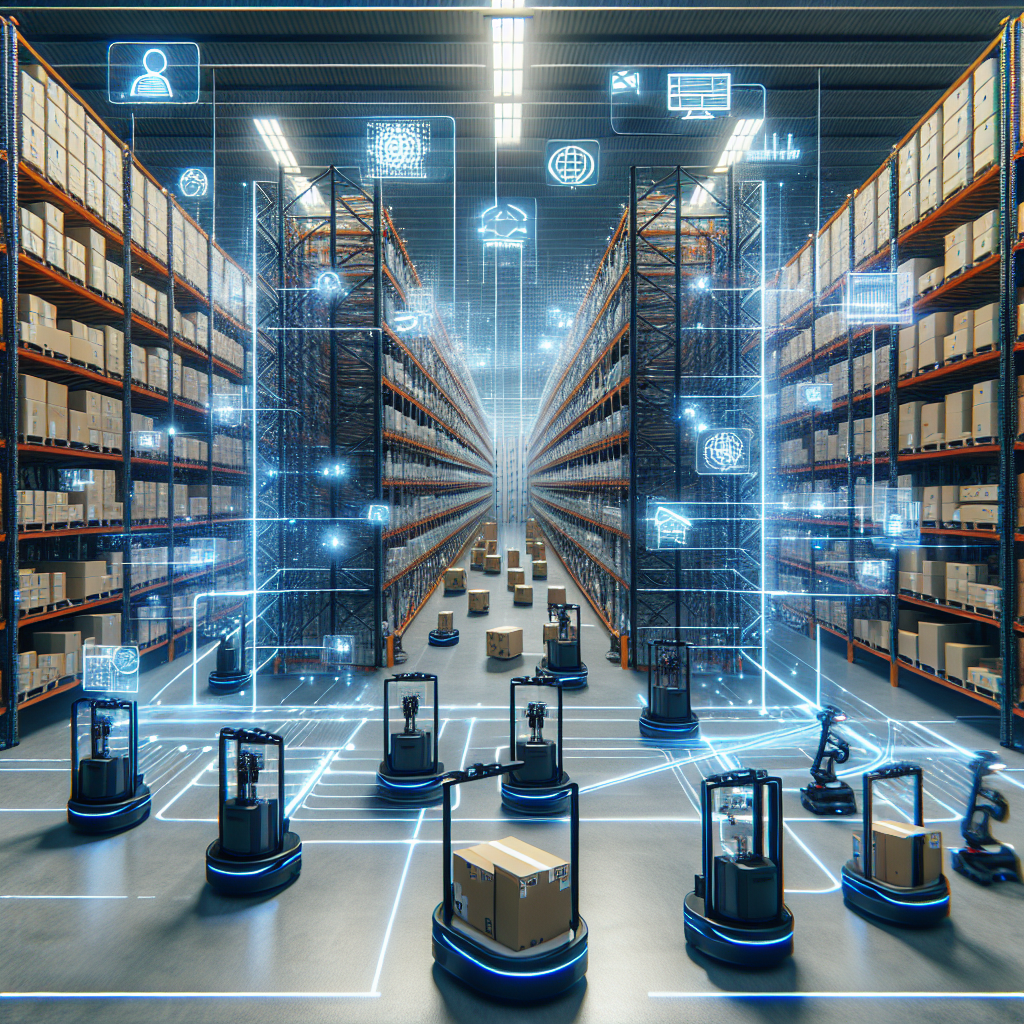
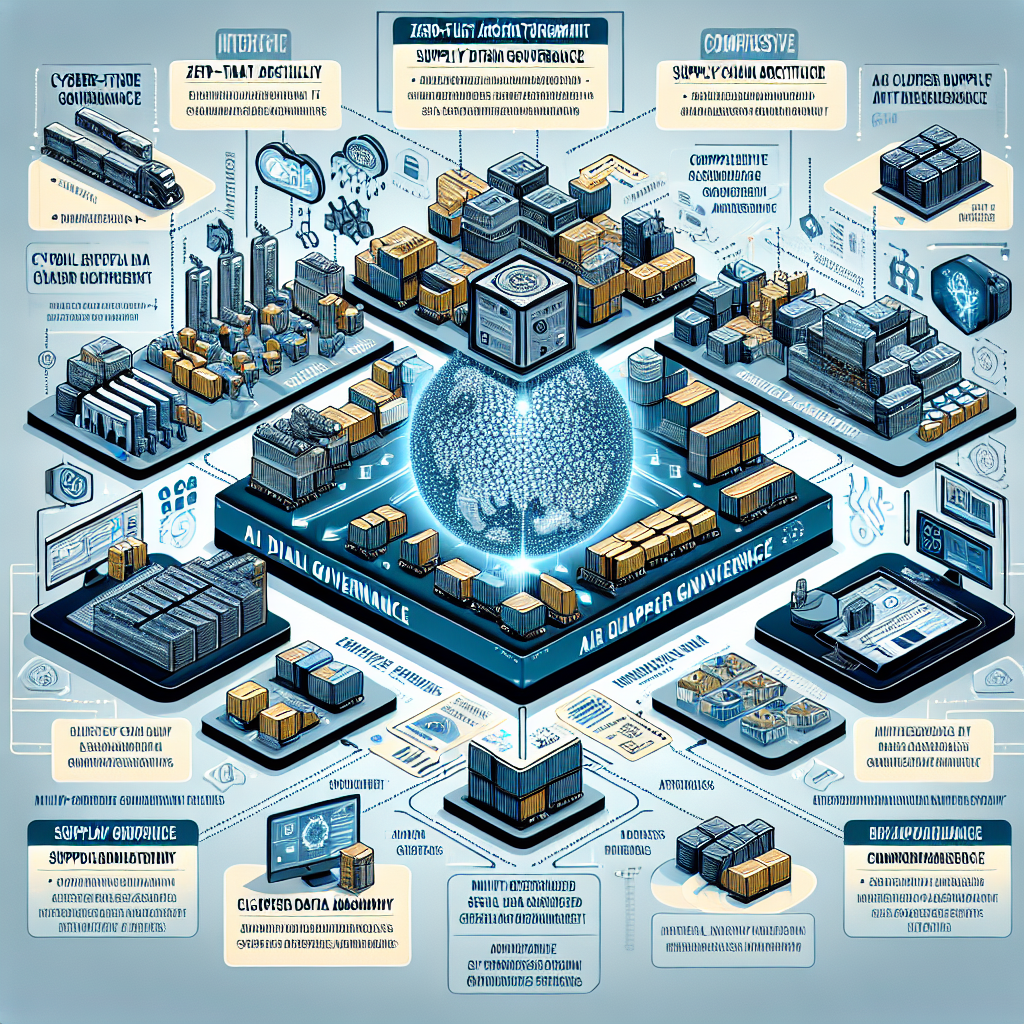
Technology plays an increasingly vital role in resilience-building. Real-time supply chain visibility platforms allow businesses to monitor inventory levels, track shipments, and receive early warnings of potential supply chain crises before they escalate. Tools powered by artificial intelligence can model disruption scenarios, identify supply chain bottlenecks proactively, and recommend corrective actions across complex multi-tier networks. Leading platforms such as Resilinc and LLamasoft are widely adopted for this purpose.
Strategic inventory buffering — sometimes called “just-in-case” inventory — is experiencing a significant revival. Following the supply chain crisis of 2020–2022, many manufacturers and retailers restructured their inventory policies to maintain higher safety stock levels for critical components. While this approach carries carrying costs, the business continuity value it provides during a supply shortage or logistics disruption far outweighs those expenses for most operations.
Learn more about supply chain management best practices at BestInSupplies.com.