








Shipping disruptions are reshaping global supply chains. Discover smart inventory management and logistics strategies to stay resilient and reduce costly delays.
Shipping Disruption Is the New Normal — Here’s How to Fight Back
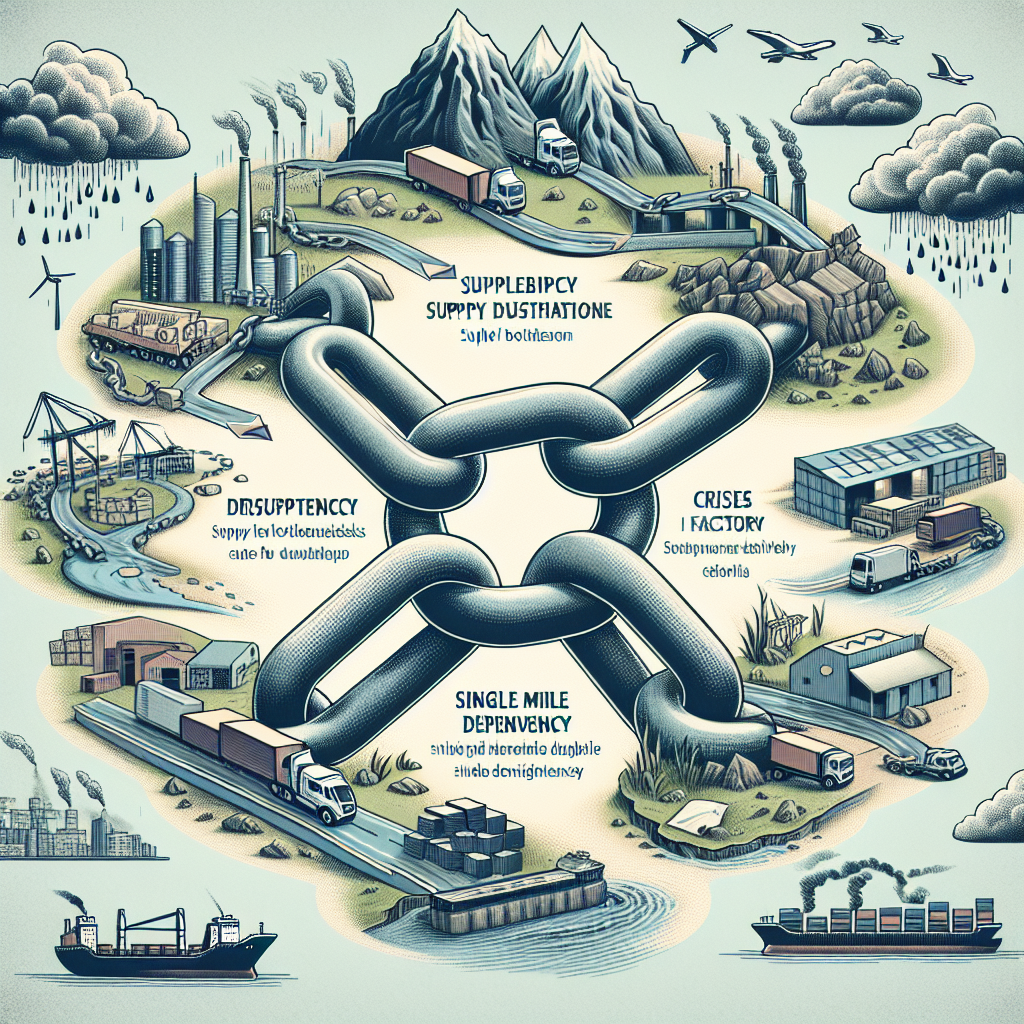
Global supply chains have never faced more simultaneous pressure points. From port congestion and geopolitical conflicts to extreme weather events and carrier capacity shortages, shipping disruption has moved from an occasional headache to a persistent operational reality. Businesses that rely on outdated inventory practices are being left behind, while those investing in smarter logistics strategies are gaining a decisive competitive edge.
Understanding the True Cost of Logistics Disruption
The financial impact of logistics disruption extends far beyond delayed shipments. According to a 2023 report by McKinsey & Company, supply chain disruptions cost companies an average of 45% of one year’s profits over the course of a decade. These losses accumulate through expedited shipping fees, lost sales, customer attrition, and emergency procurement at premium prices.
Manufacturers and retailers that depend on lean, just-in-time models have been particularly vulnerable. The COVID-19 pandemic exposed critical gaps, with automotive giants like Toyota and Ford halting production lines due to semiconductor shortages — a stark reminder that supply chain fragility is a boardroom-level concern, not just an operational footnote.
Key Points
- Supply chain disruptions can erase nearly half a year’s profits over a decade.
- Just-in-time inventory models carry significant risk in volatile environments.
- Disruptions affect production, customer retention, and brand reputation simultaneously.
Just-In-Time Inventory Risks and Why Safety Stock Is Making a Comeback
For decades, just-in-time inventory was celebrated as the gold standard of operational efficiency. By minimizing on-hand stock and relying on precise, on-demand delivery schedules, companies reduced carrying costs and improved cash flow. However, the just-in-time inventory risks became painfully apparent when even minor disruptions cascaded into major shortfalls across multiple industries.
In response, supply chain leaders are revisiting their safety stock strategy. Safety stock acts as a buffer inventory held to guard against demand variability and supply uncertainty. A well-calibrated safety stock strategy balances the cost of holding extra inventory against the cost of stockouts and lost sales. For example, pharmaceutical companies like Johnson & Johnson now publicly report maintaining expanded safety stock reserves for critical raw materials as part of their supply chain resilience plans.
Key Points
- Just-in-time models are efficient but dangerously fragile under disruption scenarios.
- A structured safety stock strategy reduces stockout risk without excessive carrying costs.
- Industry leaders in pharma and manufacturing are actively rebuilding buffer inventory levels.
Smarter Warehouse Management to Absorb Supply Chain Shocks
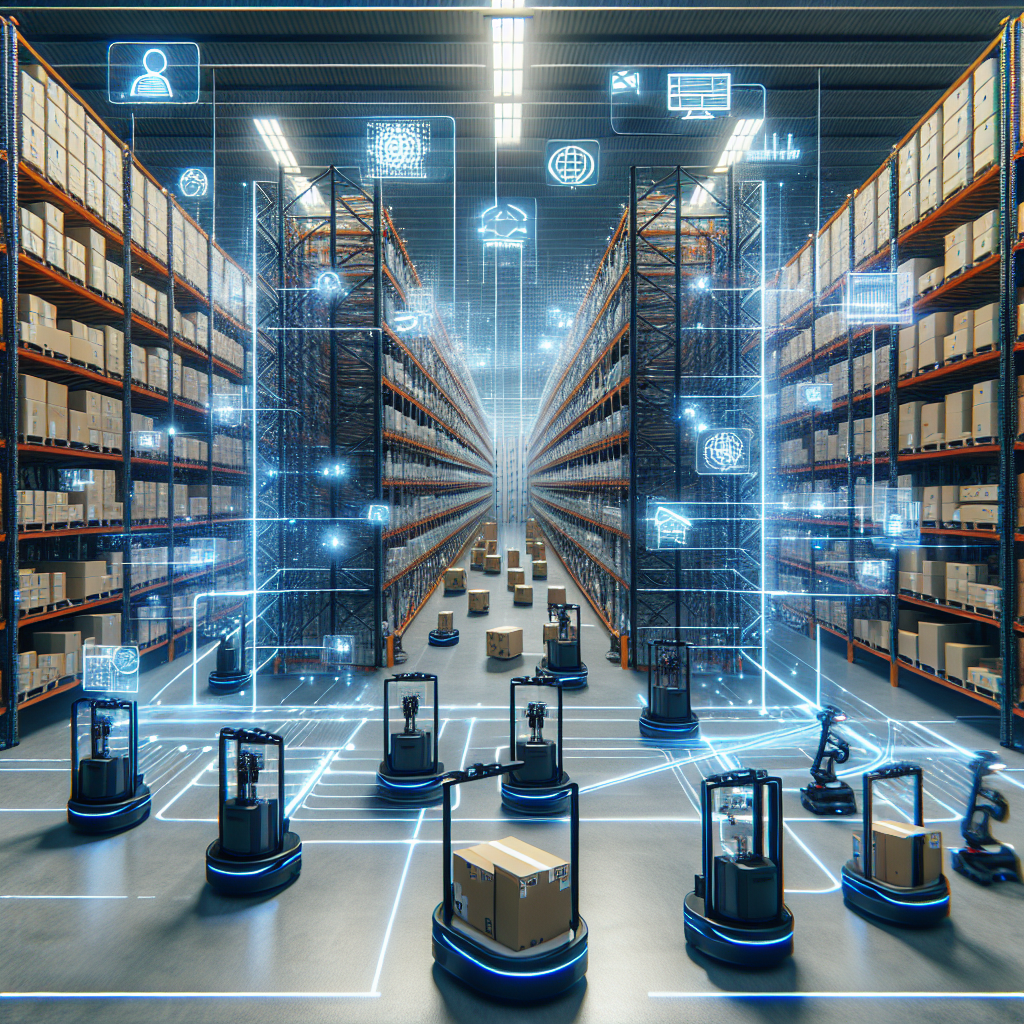
Effective warehouse management is the operational backbone that determines how well a business absorbs supply chain volatility. Modern warehouse management systems (WMS) enable dynamic slotting, automated replenishment triggers, and real-time visibility across multiple storage facilities. Companies using advanced WMS platforms report fulfillment accuracy improvements of up to 99.9%, according to data from the Warehousing Education and Research Council.
Strategic warehouse positioning is equally critical. Distributed warehousing — placing inventory in multiple regional hubs rather than a single central facility — significantly shortens response times during disruptions. Retailers like Amazon and Walmart have invested heavily in distributed fulfillment networks, enabling them to reroute orders within hours when a primary distribution center is impacted by weather or carrier failures.
Key Points
- Advanced WMS platforms can push fulfillment accuracy to near-perfect levels.
- Distributed warehousing reduces geographic dependency and improves resilience.
- Real-time warehouse visibility is essential for rapid response during disruptions.
Inventory Management Software: The Engine Behind Supply Chain Resilience
Modern inventory management software does far more than track product counts. Leading platforms integrate demand forecasting algorithms, supplier performance analytics, and automated reorder point calculations into a single unified dashboard. Solutions such as NetSuite, Fishbowl, and SAP Integrated Business Planning allow businesses to simulate disruption scenarios and stress-test their supply chains before a crisis occurs.
The measurable benefits are substantial. A study published by Gartner found that companies leveraging advanced inventory management software reduced excess inventory by up to 30% while simultaneously improving service levels. For businesses managing thousands of SKUs across multiple channels, this level of precision is simply unachievable with spreadsheet-based tools or legacy systems.
Key Points
- Modern inventory management software integrates forecasting, supplier analytics, and automation.
- Advanced platforms can reduce excess inventory by up to 30% while improving service levels.
- Scenario simulation capabilities allow proactive disruption planning before crises occur.
Real-Time IoT Inventory Tracking: Visibility You Can Act On
Real-time IoT inventory tracking has transformed supply chain visibility from a periodic snapshot into a continuous, actionable data stream. IoT sensors embedded in pallets, shipping containers, and warehouse shelving units transmit live location, temperature, humidity, and tamper-detection data. This enables supply chain teams to identify delays, reroute shipments, and trigger contingency protocols the moment an anomaly occurs — rather than discovering a problem days later through a delayed carrier update.
According to IDC Research, global spending on IoT in supply chain management is projected to exceed $19 billion by 2026, reflecting rapid enterprise adoption. Companies in the cold chain sector — including food distributors and biopharmaceutical shippers — are among the fastest adopters, given the high cost of spoilage and regulatory compliance requirements tied to real-time temperature monitoring.
Key Points
- IoT sensors provide live, actionable data on shipment location, condition, and integrity.
- Global IoT spending in supply chain is forecast to surpass $19 billion by 2026.
- Cold chain and pharmaceutical sectors are leading IoT adoption due to compliance demands.
Lead Time Reduction Strategies That Strengthen Your Supply Chain
Achieving meaningful lead time reduction requires a multi-pronged approach that addresses supplier relationships, procurement processes, and transportation carrier diversification. Businesses that consolidate their supplier base and establish strategic partnerships with vendors capable of faster turnaround see measurable gains. For instance, companies that implement vendor-managed inventory (VMI) programs often cut procurement lead times by 20–40%, according to supply chain research published by the Institute for Supply Management.
Carrier diversification is another proven tactic. Relying on a single freight partner creates a single point of failure. By pre-qualifying multiple carriers for each trade lane and building rate contracts that allow dynamic carrier selection, logistics teams can reroute shipments within hours when a preferred carrier faces capacity constraints or service failures.
Key Points
- Vendor-managed inventory programs can reduce procurement lead times by 20–40%.
- Carrier diversification eliminates single points of failure in transportation networks.
- Supplier relationship strength directly correlates with lead time performance during disruptions.