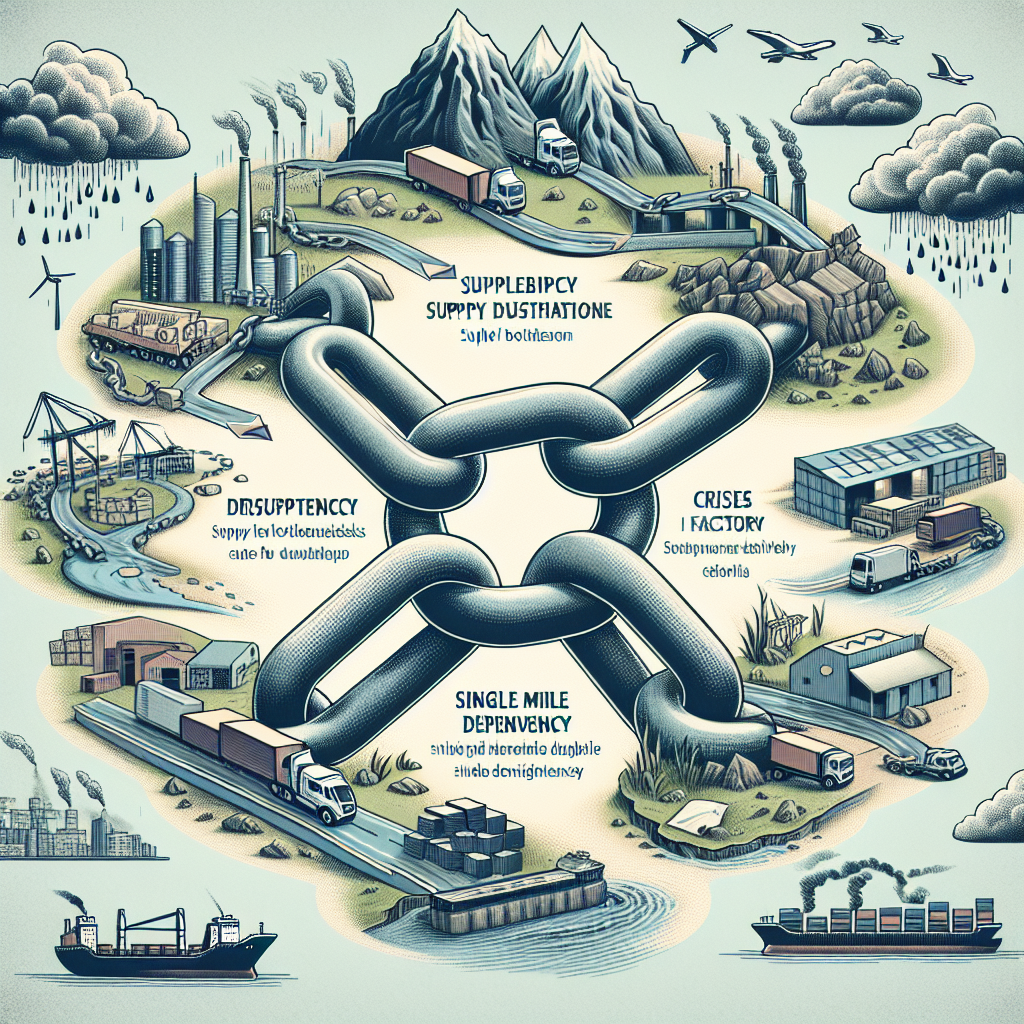




Supply chain resilience strategies have never been more critical than now, as global disruptions—from geopolitical tensions to climate-driven port closures—continue to test even the most sophisticated operations. Organizations that once relied on static contingency plans are now investing in dynamic, technology-driven frameworks capable of adapting in real time. This post explores the three most transformative pillars reshaping supply chain resilience: digital twins, AI governance, and zero-touch logistics orchestration.
Supply Chain Digital Twins: Building a Real-Time Operational Mirror
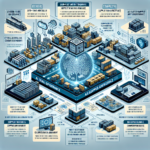
Supply chain digital twins are virtual replicas of physical supply chain networks that simulate, analyze, and predict operational behavior using real-time data feeds. According to Gartner, by 2025, over 50% of large global manufacturers will be using digital twins to support supply chain decision-making. Companies like Unilever and BMW have already deployed enterprise-grade digital twins that allow planners to model the ripple effects of a single supplier failure across dozens of downstream tiers.
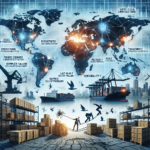
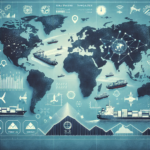
The real power of digital twins lies in their ability to enable real-time chokepoint tracking—identifying bottlenecks before they cascade into major disruptions. For example, during the 2023 Red Sea shipping crisis, organizations with digital twin infrastructure were able to reroute shipments and recalculate lead times within hours, not days. This responsiveness translates directly into reduced inventory costs and stronger customer SLA performance.
Key Integration Points for Digital Twins
Effective digital twin deployment requires integration with IoT sensors, ERP systems, and external data sources such as weather APIs and port congestion feeds. The result is a living model that continuously updates and flags risk thresholds automatically. Organizations should prioritize cloud-native twin platforms to ensure scalability and cross-partner data sharing.
Multi-Tier Supplier Visibility: Seeing Beyond Your Tier-1 Partners
One of the most persistent vulnerabilities in global supply chains is the invisibility of sub-tier suppliers. Multi-tier supplier visibility tools now allow organizations to map and monitor suppliers at Tier 2, Tier 3, and beyond—creating a comprehensive risk landscape that was previously impossible to achieve at scale. A 2024 McKinsey report found that 70% of supply chain disruptions originate below Tier 1, making this visibility not just valuable but essential.
Platforms like Resilinc and riskmethods (now part of Sphera) use AI-powered data aggregation to monitor thousands of sub-tier supplier sites for financial instability, geopolitical risks, and natural disaster exposure. For instance, a major automotive OEM using Resilinc was able to identify a critical semiconductor sub-supplier in Taiwan at risk of a production halt six weeks before the disruption materialized—enabling a timely dual-sourcing decision. This kind of proactive intelligence is the new competitive differentiator in supply chain management.
Building a Supplier Visibility Roadmap
Achieving multi-tier visibility is an incremental process that begins with Tier-1 data standardization and expands outward using network mapping tools and shared supplier portals. Procurement teams should establish data-sharing agreements and incentivize supplier transparency through scorecards and preferred-partner status. Without structured data governance, even the best visibility tools will surface incomplete or unreliable intelligence.
AI Governance in Supply Chain: Accountability for Automated Decisions
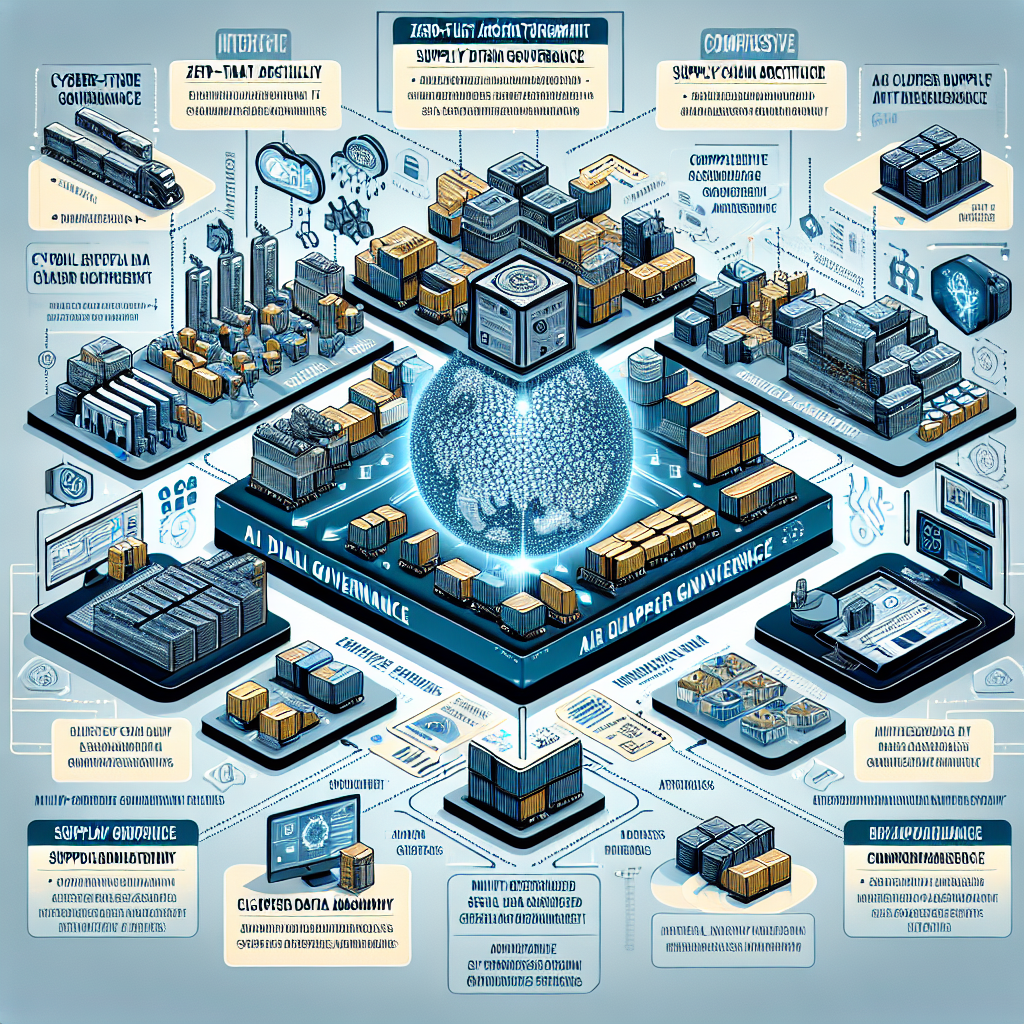
AI governance in supply chain operations has emerged as a critical discipline as more decisions—from demand forecasting to supplier selection and logistics routing—are delegated to machine learning models. Without proper governance frameworks, AI systems can perpetuate biased outcomes, make opaque decisions that violate regulatory requirements, or optimize for narrow KPIs at the expense of broader resilience goals. The EU AI Act, which began phased enforcement in 2024, directly impacts supply chain AI applications classified as high-risk, particularly those used in critical infrastructure logistics.
Leading organizations are now establishing AI Supply Chain Control Towers staffed with cross-functional teams including data scientists, procurement leaders, and risk officers. Amazon’s fulfillment network, for example, uses AI governance layers that require human-in-the-loop approval for any automated decision exceeding a defined financial or operational threshold. This hybrid model ensures that automation drives efficiency while human oversight maintains accountability and ethical compliance.
Designing an AI Governance Framework for Supply Chains
A robust governance framework should include model explainability requirements, bias auditing protocols, and clear escalation paths for edge cases that fall outside model confidence thresholds. Organizations should also define which supply chain decisions are permissible for full automation versus those requiring human review. Aligning AI governance with existing ESG and compliance reporting structures helps embed accountability into existing organizational workflows.
Zero-Touch Logistics Orchestration: Automating the End-to-End Flow
Zero-touch logistics orchestration refers to the end-to-end automation of logistics execution—from purchase order creation and carrier selection to customs filing and last-mile delivery confirmation—without manual intervention at each step. This model is increasingly achievable due to advances in API-connected freight platforms, autonomous warehousing, and AI-driven exception management. According to McKinsey, companies implementing end-to-end logistics automation report up to a 30% reduction in logistics operating costs and a 50% improvement in order cycle times.
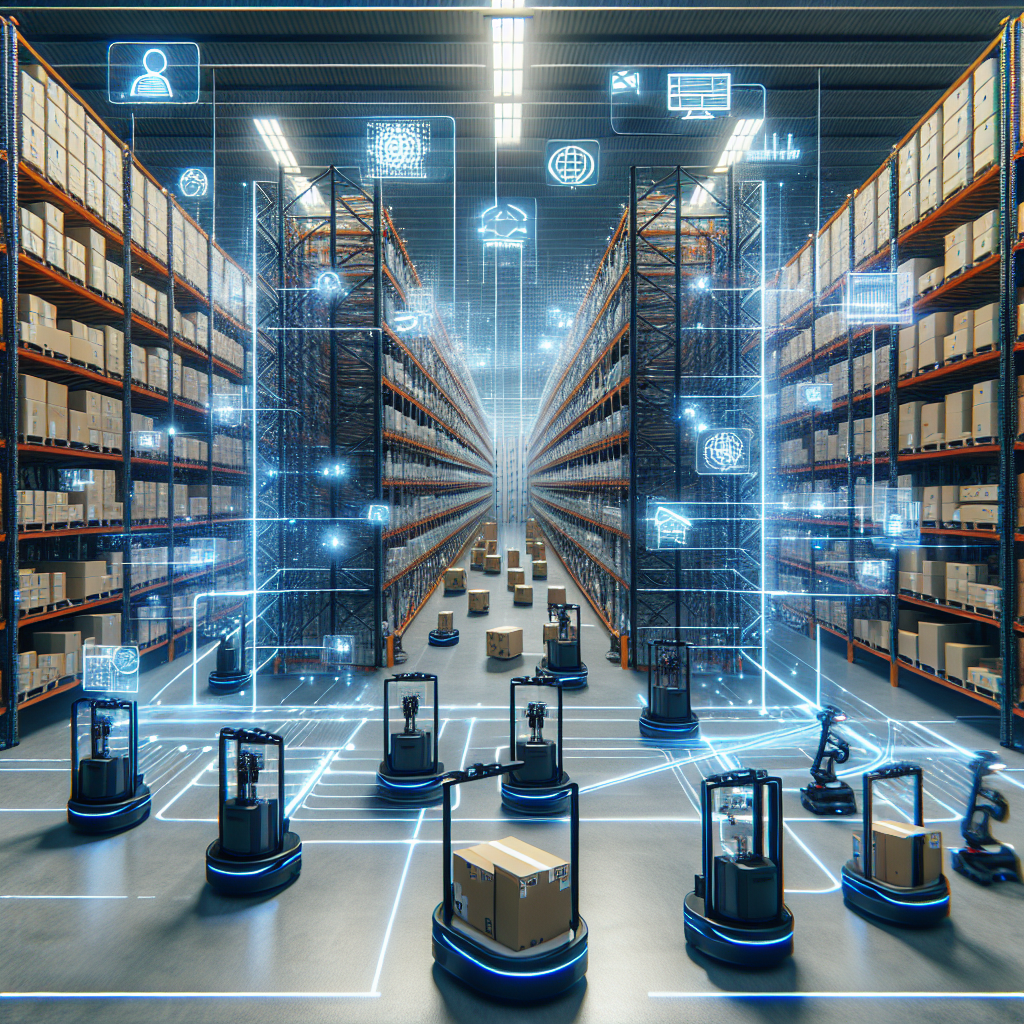
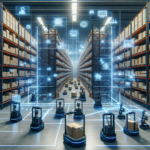
DHL’s SmartWarehouse initiative and Maersk’s end-to-end logistics platform are two real-world benchmarks demonstrating zero-touch logistics at enterprise scale. DHL’s facilities in the Netherlands use autonomous mobile robots, computer vision-based picking systems, and AI-managed inventory replenishment that collectively reduce human touchpoints by over 80% per order cycle. Maersk’s integrated platform connects sea freight booking, inland transport, and customs clearance into a single automated workflow, dramatically reducing the coordination overhead that has traditionally plagued global shippers.
Prerequisites for Zero-Touch Logistics Success
Achieving zero-touch logistics requires a foundation of clean, standardized data across all logistics partners and systems—a challenge many organizations underestimate. API interoperability between TMS, WMS, ERP, and carrier platforms is non-negotiable, and organizations must invest in exception-handling algorithms that can autonomously resolve the most common failure scenarios