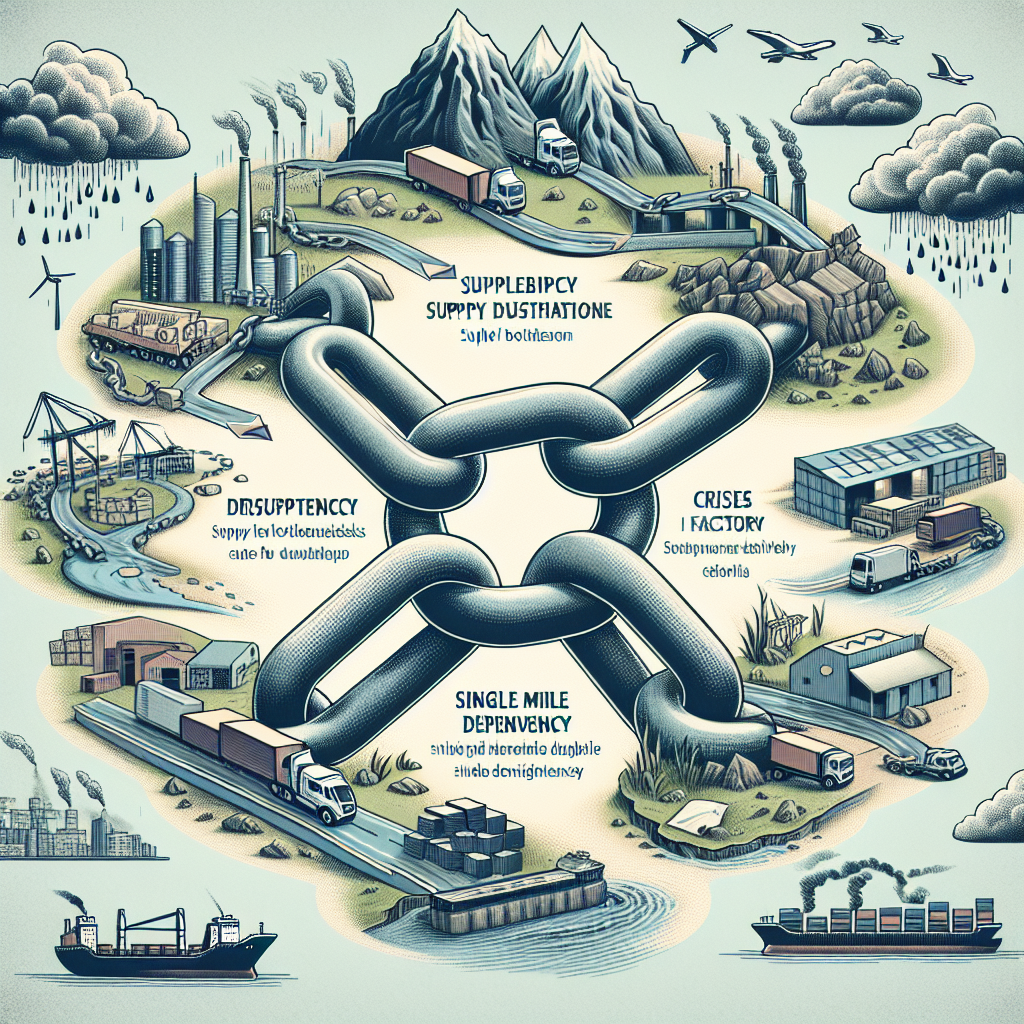









Shipping disruption has become the defining challenge of modern commerce, forcing businesses to rethink how they source, store, and deliver goods. From pandemic-era port congestion to geopolitical tensions rerouting freight lanes, supply chains that once ran like clockwork now require proactive, technology-driven strategies to survive. Companies that adapt quickly are not just recovering losses—they are gaining measurable competitive advantages.
The New Reality of Logistics Disruption
Logistics disruption today is no longer a rare event but a recurring operating condition. According to a 2023 McKinsey report, companies can expect supply chain disruptions lasting one month or longer every 3.7 years on average, with significant financial exposure each time. This reality demands that businesses move beyond reactive firefighting toward building structural resilience.
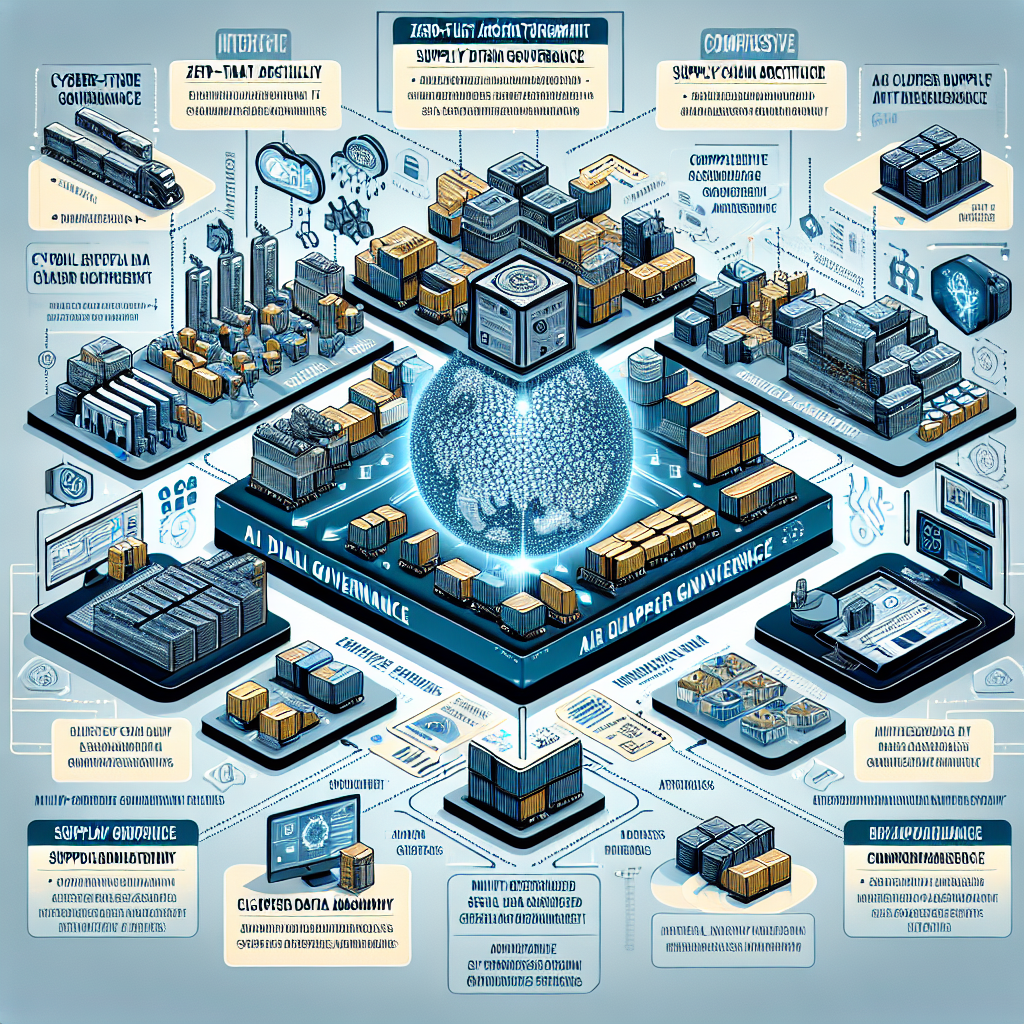
One of the most impactful shifts has been the adoption of inventory management software that provides end-to-end visibility across suppliers, warehouses, and distribution networks. Tools like NetSuite, Fishbowl, and SAP Integrated Business Planning allow procurement teams to simulate disruption scenarios, identify single-source vulnerabilities, and trigger automatic reorder protocols before shortages cascade into stockouts.
Key Points
🔵 Logistics disruptions now occur with regularity, making reactive strategies insufficient.
🔵 Inventory management software enables scenario planning and automatic reorder triggers.
🔵 End-to-end visibility is the foundation of supply chain resilience.
Rethinking Warehouse Management in a Volatile Market
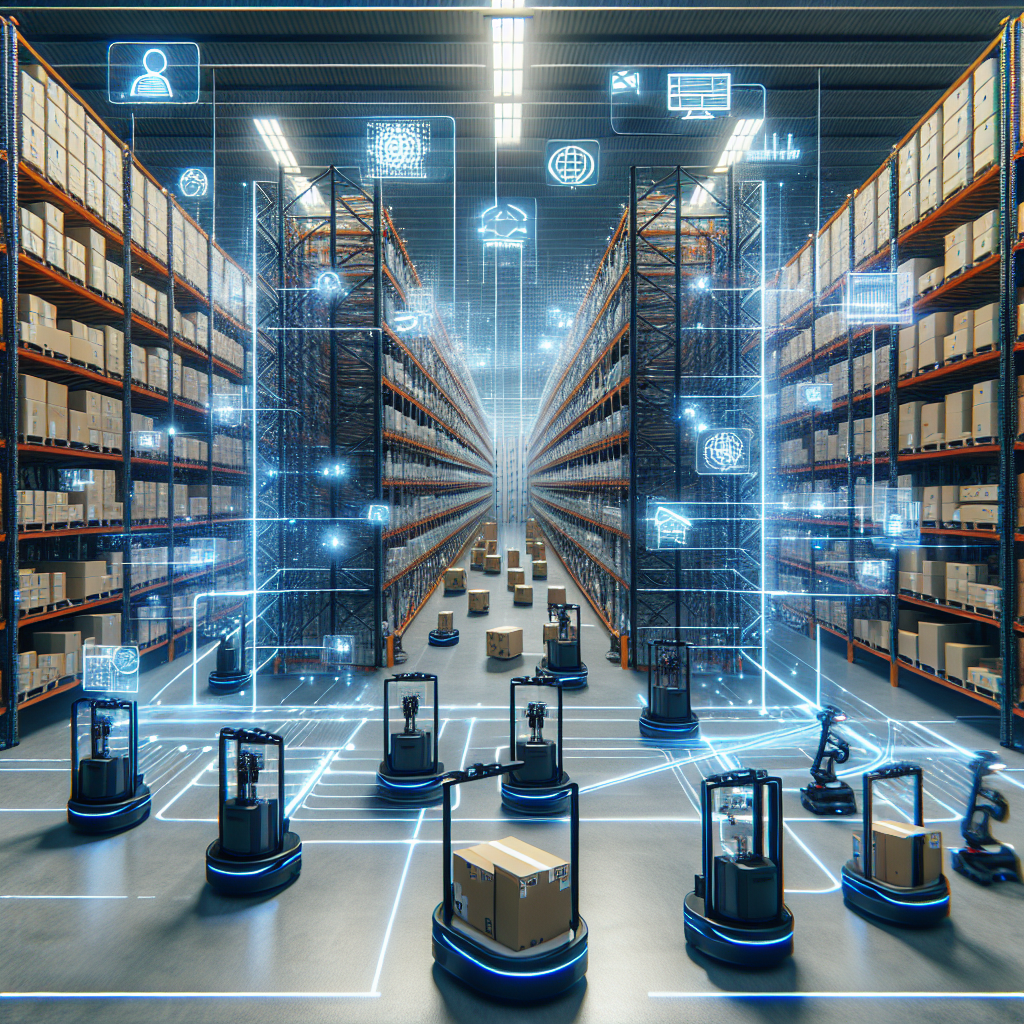
Effective warehouse management has evolved from simple shelving and picking operations into a sophisticated orchestration of space, labor, and data. Modern distribution centers are deploying robotic picking systems, automated conveyor routing, and AI-powered slotting optimization to process higher order volumes with fewer errors and reduced labor dependency. Amazon’s fulfillment network, for example, now integrates over 750,000 robots alongside human workers to maintain throughput under demand spikes.
Warehouse layout and inventory positioning strategies are equally critical. By applying ABC analysis—categorizing products by velocity and value—warehouse managers can place fast-moving SKUs closer to shipping docks, cutting pick-and-pack times by up to 30%. This directly supports lead time reduction, one of the most effective buffers against external supply chain delays.
Key Points
🔵 Robotics and AI-powered slotting are transforming warehouse throughput and accuracy.
🔵 ABC inventory analysis can reduce pick-and-pack times by up to 30%.
🔵 Smart warehouse management directly accelerates lead time reduction across the network.
Safety Stock Strategy vs. Just-In-Time Inventory Risks
For decades, just-in-time inventory was celebrated as the gold standard of lean supply chain management, minimizing holding costs and maximizing cash flow efficiency. However, the COVID-19 pandemic exposed the critical vulnerabilities of just-in-time inventory risks when disruptions hit simultaneously across multiple tiers of a supply chain. Automotive manufacturers like Toyota and Ford lost billions in revenue when semiconductor shortages halted production lines that carried virtually zero buffer stock.
A well-designed safety stock strategy offers a calculated middle ground, using statistical demand variability and supplier lead time data to determine the optimal buffer quantity for each SKU. Rather than holding excess inventory across the board, businesses can apply dynamic safety stock models that adjust thresholds seasonally or in response to real-time supplier risk signals. This approach balances cost control with protection against the most damaging stockout scenarios.
Key Points
🔵 Just-in-time inventory risks became severe realities during global supply disruptions.
🔵 A dynamic safety stock strategy uses data to calibrate buffers—not blanket overstock.
🔵 Combining lean principles with strategic buffers offers the most resilient inventory posture.
Real-Time IoT Inventory Tracking and Last-Mile Delivery Orchestration
Real-time IoT inventory tracking is rapidly becoming a non-negotiable capability for businesses managing distributed warehouses, third-party logistics partners, and high-SKU product catalogs. IoT-enabled sensors and RFID tags provide continuous location, condition, and quantity data for inventory in transit and at rest, reducing shrinkage by an average of 25% according to a 2022 Zebra Technologies study. This live data stream integrates directly with inventory management software to trigger replenishment, flag anomalies, and support auditing in real time.
On the customer-facing end, last-mile delivery orchestration has emerged as the final frontier of supply chain performance. Platforms like project44 and FourKites use AI and carrier network data to dynamically reroute shipments, select optimal delivery windows, and provide customers with accurate ETAs. Given that last-mile delivery can account for up to 53% of total shipping costs according to Business Insider, orchestrating this phase intelligently delivers both cost savings and customer satisfaction improvements simultaneously.
Key Points
🔵 Real-time IoT inventory tracking reduces shrinkage by an average of 25%.
🔵 Last-mile delivery orchestration uses AI to dynamically optimize routing and ETAs.
🔵 Last-mile costs can represent over 53% of total shipping spend, making optimization essential.
Key Takeaways
Building a resilient supply chain in today’s environment requires layering smart technology, data-driven inventory decisions, and agile logistics strategies that can flex under pressure. Businesses that invest in these capabilities now are positioning themselves to absorb disruptions that will continue to challenge global trade lanes for years to come.
🔵 Shipping disruption is a recurring condition—resilience must be structural, not reactive.
🔵 Inventory management software and real-time IoT inventory tracking provide the visibility needed for proactive decision-making.
🔵 A balanced safety stock strategy mitigates just-in-time inventory risks without sacrificing efficiency.
🔵 Modern warehouse management and lead time reduction directly strengthen supply chain throughput.
🔵 Last-mile delivery orchestration closes the loop, ensuring customer satisfaction while controlling costs.
For more expert insights on inventory tools, warehouse solutions, and supply chain strategies tailored to your business, explore the full resource library at BestInSupplies.com—your trusted source for supply chain intelligence.