






Supply chain disruption doesn’t announce itself — it arrives through a port shutdown, a factory fire, a geopolitical conflict, or a global pandemic. Organizations that survive and adapt are those that identified their weaknesses before the crisis hit. This guide walks you through the most critical vulnerabilities in modern supply chains and the proven strategies to build lasting resilience.
Understanding Supply Chain Fragility in Today’s Global Economy
Modern supply chains are longer, faster, and more interconnected than ever — and that complexity creates fragility. The McKinsey Global Institute estimates that companies can expect a supply chain disruption lasting one month or longer every 3.7 years on average, with severe shocks occurring every decade.
The COVID-19 pandemic exposed just how brittle global supply networks had become, triggering simultaneous supply shortages across semiconductors, personal protective equipment, food, and lumber. What made these crises so damaging was not simply the disruption itself, but the absence of early warning systems and contingency plans.
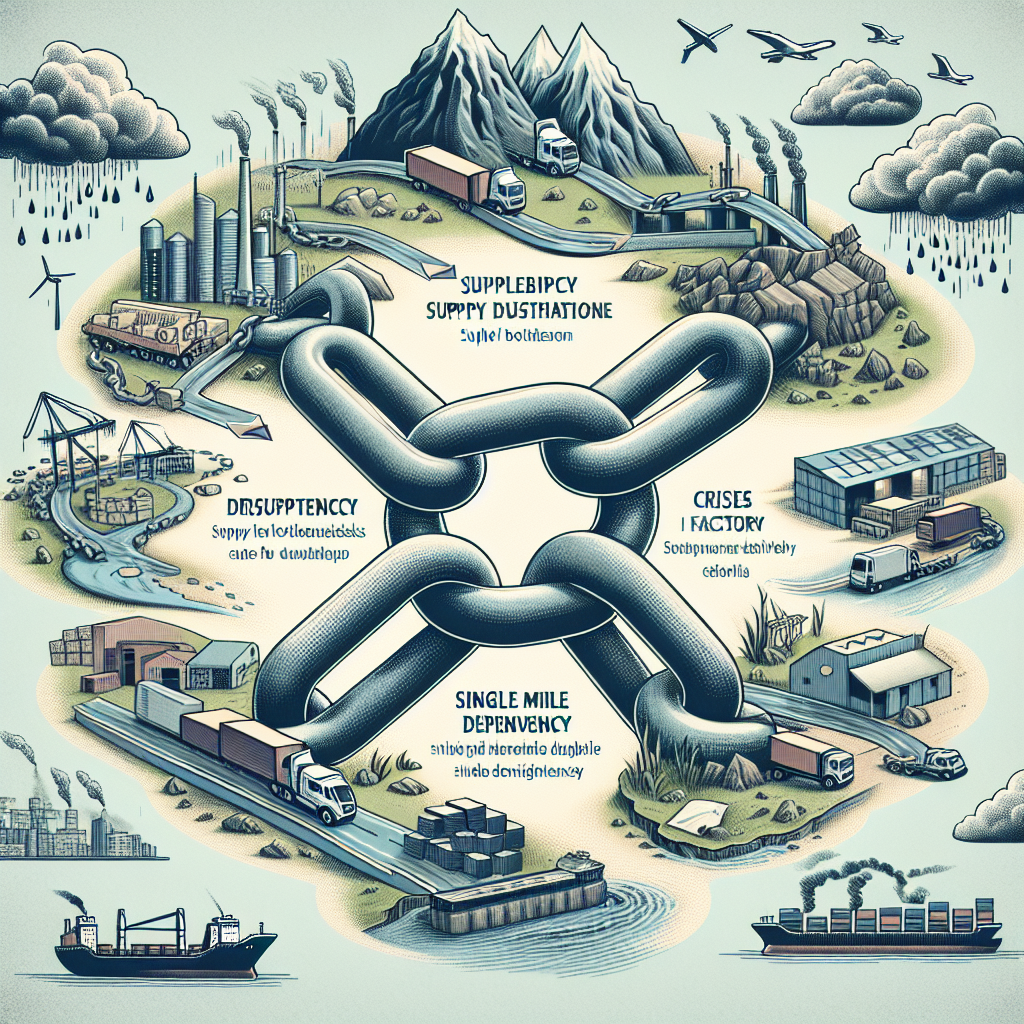
Supply chain fragility often stems from decades of cost-cutting decisions — lean inventories, offshore consolidation, and single-source dependency — all of which maximized efficiency but minimized flexibility. Understanding where fragility lives in your network is the first step toward eliminating it.
- Global supply chains face a significant disruption every 3-4 years on average.
- Lean, efficiency-first strategies reduce costs but increase vulnerability to shocks.
- Identifying fragility before a crisis requires systematic mapping and risk assessment.
Identifying Supply Chain Vulnerabilities Before They Become Crises
Single Source Dependency and Supplier Failure Risk
One of the most dangerous vulnerabilities in any supply chain is single source dependency — relying on one supplier, one region, or one port for a critical input. When that single node fails, the entire chain can collapse. The 2011 earthquake and tsunami in Japan, for example, disrupted global automotive and electronics supply chains for months because key component manufacturers were concentrated in the affected region.
Supplier failure risk goes beyond natural disasters. Financial instability, labor disputes, regulatory changes, and quality failures can all remove a supplier from your network without warning. Regular supplier financial health checks, on-site audits, and diversification across geographies are essential countermeasures.
- Map every critical single-source supplier and assess their financial and operational stability.
- Diversify supplier bases geographically to reduce regional concentration risk.
- Conduct annual supplier audits to detect early signs of instability.
Raw Material Shortage and Supply Chain Bottlenecks
Raw material shortages can emerge from resource depletion, export restrictions, or sudden demand spikes — and they ripple through entire industries. The global semiconductor shortage that began in 2020 cost the automotive industry alone an estimated $210 billion in lost revenue in 2021, according to AlixPartners, demonstrating how a single raw material constraint can become a supply chain crisis of extraordinary scale.
Supply chain bottlenecks often form at predictable chokepoints: key manufacturing facilities, customs clearance hubs, or single-lane transportation corridors. Identifying these bottlenecks through network modeling and stress testing allows organizations to pre-position inventory or develop alternative routing strategies before disruption occurs.
- Monitor commodity markets and geopolitical developments that affect raw material availability.
- Use network modeling to identify and stress-test critical bottlenecks in your supply chain.
- Maintain strategic safety stock for the highest-risk inputs.
Logistics Disruption: Freight Delays, Port Congestion, and Transportation Bottlenecks
Logistics disruption is among the most visible — and costly — forms of supply chain shock. Port congestion surged to historic levels during the pandemic, with vessels anchored off Los Angeles and Long Beach for weeks, delaying goods across virtually every consumer category. At the peak in early 2022, the average container shipping cost had risen over 500% from pre-pandemic levels, according to data reported by The Wall Street Journal.
Transportation bottlenecks extend beyond ports — they include inland freight delays caused by truck driver shortages, rail network congestion, and cross-border customs backlogs. Companies that had invested in multimodal transportation strategies and regional distribution centers were significantly better positioned to absorb these disruptions.
- Develop multimodal logistics strategies to avoid dependence on a single transportation mode.
- Build relationships with multiple freight carriers and brokers before disruptions occur.
- Monitor real-time port and freight data to anticipate and reroute around congestion.
Cold Chain Disruption and Last Mile Delivery Problems
Cold chain disruption poses unique and severe risks for pharmaceuticals, food, and biotechnology sectors, where temperature deviations can render entire shipments worthless. During the COVID-19 vaccine rollout, maintaining an unbroken cold chain for ultra-low-temperature mRNA vaccines required new infrastructure, carrier partnerships, and monitoring technologies deployed at unprecedented speed and scale.
Last mile delivery problems represent a growing vulnerability as e-commerce volumes surge and urban congestion intensifies. Failed or delayed final-mile delivery doesn’t just create customer dissatisfaction — it increases reverse logistics costs, strains carrier capacity, and creates cascading delays across the network. Investing in delivery density optimization, alternative delivery methods, and local fulfillment centers can significantly reduce last-mile risk.
- Implement real-time temperature monitoring throughout cold chain operations.
- Develop redundant cold storage partnerships across key geographic markets.
- Invest in local fulfillment infrastructure to reduce last-mile delivery exposure.
Building Supply Chain Resilience: A Proactive Framework
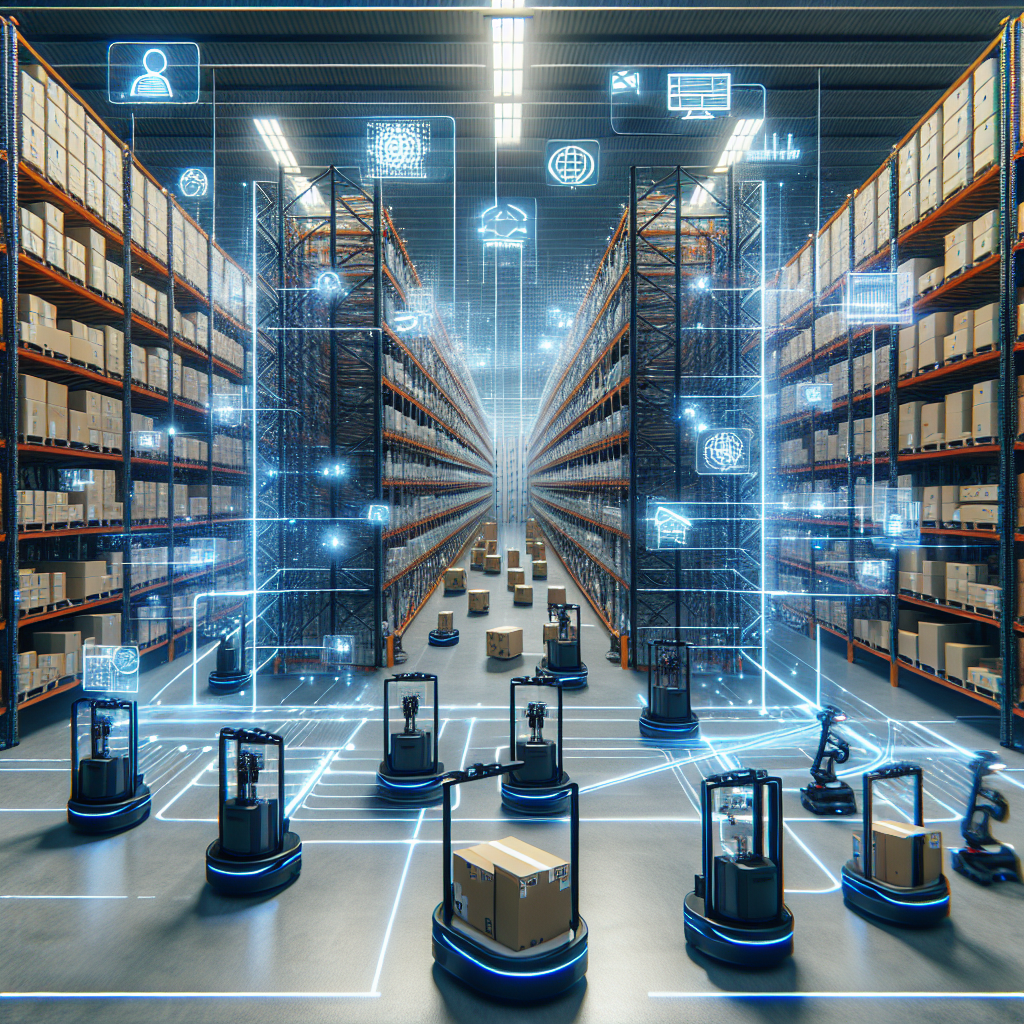
Supply chain resilience is not a one-time project — it is a continuous organizational capability built through deliberate investment in visibility, redundancy, and agility. Leading companies use digital tools such as supply chain control towers, AI-driven demand forecasting, and real-time supplier monitoring to detect early warning signals of disruption weeks or months before they materialize.
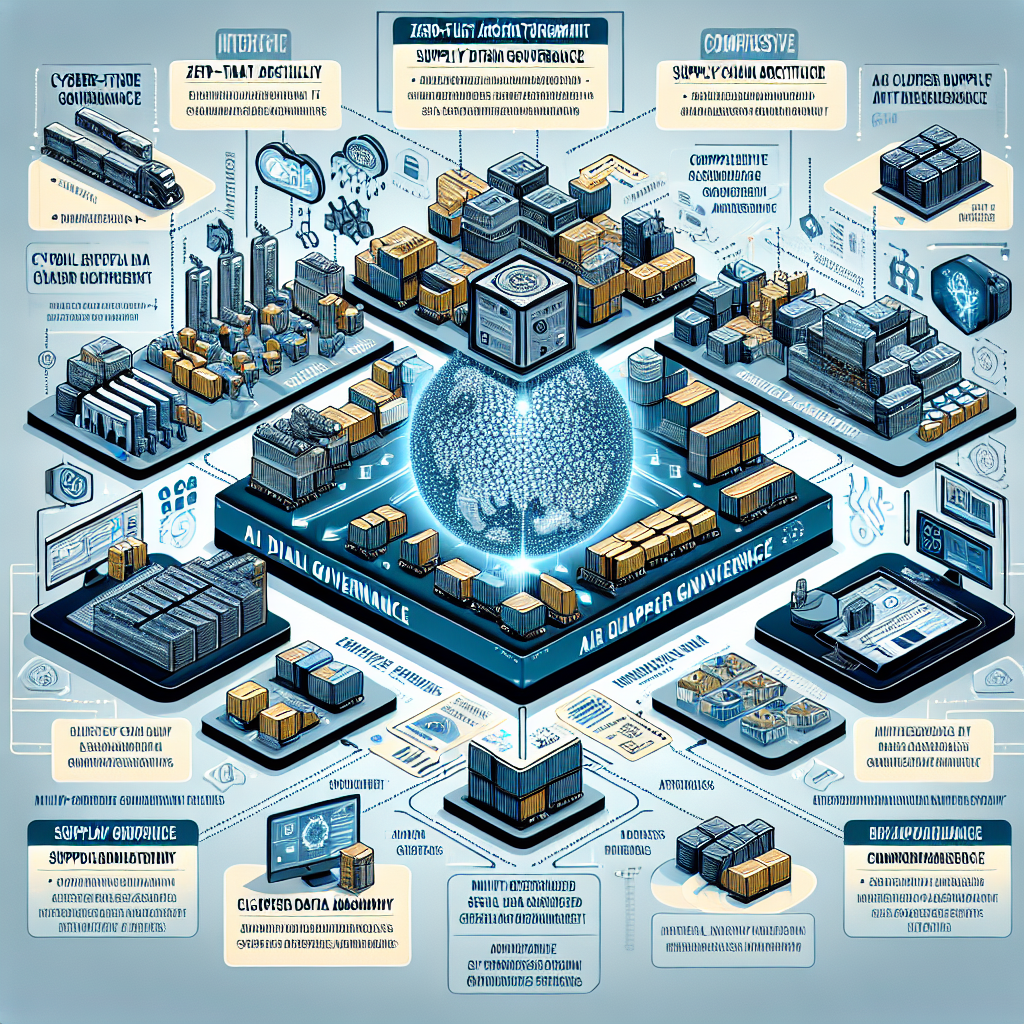
The Gartner Supply Chain Resilience framework recommends that organizations build resilience across four dimensions: robustness (absorbing shocks), agility (responding quickly), adaptability (evolving strategies), and alignment (coordinating with partners). Companies scoring high across all four dimensions consistently outperform their peers during supply chain shocks.
Effective supply chain risk management also requires cross-functional engagement — procurement, operations, finance, and executive leadership must collaborate on risk prioritization, scenario planning, and capital allocation for resilience investments. Organizations that treat supply chain risk as a board-level concern, rather than a procurement-only issue, respond faster and recover more completely from disruptions.