





AI-powered demand forecasting is no longer a competitive advantage reserved for Fortune 500 companies — it’s rapidly becoming the operational baseline for businesses that want to survive in today’s volatile supply chain environment. By combining machine learning with continuous S&OP planning, organizations are gaining real-time visibility into demand signals, inventory levels, and supplier performance like never before.
What Is AI-Powered Demand Forecasting?
Traditional demand forecasting relied on historical sales data and manual spreadsheet models, often producing forecasts that were outdated before they were even acted upon. According to Gartner, AI-driven forecasting models can improve forecast accuracy by up to 50% compared to conventional methods, significantly reducing excess inventory and stockouts.
AI-powered demand forecasting uses algorithms such as neural networks, gradient boosting, and natural language processing to ingest structured and unstructured data — from point-of-sale transactions to social media sentiment — creating dynamic, self-correcting demand models.
Key Points
- AI forecasting improves accuracy by up to 50% over traditional methods.
- Models ingest diverse data sources including POS data, weather, and market trends.
- Self-correcting algorithms continuously learn and adapt in real time.
Continuous S&OP Planning: Moving Beyond the Monthly Cycle
Traditional Sales and Operations Planning (S&OP) operated on monthly review cycles, creating significant lag between market changes and business response. Continuous S&OP planning replaces these static cycles with always-on, data-driven collaboration between sales, operations, finance, and supply chain teams.
A notable example is Unilever, which adopted a continuous S&OP model powered by AI and reported a 20% reduction in planning cycle time while improving service levels across its global supply network. Continuous planning enables teams to respond to demand disruptions within hours rather than weeks, which is critical in industries with short product lifecycles.
Key Points
- Continuous S&OP planning eliminates the lag caused by monthly review cycles.
- Cross-functional teams collaborate in real time using shared AI-driven dashboards.
- Companies like Unilever have reduced planning cycle times by 20% using this model.
How Supply Chain Analytics Drives Lead Time Reduction
One of the most measurable outcomes of integrating AI-powered demand forecasting with supply chain analytics is lead time reduction. By predicting demand spikes earlier and automating replenishment triggers, companies can shorten procurement and fulfillment cycles substantially.
McKinsey research found that companies using advanced supply chain analytics achieved lead time reductions of 25–40%, along with a 10–20% decrease in supply chain costs. These improvements result directly from better demand signal visibility, smarter supplier collaboration, and automated exception management — all enabled by AI-powered platforms.
For procurement professionals, lead time reduction translates into leaner safety stock requirements, improved cash flow, and a stronger ability to fulfill customer commitments. Explore how modern tools support these outcomes on BestInSupplies.com.
Key Points
- AI-driven supply chain analytics can reduce lead times by 25–40%.
- Automated replenishment triggers eliminate manual delays in procurement cycles.
- Leaner inventory positions improve cash flow and customer service levels simultaneously.
Integrating Demand Forecasting Into Your S&OP Technology Stack
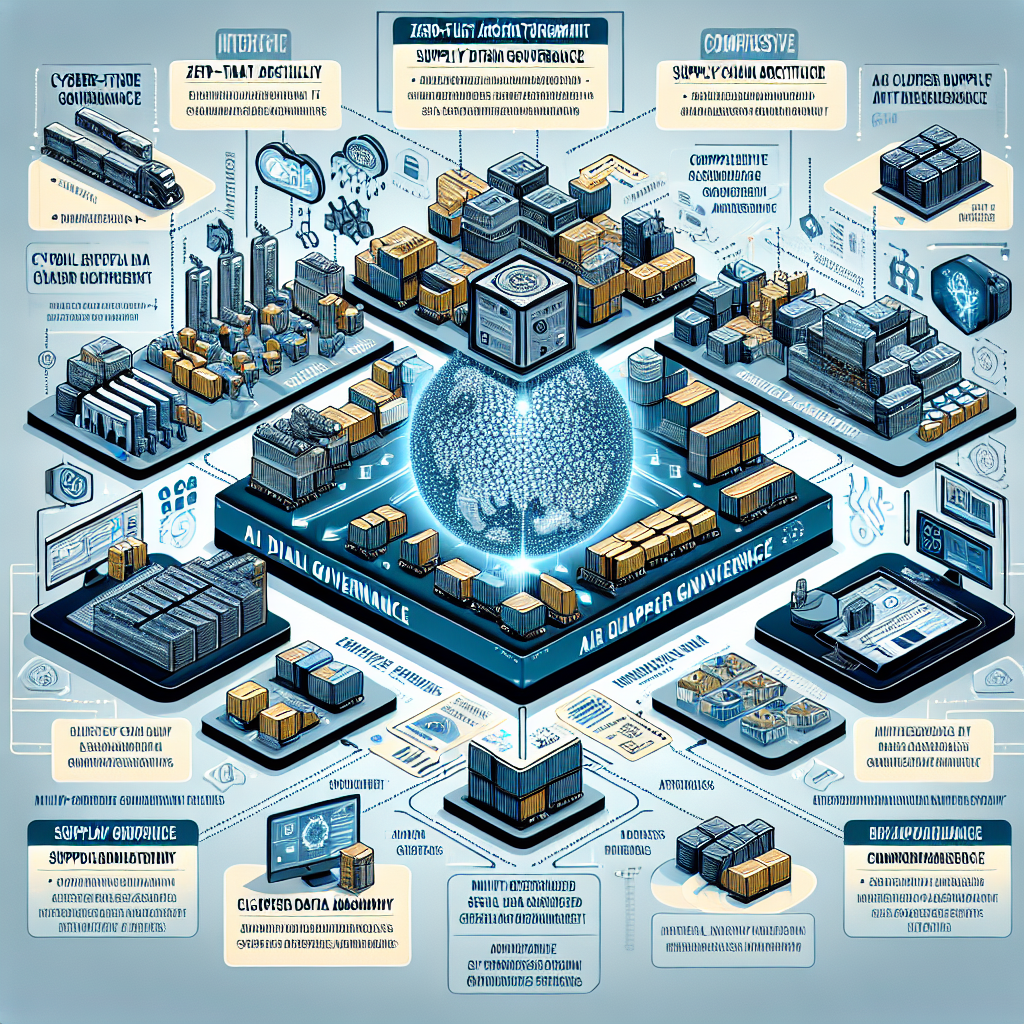
Successfully implementing AI-powered demand forecasting within a continuous S&OP framework requires the right technology stack, including ERP integration, cloud-based planning platforms, and real-time data pipelines. Leading solutions such as o9 Solutions and Blue Yonder offer end-to-end platforms that unify demand sensing, supply planning, and financial modeling in a single environment.
Organizations should also prioritize data governance and change management, as the accuracy of AI models depends heavily on clean, consistent master data and the organizational willingness to act on algorithmic recommendations rather than intuition.
Key Points
- ERP integration and cloud platforms are essential infrastructure for AI-driven planning.
- Data governance ensures AI models produce reliable, actionable outputs.
- Change management is critical to driving adoption of algorithmic decision-making.
Key Takeaways
- AI-powered demand forecasting improves forecast accuracy by up to 50%, reducing stockouts and excess inventory.
- Continuous S&OP planning replaces slow monthly cycles with real-time, cross-functional decision-making.
- Integrated supply chain analytics enables lead time reductions of 25–40%, directly impacting cost and service levels.
- Selecting the right technology platform and investing in data governance are prerequisites for success.
- Companies that adopt these capabilities gain a sustainable competitive advantage in an increasingly volatile market.
Ready to explore tools and resources that support smarter procurement and supply chain planning? Visit BestInSupplies.com for the latest insights on demand forecasting, continuous S&OP planning, and supply chain analytics solutions tailored for procurement professionals.