









Global supply chains have never faced more pressure than they do today. From pandemic-era backlogs to geopolitical disruptions and extreme weather events, businesses across every industry are being forced to rethink how they manage inventory, warehousing, and fulfillment. The good news is that a combination of smart technology and proven logistics strategies can help companies not just survive these disruptions — but build lasting resilience.
The Reality of Shipping Disruption in Today's Supply Chain
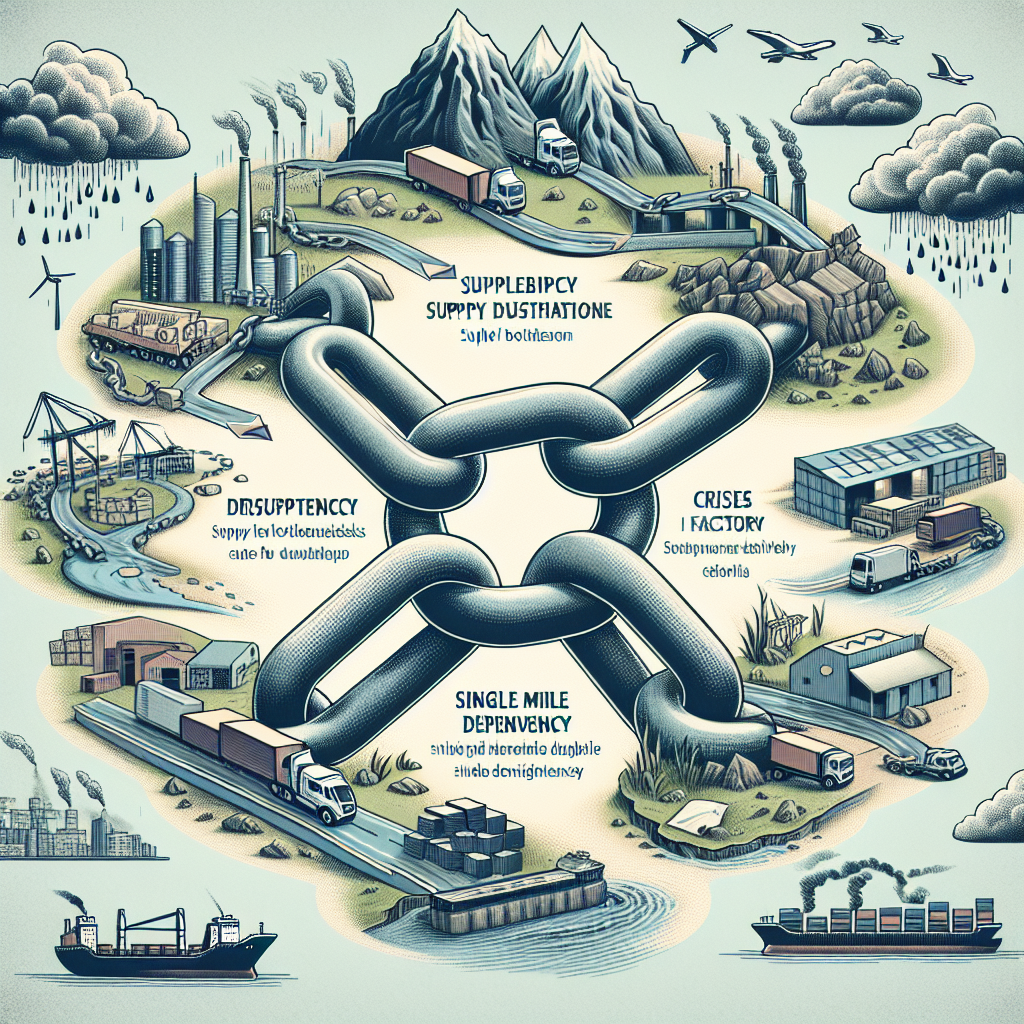
A shipping disruption can ripple across an entire supply chain within days, turning minor delays into costly backorders and lost customers. According to the World Bank, improving logistics performance can reduce supply chain costs by up to 15%, highlighting just how financially significant disruptions can be. The 2021 Suez Canal blockage alone held up an estimated $9.6 billion in trade per day, demonstrating that even a single event can have global consequences.
A logistics disruption doesn’t have to be catastrophic to cause serious damage. Delayed shipments, carrier capacity shortages, and port congestion are everyday realities that erode margins and damage customer trust. Businesses that treat disruption as the exception rather than the norm are the most vulnerable.
Key Points
● Shipping disruptions can cost billions in lost trade within days
● Logistics disruptions are increasingly frequent, not exceptional
● Proactive planning is essential to minimize financial and reputational impact
Warehouse Management as the Foundation of Resilience
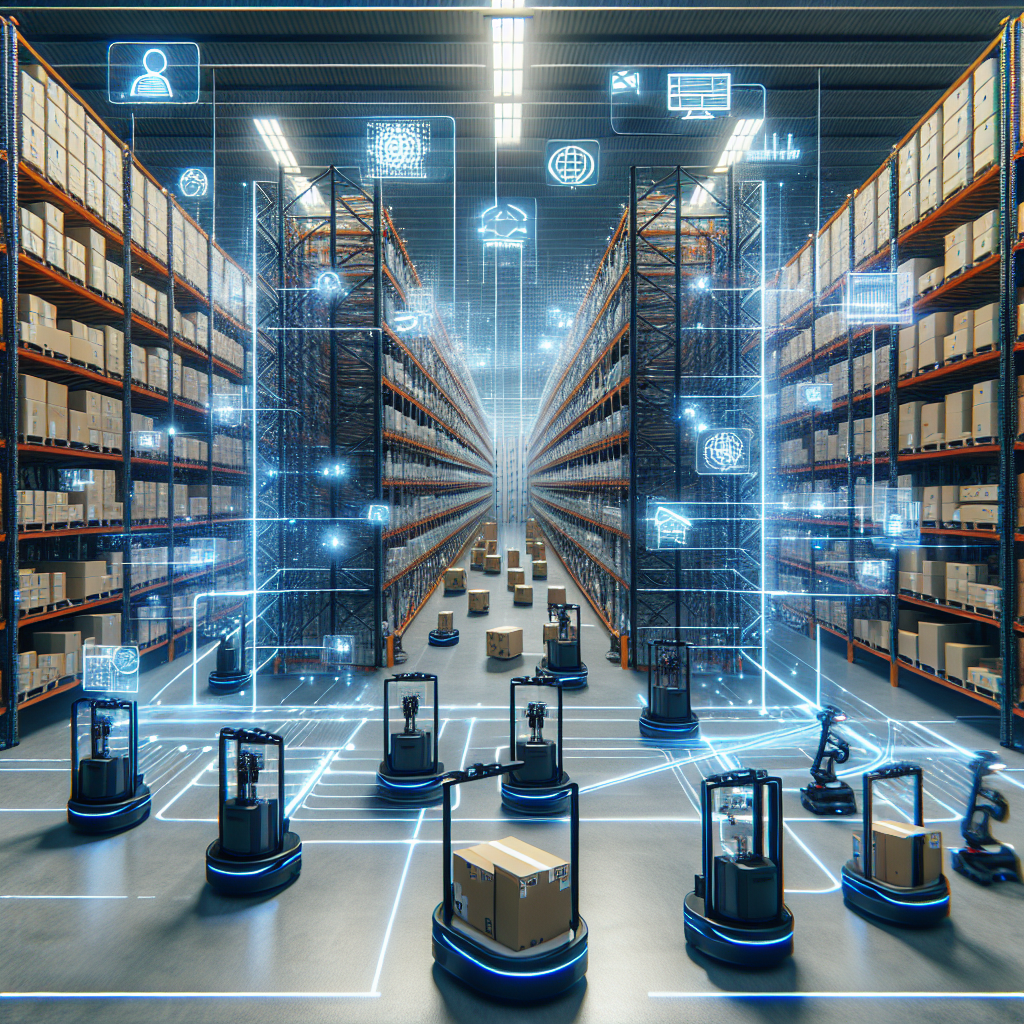
Effective warehouse management is the backbone of any disruption-resistant supply chain. Modern warehouse management systems (WMS) provide real-time visibility into stock levels, order status, and fulfillment capacity — enabling faster, more accurate decision-making when disruptions strike. Companies like Amazon have invested heavily in automated warehouse technology precisely because speed and accuracy at the warehouse level directly determine customer satisfaction.
A well-structured warehouse operation also supports faster redeployment of inventory across distribution networks. When one shipping route is disrupted, businesses with agile warehouse management protocols can reroute goods through alternative fulfillment centers with minimal delay. This operational flexibility is increasingly a competitive differentiator, not just an operational nicety.
Key Points
● A modern WMS enables real-time visibility and faster decision-making
● Agile warehouse operations support inventory rerouting during disruptions
● Warehouse efficiency directly impacts customer satisfaction and retention
Smarter Inventory Management Software and Safety Stock Strategy
Deploying the right inventory management software allows businesses to move beyond reactive firefighting and into predictive planning. Platforms like NetSuite, Fishbowl, and SAP integrate demand forecasting, supplier lead times, and reorder triggers to ensure stock levels remain optimal even when supply chains fluctuate. For a deeper look at top-rated tools, visit BestInSupplies.com for expert reviews and comparisons.
A well-calibrated safety stock strategy is equally critical. Safety stock acts as a buffer against unexpected demand spikes or supply delays, calculated using variables like average demand, lead time variability, and desired service levels. Businesses that regularly review and adjust their safety stock thresholds using inventory management software are far better positioned to absorb shocks without turning to costly emergency procurement.
Key Points
● Inventory management software enables predictive, data-driven stock planning
● A dynamic safety stock strategy absorbs demand and supply volatility
● Regular threshold reviews prevent costly emergency sourcing situations
Understanding Just-in-Time Inventory Risks
The appeal of just-in-time (JIT) inventory is well-established — lower holding costs, reduced waste, and leaner operations. However, the just-in-time inventory risks exposed during COVID-19 forced a major reassessment across industries. Toyota, the originator of JIT, was itself forced to halt production lines due to semiconductor shortages that its lean model had no buffer to absorb.
Recognizing just-in-time inventory risks doesn’t mean abandoning the approach entirely. Instead, many supply chain leaders are adopting a hybrid model — maintaining JIT principles for high-velocity, predictable items while building strategic reserves for critical or single-source components. This balanced approach reduces exposure without sacrificing the efficiency benefits JIT delivers. Learn more about hybrid inventory strategies at BestInSupplies.com.
Key Points
● JIT inventory leaves supply chains vulnerable to sudden disruptions
● COVID-19 exposed critical weaknesses in lean inventory models globally
● Hybrid inventory models balance efficiency with meaningful risk mitigation
Lead Time Reduction and Real-Time IoT Inventory Tracking
Lead time reduction is one of the highest-impact levers available to supply chain teams under pressure. By working closer with suppliers, nearshoring production, and digitizing procurement workflows, companies can dramatically shrink the time between order placement and goods receipt. According to McKinsey & Company, companies that actively pursue supply chain digitization reduce operational costs by up to 30% while improving service levels.
Real-time IoT inventory tracking takes lead time reduction even further by providing continuous, automated visibility into goods in transit and on-shelf. IoT sensors embedded in pallets, containers, and shelving units transmit live location and condition data, enabling teams to intervene before a delay becomes a disruption. This technology is rapidly becoming a standard expectation among enterprise-level supply chain operations.
Key Points
● Lead time reduction through digitization can cut operational costs by up to 30%
● Real-time IoT inventory tracking provides live visibility across the entire supply chain
● IoT integration enables proactive intervention before disruptions escalate
Last-Mile Delivery Orchestration: The Final Frontier
Last-mile delivery orchestration refers to the intelligent coordination of the final leg of a shipment’s journey — from distribution center to the end customer. This stage accounts for up to 53% of total shipping costs according to Business Insider, making it the single most expensive and operationally complex part of the supply chain. Platforms that enable dynamic route optimization, carrier selection, and real-time tracking are transforming how companies manage this critical stage.
Effective last-mile delivery orchestration also plays a key role in managing customer expectations during disruptions. When a shipping delay is unavoidable, proactive communication driven by last-mile platforms maintains trust and reduces inbound service inquiries. Retailers like Walmart and Target have invested heavily in proprietary last-mile networks precisely to maintain control during volatile periods.
Key Points
● Last-mile delivery accounts for up to 53% of total shipping costs
● Dynamic orchestration platforms enable real-time carrier and route optimization
● Proactive last-mile communication preserves customer trust during disruptions
Key Takeaways
Building supply chain resilience in an era of persistent disruption requires a layered strategy that combines technology, process, and planning. The businesses that thrive are those that invest in the right tools and frameworks before disruption strikes — not after.
● Modern warehouse management systems are foundational to supply chain agility
● Inventory management software and a dynamic safety stock strategy protect against volatility
● Understanding just-in-time inventory risks allows for smarter hybrid inventory models
● Real-time IoT inventory tracking and lead time reduction dramatically improve responsiveness
● Last-mile delivery orchestration is a critical investment for controlling costs and customer experience
Ready to strengthen your supply chain strategy? Explore in-depth guides, product reviews, and expert recommendations on warehouse tools, inventory platforms, and logistics solutions at BestInSupplies.com — your trusted resource for smarter supply chain decisions.