








Supply chain disruption has become one of the most pressing challenges facing businesses of every size and sector. From sudden raw material shortages to unexpected supplier failure, the ripple effects of a single breakdown can halt production, erode margins, and damage hard-won customer relationships. Understanding the root causes of supply chain vulnerability — and taking deliberate steps to address them — is no longer optional; it is a core competency for sustainable business operations.
Understanding Supply Chain Fragility and Why It Matters
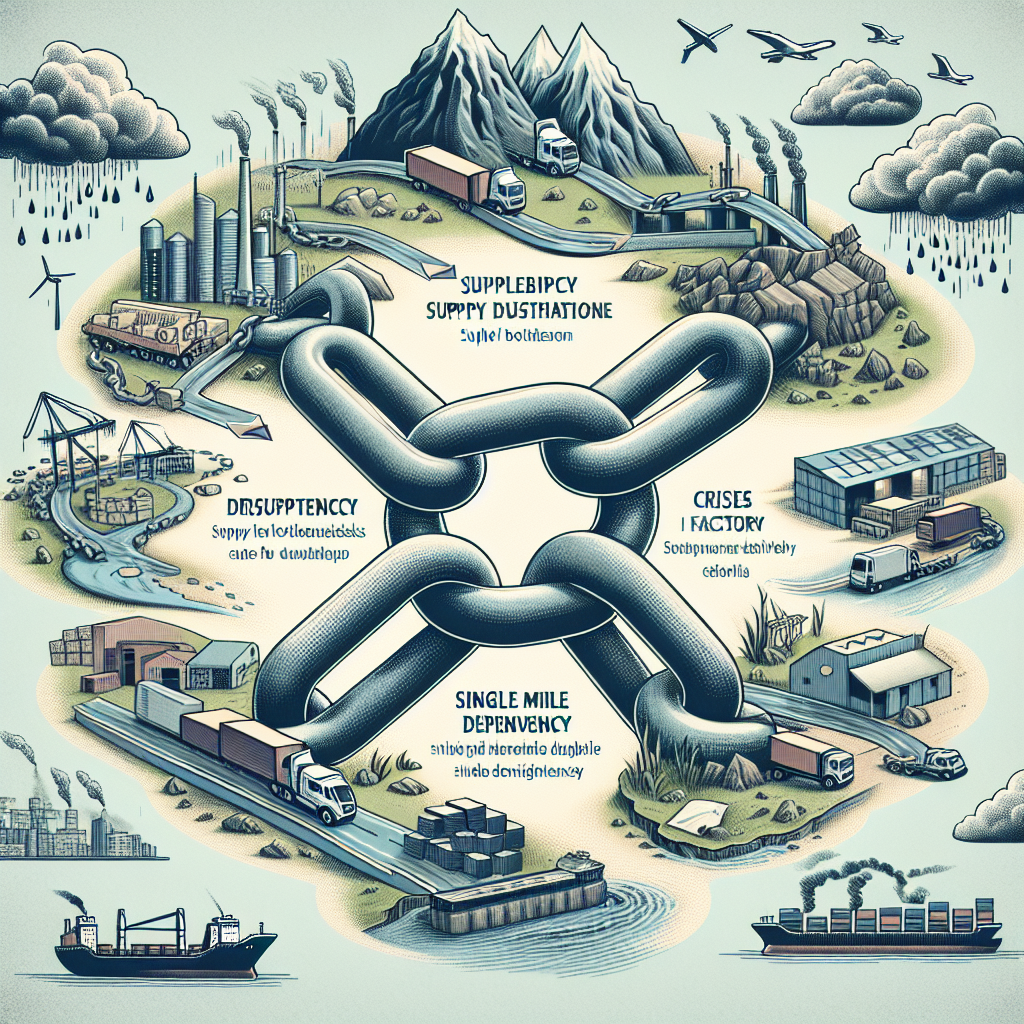
Modern supply chains are marvels of efficiency, but that efficiency often comes at the cost of resilience. Decades of lean manufacturing and just-in-time inventory practices have stripped away the buffers that once absorbed shocks, leaving many organizations dangerously exposed to supply chain fragility.
The COVID-19 pandemic served as the most visible stress test in recent memory. According to the McKinsey Global Institute, companies can expect supply chain disruptions lasting a month or longer to occur every 3.7 years on average, with severe shocks capable of wiping out an entire year’s profit in a single quarter. The automotive industry alone lost an estimated $210 billion in revenue in 2021 due to semiconductor shortages — a stark illustration of how single source dependency can turn a manageable hiccup into a full-blown supply chain crisis.
Recognizing vulnerability is the first step toward building a stronger operation. Businesses that map their supply chains beyond the first tier of suppliers are far better positioned to spot risks before they escalate into costly breakdowns.
● Supply chain fragility is often invisible until a crisis exposes it
● Lean practices improve efficiency but reduce the buffers needed to absorb shocks
● Multi-tier supply chain mapping is essential for identifying hidden dependencies
Common Causes of Supply Chain Disruption
Raw Material Shortages and Supplier Failure
A raw material shortage can originate from geopolitical conflict, extreme weather events, or sudden spikes in demand that outpace production capacity. When a key input becomes scarce, the entire downstream production schedule is put at risk.
Supplier failure compounds this problem significantly. When a sole provider goes out of business, faces a cyberattack, or simply cannot scale to meet demand, buyers with no qualified alternatives are forced to scramble — often accepting inferior quality or paying premium prices under duress. A 2023 report by Gartner found that 89% of companies experienced a supplier risk event in the prior five years, yet fewer than half had formal contingency plans in place.
● Raw material shortages can cascade quickly through downstream production
● Single source dependency dramatically amplifies the impact of supplier failure
● Fewer than half of businesses maintain formal contingency plans for supplier risk
Logistics Disruption, Port Congestion, and Freight Delays
Logistics disruption takes many forms — from port congestion and freight delays to transportation bottlenecks caused by driver shortages or infrastructure failures. The 2021 backlog at the Port of Los Angeles, where over 100 container ships sat anchored at sea for weeks, illustrated how a single chokepoint can ripple across an entire national economy.
Cold chain disruption and last mile delivery problems add further complexity, particularly for businesses in food, pharmaceuticals, and perishable goods. Temperature excursions during transit or failed final-mile handoffs don’t just result in financial loss — they can trigger regulatory consequences and public health concerns. Investing in real-time shipment tracking and diversified carrier networks is a proven way to reduce exposure to these risks. Explore our guide on logistics solutions at BestInSupplies to learn more.
● Port congestion and freight delays can paralyze supply chains with little warning
● Cold chain disruption carries both financial and regulatory consequences
● Diversified carrier networks and real-time tracking reduce last-mile vulnerability
Building Supply Chain Resilience Through Risk Management
Supply Chain Risk Management Strategies That Work
Effective supply chain risk management begins with a comprehensive risk assessment that identifies every potential point of failure, from tier-one suppliers down to raw material extractors. Organizations that treat risk management as an ongoing process — rather than a one-time audit — consistently outperform their peers during periods of disruption.
Diversification is the cornerstone of supply chain resilience. This means qualifying multiple suppliers across different geographies, holding strategic safety stock for critical components, and developing relationships with logistics partners that offer flexibility and surge capacity. According to Harvard Business Review, companies that invested in supply chain resilience before 2020 recovered from pandemic-related disruptions up to 2.5 times faster than those that had not.
● Continuous risk assessment outperforms periodic audits in detecting emerging threats
● Geographic diversification of suppliers reduces the impact of regional supply chain shocks
● Pre-disruption resilience investment correlates strongly with faster recovery
Addressing Supply Chain Bottlenecks with Technology
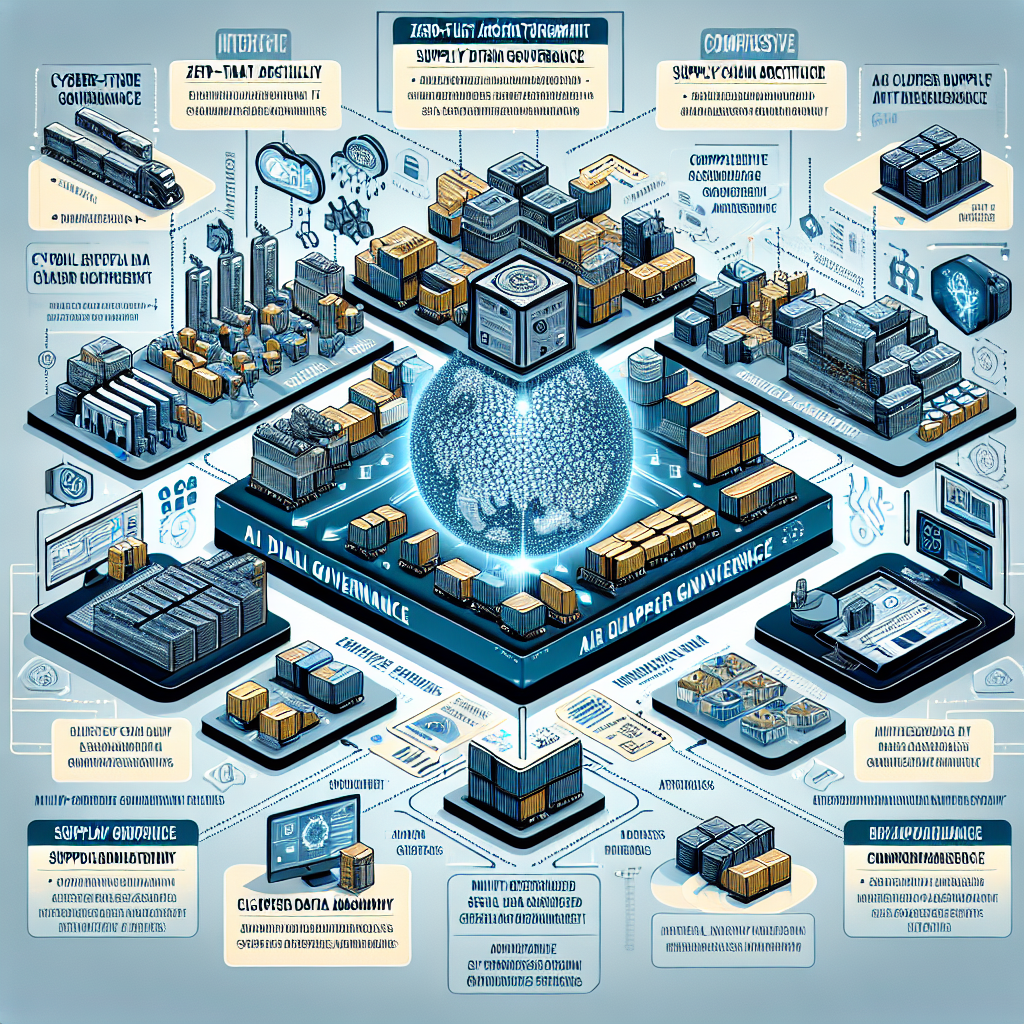
Technology plays a pivotal role in identifying and resolving supply chain bottlenecks before they escalate. AI-driven demand forecasting, digital twin modeling, and blockchain-based provenance tracking give procurement and operations teams unprecedented visibility into where vulnerabilities lie.
Platforms that provide end-to-end supply chain visibility allow companies to detect early warning signals — such as a supplier’s declining on-time delivery rate or rising raw material lead times — and respond proactively rather than reactively. Visit our supply chain tools resource page at BestInSupplies for curated solutions that help businesses gain this kind of visibility.
● AI forecasting and digital twins improve early detection of supply chain bottlenecks
● End-to-end visibility platforms enable proactive rather than reactive risk response
● Blockchain tracking improves transparency and accountability across supplier tiers
Reducing Supply Shortage Risk with Strategic Sourcing
Strategic sourcing is one of the most powerful levers available to procurement teams seeking to reduce supply shortage risk. By evaluating suppliers not just on price but on financial stability, geographic risk, capacity reserves, and business continuity planning, organizations can build a supplier base that performs under pressure.
Nearshoring and reshoring strategies have gained significant traction as businesses reassess the true total cost of extended, complex supply chains. While offshore sourcing often delivers lower unit costs, the hidden costs of logistics disruption, long lead times, and reduced responsiveness can far outweigh the savings when disruption strikes. A balanced sourcing portfolio — combining local, regional, and global suppliers — offers the best of both worlds.
● Supplier evaluation should encompass financial health and continuity planning, not just price
● Nearshoring reduces exposure to international logistics disruption and long lead times
● A blended local-regional-global sourcing mix optimizes both cost and resilience
Key Takeaways
Building a resilient supply chain is not a one-time project — it is a continuous discipline that requires investment, visibility, and organizational commitment. The businesses that thrive through disruption are those that have anticipated risk, diversified their dependencies, and equipped themselves with the tools and partnerships needed to respond quickly.
● Supply chain fragility is a systemic risk that must be proactively managed, not reactively managed
● Single source dependency and lean inventory practices amplify the impact of any supply chain shock
● Technology-driven visibility is essential for detecting supply chain bottlenecks and responding in time
● Strategic sourcing and geographic diversification are the foundations of supply chain resilience
● Investing in supply chain risk management before a crisis pays dividends that far exceed the cost
For more expert guidance on sourcing strategies, supplier evaluation, and logistics solutions, explore the full resource library at BestInSupplies.com — your trusted partner in building stronger, more resilient supply chains.