





AI-Powered Demand Forecasting: How Continuous S&OP Planning Is Transforming Supply Chain Analytics
The supply chain landscape is undergoing a fundamental shift. As market volatility increases and customer expectations rise, businesses can no longer rely on static, spreadsheet-driven planning cycles. AI-powered demand forecasting combined with continuous S&OP planning is emerging as the definitive solution for companies looking to stay competitive, reduce waste, and deliver on time — every time.
What Is AI-Powered Demand Forecasting?
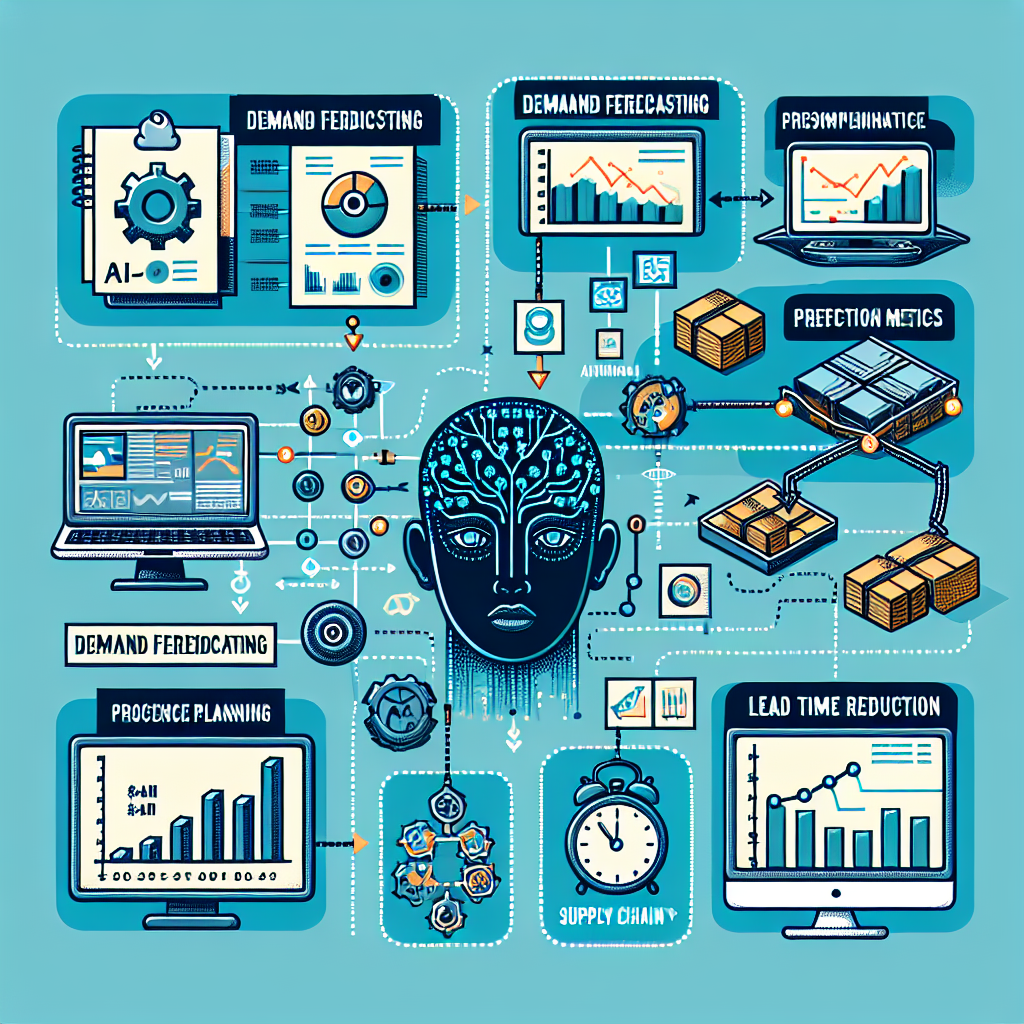
AI-powered demand forecasting uses machine learning algorithms, real-time data feeds, and predictive analytics to anticipate customer demand with far greater accuracy than traditional methods. Unlike conventional statistical models, AI systems continuously learn from new data — including sales history, market trends, weather patterns, and macroeconomic signals — to refine their predictions dynamically.
According to a McKinsey report, companies that deploy AI in their supply chains have seen forecasting errors reduced by up to 50%, translating directly into lower inventory carrying costs and fewer stockouts. For businesses managing thousands of SKUs across global networks, this level of precision is transformative.
Key Technologies Driving AI Forecasting
Modern demand forecasting platforms leverage neural networks, natural language processing, and ensemble modeling to process structured and unstructured data simultaneously. Tools from providers like o9 Solutions and Blue Yonder integrate seamlessly with ERP systems to deliver forecasts in near real time. These integrations make AI-powered forecasting accessible even for mid-sized organizations without large data science teams.
Key Points:
● AI reduces demand forecasting errors by up to 50%, lowering inventory costs
● Machine learning models continuously update using real-time data inputs
● Modern platforms integrate with existing ERP systems for seamless deployment
Continuous S&OP Planning: Moving Beyond the Monthly Cycle
Traditional Sales and Operations Planning (S&OP) operated on rigid monthly review cycles, creating blind spots between planning sessions. Continuous S&OP planning replaces this model with an always-on process where demand signals, supply constraints, and financial targets are reconciled in real time. This shift enables companies to respond to disruptions in days rather than weeks.
A leading consumer goods manufacturer, Unilever, publicly reported that transitioning to a continuous planning model allowed their supply chain teams to reduce response time to demand shifts by over 30%. By synchronizing commercial, operational, and financial planning on a single digital platform, they eliminated costly lag time that historically caused overproduction and write-offs. This example illustrates how continuous S&OP planning delivers measurable bottom-line impact at scale.
How Continuous Planning Integrates with Supply Chain Analytics
The power of continuous S&OP planning is amplified when it is connected to robust supply chain analytics. Analytics dashboards provide planners with real-time visibility into inventory levels, supplier performance, and demand fluctuations — all in one place. This convergence allows decision-makers to act on insights rather than assumptions, fundamentally improving the quality and speed of planning decisions.
Key Points:
● Continuous S&OP replaces static monthly cycles with real-time planning responsiveness
● Companies like Unilever have cut demand response times by over 30%
● Supply chain analytics dashboards unify data for faster, more informed decisions
Lead Time Reduction Through Smarter Forecasting and Planning
One of the most significant operational benefits of AI-powered demand forecasting is lead time reduction. By accurately predicting demand weeks or months in advance, procurement teams can place orders earlier, negotiate better terms, and avoid costly expedited shipping. This proactive approach fundamentally changes the buyer-supplier dynamic, shifting it from reactive firefighting to strategic collaboration.
According to Gartner, companies with advanced demand sensing capabilities achieve lead time reductions of 15–25% compared to peers using conventional planning tools. For industries with long sourcing lead times — such as electronics or specialty chemicals — these reductions can mean the difference between capturing market opportunities and losing sales to faster competitors. Explore more insights on BestInSupplies.com to understand how leading organizations are applying these strategies.
Connecting Lead Time Reduction to Customer Satisfaction
Faster internal planning cycles and shorter lead times translate directly into improved on-time delivery rates and stronger customer relationships. When supply chain teams can confidently promise and deliver accurate ship dates, customer trust grows — and so does repeat business. Lead time reduction is therefore not just an operational metric; it is a customer experience differentiator.
Key Points:
● AI forecasting enables proactive procurement, reducing lead times by 15–25%
● Shorter lead times improve on-time delivery performance and customer satisfaction
● Industries with long sourcing cycles gain a significant competitive advantage
Key Takeaways
The convergence of AI-powered demand forecasting, continuous S&OP planning, and advanced supply chain analytics is redefining what is possible in modern supply chain management. Organizations that adopt these technologies gain speed, accuracy, and resilience that legacy tools simply cannot match.
● AI-powered demand forecasting reduces errors by up to 50% and lowers inventory costs
● Continuous S&OP planning replaces rigid monthly cycles with real-time responsiveness
● Supply chain analytics unify data visibility across procurement, inventory, and fulfillment
● Lead time reduction of 15–25% is achievable with advanced demand sensing capabilities
● Together, these tools deliver measurable improvements in both operational efficiency and customer satisfaction
Want to dive deeper into supply chain best practices, procurement strategies, and the latest tools transforming the industry? Visit BestInSupplies.com for expert guides, product comparisons, and actionable insights designed to help you build a smarter, more resilient supply chain.